







Introduction:Indonesian Sumatra Mandheling is renowned for its bold, rich, low-acid, and full-bodied flavor profile, a characteristic largely attributed to the region’s unique wet-hulling processing method. This article delves into the origins and impact of this processing technique, while also conducting a hands-on evaluation of four classic Mandheling beans — including Golden Mandheling, Lintong Mandheling, Tiger Mandheling, and Aged Mandheling. From regional background and variety characteristics to flavor profiles and pour over recommendations, this guide will help you fully grasp the essence of Sumatran Mandheling.
In the world of specialty coffee, Indonesia’s Sumatra Mandheling has always held an irreplaceable position. This coffee, grown in the equatorial rainforests, is beloved by many coffee enthusiasts as their first choice for exploring Asian beans, thanks to its bold, low-acid, full-bodied character with earthy and spicy undertones. But did you know that “Mandheling” is neither a region nor a coffee variety, but rather the result of a historic misunderstanding?
In fact, the term “Mandheling” originates from the Mandailing people of Indonesia, resulting from a misheard transliteration. During the time when Japanese soldiers were stationed in Indonesia, they tasted high-quality local coffee and mistakenly believed the beans were called “Mandheling.” Since then, the name has spread widely. These beans are mainly produced in the Lake Toba and Aceh regions of northern Sumatra, particularly in the Lintong and Gayo highlands.
Sumatra’s unique geographical location, combined with high-altitude volcanic soil, provides ideal growing conditions for coffee. The island primarily cultivates Arabica varieties, but due to the humid climate and rugged terrain, its coffee processing methods differ significantly from those of other regions. One of the most representative techniques is Indonesia’s distinctive wet-hulling method (known locally as Giling Basah).
The wet-hulling process was born out of the high-humidity environment in Indonesia. Typically, in washed processing, the parchment is removed only when the beans’ moisture content drops to 10–12%. However, under Indonesia’s conditions — where average annual humidity exceeds 70%, and some areas receive up to 2000 mm of annual rainfall — such processing poses significant risks. Wet-hulling, on the other hand, involves removing the outer parchment layer while the beans still have a relatively high moisture content (around 20–24%), drastically reducing drying time. This also makes the beans more prone to being compressed, resulting in the so-called “elephant ear” bean shape.
Although this special processing method doesn’t yield the most aesthetically pleasing beans, it unexpectedly creates the signature Mandheling profile: low acidity, thick body, bold flavors, and distinctive notes of herbs, spices, and chocolate. Especially notable is the earthy, forest-like undertone, a trait that is hard to replicate in coffees from other regions.
To explore the diversity of Sumatran Mandheling in depth, this tasting session focuses on four classic wet-hulled Mandheling beans:PWN Golden Mandheling,Lintong Mandheling,Tiger Mandheling, andAged Mandheling. Each showcases the diverse expressions of wet-hulling across different altitudes, varieties, and processing details.
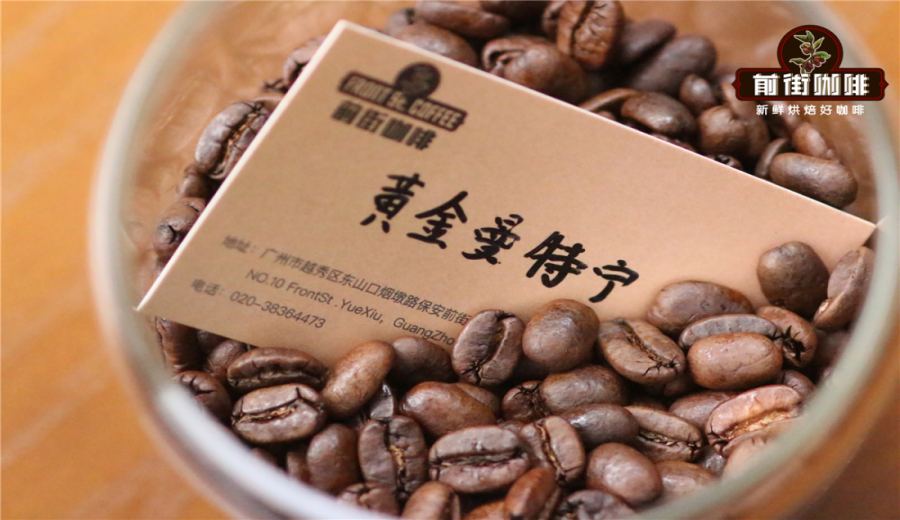
PWN Golden Mandhelingoriginates from the Gayo Highlands of Aceh, Sumatra, at elevations between 1100–1600 meters, and is cultivated from the Ateng variety. This bean is famous for its rigorous manual sorting process — each bean is carefully selected multiple times to ensure it is free of defects. Its flavor profile is clear and defined, featuring notes of toasted bread, nuts, pine, and caramel, with a soft herbal finish. It is often regarded as the “standard Mandheling” by many coffee connoisseurs.
Lintong Mandhelingcomes from the Lintong region in North Sumatra, near Lake Toba, also at an altitude of 1100–1600 meters, and includes both Typica and Catimor varieties. This bean is an excellent choice for beginners. The wet-hulling process gives it low acidity and a full body, with flavor notes of roasted bread, nuts, caramel, and herbs. Its overall profile is mild and easy to enjoy.
Tiger Mandhelingis a high-elevation (1500m) selection bean, with a defect rate below 4% and bean size of at least seventeen mesh. Varieties include Catimor, Typica, and Sidikalang. It offers a balanced taste, with a smooth mouthfeel and well-integrated notes of milk chocolate, black chocolate, and nuts. It has a clean profile and high clarity, making it suitable for those who enjoy bold yet refined flavors.
Finally, there’s the uniquely flavoredAged Mandheling. This coffee isn’t just “aged longer” — it is stored in a controlled, constant temperature and humidity environment for 2–3 years, allowing the acidity to gradually transform while sweetness and body increase. Its flavor profile leans toward aged pu-erh tea, caramel, herbs, and black chocolate, with extremely low acidity, a dense mouthfeel, and the refined stability reminiscent of aged liquor.
To fairly compare these four beans, the tasting used unifiedpour over parameters: Kono filter (or V60), a 1:15 coffee-to-water ratio, 15 grams of coffee, 88°C water temperature, and a grind size passing 70–75% through a #20 sieve. A staged extraction method was applied: a 30-second bloom with 30 grams of water, followed by pouring to 125 grams and then 225 grams, with total brew time controlled between 2 minutes 00 seconds and 2 minutes 10 seconds.
Actual cupping results showed:Golden Mandhelingfeatured a layered, clean, and full-bodied profile, with prominent notes of nuts and caramel, and a long-lasting finish;Lintong Mandhelinghighlighted herbal and black chocolate notes, with a slight medicinal aroma on the entry and a sweet, lingering aftertaste;Tiger Mandhelingdelivered a balanced flavor, with well-integrated notes of cream, nuts, and black chocolate, and a smooth mouthfeel;Aged Mandhelingshowcased its signature low-acid, full-bodied character, with enticing notes of wood, malt, and caramel, along with a thick yet refined texture.
In summary, the charm of Sumatran Mandheling lies not only in its geography and history, but also in the unique personality bestowed by the wet-hulling process. Whether you’re a beginner or a seasoned coffee enthusiast, you can find your own Mandheling flavor story within these four classic beans.
The above content is compiled by CoffeeHunters, a coffee news website.


