







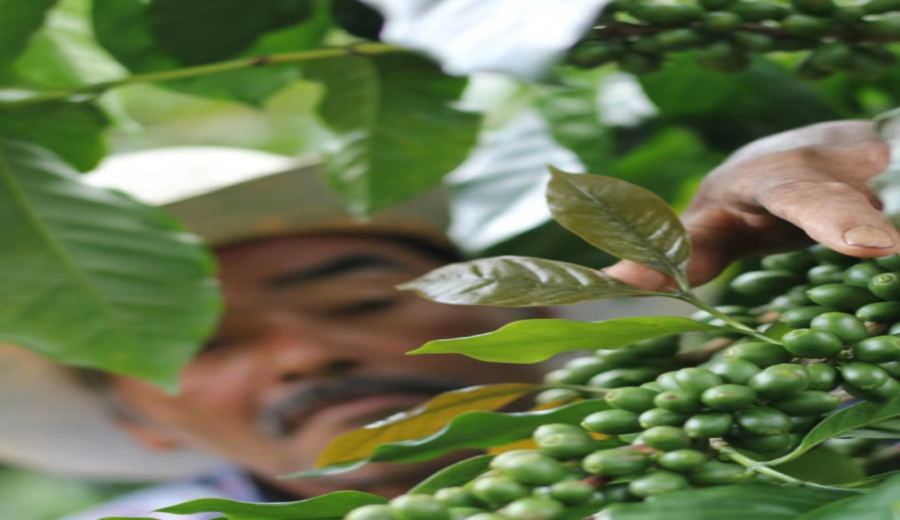
Introduction:This article provides an in-depth analysis of the washed Caturra beans from El Naranjo Estate in the La Paz region of Honduras, covering its regional background, varietal characteristics, washed processing method, and offering detailed roasting profiles, cupping notes, and V60 pour over parameters. It helps coffee enthusiasts fully understand this bright, everyday-drinking specialty bean and learn how to achieve optimal flavor through proper extraction.
Honduras is renowned for producing coffees with high sweetness and distinct citrus notes, and El Naranjo Estate is one such gem worth exploring. Located in Marcala within the La Paz region, the estate is surrounded by wild orange trees that provide shade. These not only create an ideal growing environment for the coffee plants but also impart unique floral and fruity aromas to the coffee. This article will take you through the estate’s geographical location, varietal selection, washed processing methods, roasting settings, cupping flavor profiles, and recommended V60 pour over parameters—offering a comprehensive understanding of this distinctive, everyday-drinking specialty coffee.
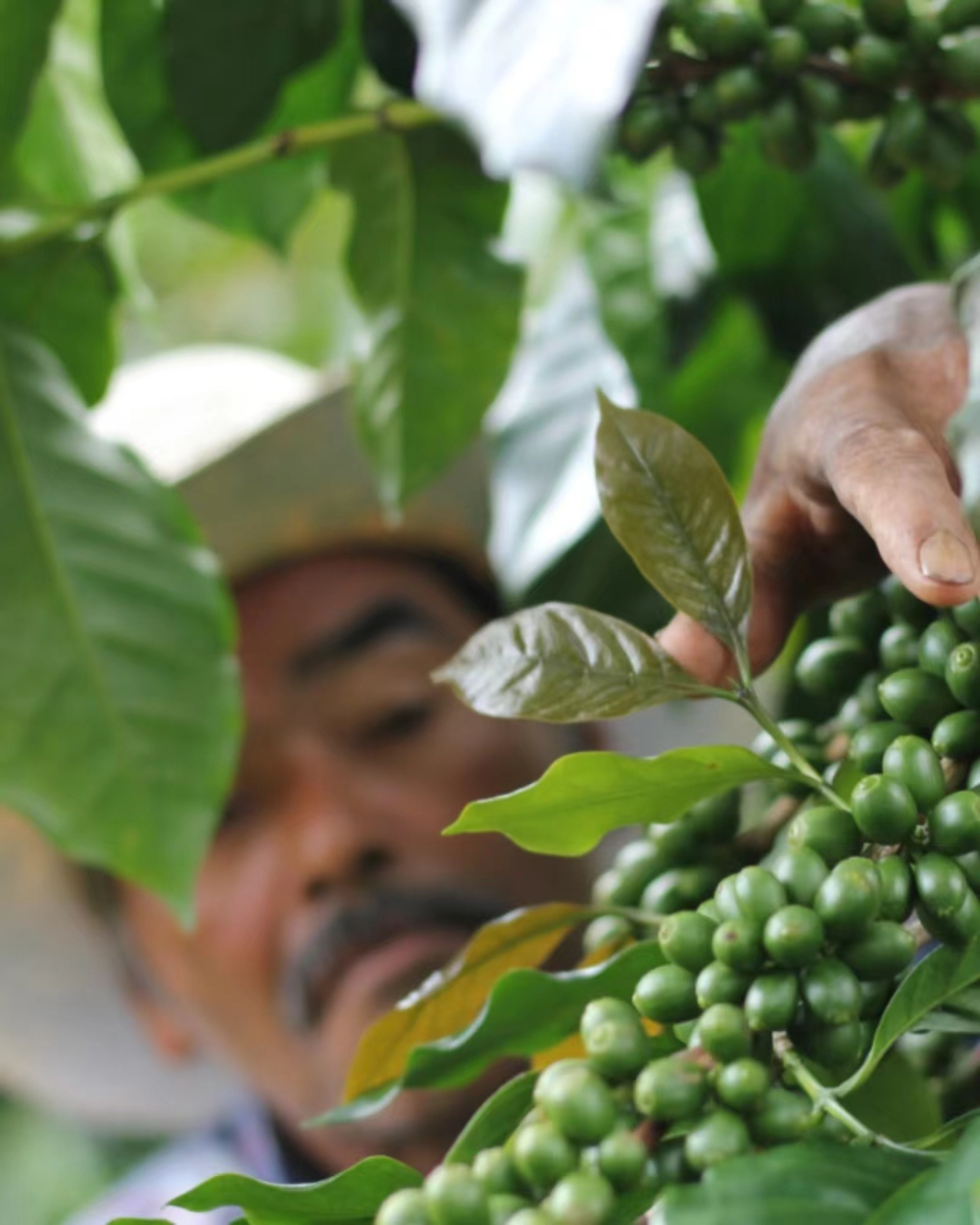
Many people may associate Honduras with sherry-like, whisky-toned coffee processed via anaerobic methods, but El Naranjo Estate takes a completely different approach. This traditional washed Caturra variety exhibits high sweetness and clear citrus acidity in cupping, along with nutty and creamy body, achieving excellent balance. It is one of the representative flavors of classic Honduran coffee.
The Marcala area, where El Naranjo Estate is located, belongs to the La Paz region. Thanks to its high altitude and favorable microclimate, the coffee produced here can rival that of the well-known Santa Bárbara region. The estate is managed by the locally renowned Caballero family, who have also won the 2016 coffee competition with other estates in the La Paz area. Interestingly, many local estates are named after their shade trees, and El Naranjo Estate is named for the abundance of wild orange trees used as natural shade. These trees not only offer cool shade but their rich aroma also subtly influences the coffee cherries, giving the coffee a natural sweet orange note. Currently, the estate mainly cultivates Caturra, Bourbon, and Geisha varieties, covering a total area of 43 hectares at an altitude of about 1650 meters, making it a typical high-altitude specialty coffee growing region.
The Caturra variety used in this El Naranjo Estate coffee is a dwarf coffee plant derived from Catuai and traditional Typica lineages. It has a moderate plant height, making it highly suitable for dense planting, and shows strong resistance to wind and rainfall. Compared to traditional Typica, Caturra not only offers stable yields but also more complex flavors, with bright acidity and clear sweetness. It is a premium variety commonly found in many Central and South American coffee regions.
In terms of processing, El Naranjo Estate employs the traditional washed method, which includes initial screening and impurity removal, pulp removal (pulping), mucilage fermentation for 16 to 36 hours, washing to remove residual pectin, and finally sun or mechanical drying. The washed process effectively highlights the coffee’s cleanliness and bright acidity, resulting in a cleaner, more consistent final flavor. This method is also common among specialty coffees in Central and South America and is highly effective in showcasing the original characteristics of the region and varietal.
In designing the roast profile for these beans, the charge temperature is175°C, reaching the yellowing point at approximately5 minutes and 40 seconds, with a temperature of around 152.2°C. It then enters the Maillard reaction phase, with first crack starting at9 minutes and 06 seconds, at a temperature of 184.1°C, and continuing through the first crack development phase for about 1 minute and 50 seconds before dropping at 195°C. This roast level leans toward a medium-light roast, aiming to preserve more floral and fruity notes and bright acidity, while maintaining moderate sweetness and body.。This roast level leans towards a medium-light roast, aiming to preserve more floral and fruity notes along with a bright acidity, while maintaining a moderate level of sweetness and body.
According to cupping results, this El Naranjo Estate washed Caturra bean exhibits distinctcitrus and nutaromas in the dry fragrance, while the wet aroma presents a blend ofcitrus and black plumscents. Upon tasting, one can clearly perceive layers ofcitrus, black plum, and nuts, delivering a refreshing and dynamic flavor profile. The finish leaves a hint of creamy smoothness, making it highly suitable for coffee lovers who enjoy bright acidity and fruity notes.
If you wish to brew this bean at home using a pour over method, it is recommended to use aV60 dripper, with abrew ratio of 1:15, water temperature controlled at91°C, and a grind size offine sugar level(approximately medium-fine, similar to the texture of fine sugar). The specific brewing steps are as follows: start with a30-second bloom using 30 grams of coffee grounds, then begin circular pouring until reaching125 grams, at which point the water level will have dropped by about half. Continue pouring in a centered circular motion until the total water volume reaches225 grams, with the overall extraction time kept around2 minutes and 10 seconds. These parameters fully highlight the citrus character and layered complexity of El Naranjo Estate, making them ideal for users seeking balanced and clean flavors.
In summary, the Honduras El Naranjo Estate washed Caturra beans, thanks to their high-altitude cultivation, wild orange tree shade, traditional washed processing, and refined roasting, showcase the bright acidity, high sweetness, and fruity characteristics typical of Honduran coffee. They are an excellent choice for everyday drinking, office pick-me-ups, or as an introductory specialty bean. With the right brewing technique, you can fully appreciate the rich and layered flavor profile of this coffee.
The above content is compiled by CoffeeHunters, a coffee news website.


