







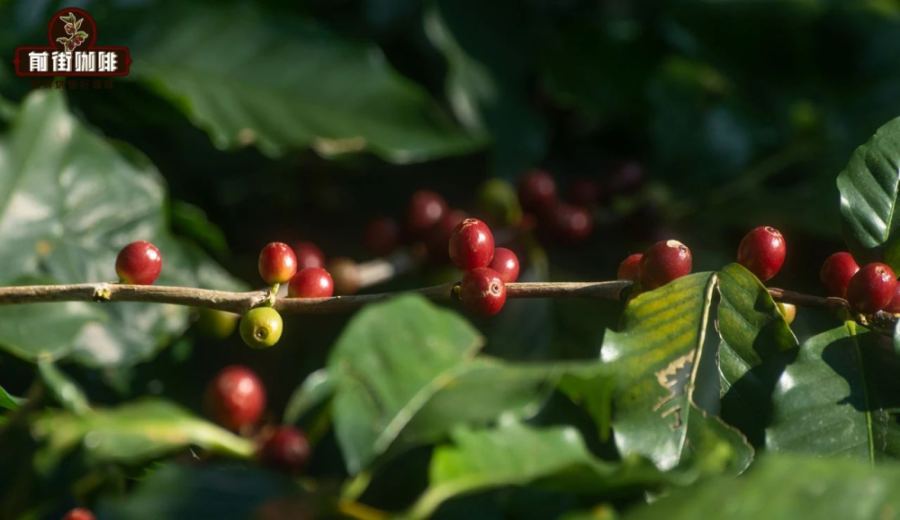
Introduction:As a representative of high-quality Arabica beans grown in China, Yunnan small-bean coffee thrives at high-altitude mountainous regions and is distinguished by its washed processing method, delivering a clean, bright profile with notes of nuts and chocolate. This article delves into its varietal genetics, key steps in the washed process, and provides practical flavor profiles and brewing references—whether for pour over or espresso—to help you fully capture the unique charm of Yunnan coffee.
Yunnan small-bean coffee belongs to the Arabica family and is primarily cultivated in highland areas above 1,200 meters in altitude, such as Pu’er, Xishuangbanna, Baoshan, and Dehong. Compared to the commonly found medium-bean Robusta in Hainan, these small-bean varieties are known for their more delicate flavor layers and lower levels of harsh or astringent sensations, making them a standout representation of locally produced specialty coffee in the Chinese market.
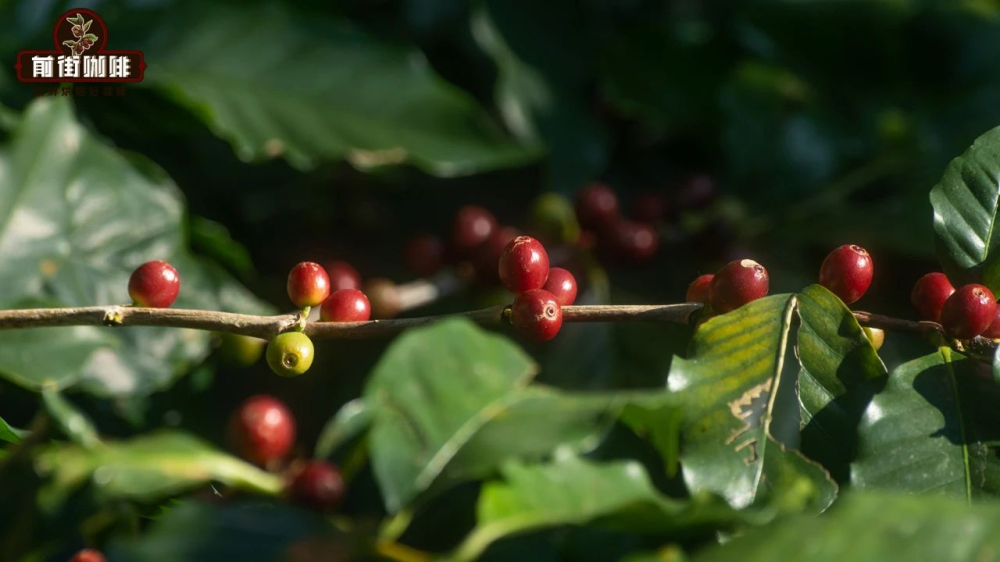
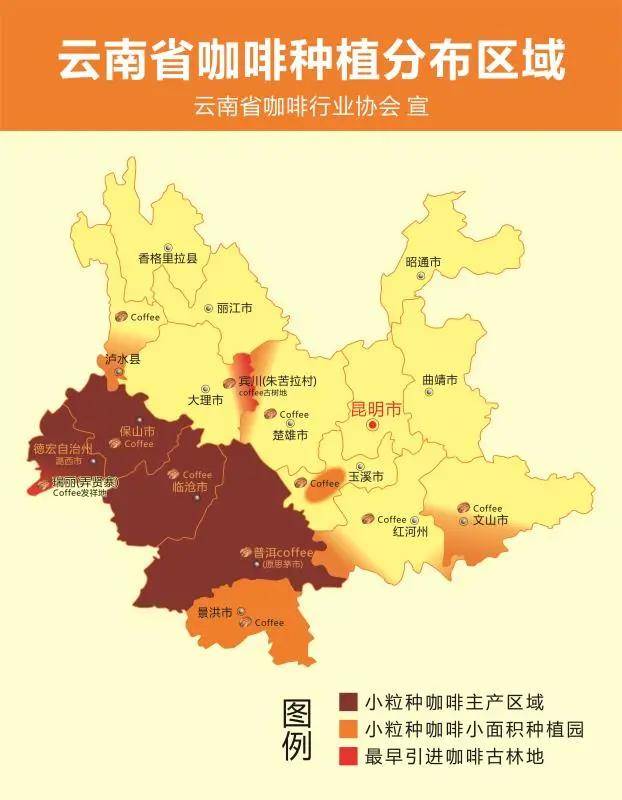
Southwestern Yunnan spans from 15°N to the Tropic of Cancer, with mountainous terrain covering over 70% of the region. The area experiences a significant diurnal temperature variation of 8–10°C, along with a humid environment featuring annual rainfall exceeding 1,500 mm and fertile volcanic soil rich in organic matter—providing ideal growing conditions for coffee trees. Core production regions for this variety include Pu’er, Xishuangbanna, Wenshan, Baoshan, Dehong, and Lincang, among which the areas around Baoshan at approximately 1,200 meters above sea level are especially well-suited for cultivating beans with balanced acidity.
The traditional processing follows the washed method: after harvesting, the coffee cherries are first passed through a floatation machine to remove underripe or defective beans with insufficient density, ensuring that only fully ripe berries proceed to the next steps. Next, the outer skin and pulp are removed using a pulper, leaving the bare seeds to be soaked in water tanks for fermentation. This stage can be either waterless fermentation (relying solely on natural microbial breakdown) or water-added fermentation (using clean water to accelerate the reaction), both aiming to completely break down the sticky mucilage layer surrounding the seeds.
The fermentation duration is adjusted according to ambient temperature, typically lasting 18–36 hours, until the mucilage becomes loose. The beans are then rinsed multiple times with clean water to remove residual substances. Afterward, the processed parchment beans (still covered with their silvery skin) are spread out on drying patios for sun drying. This method significantly shortens the drying time by about 60% compared to traditional mechanical drying, taking roughly 10–14 days to reduce moisture content to a safe range of 11%–13%. Finally, the beans are stored with their parchment intact until just before export, when the hulling process is carried out.
To experience the pure flavors of Yunnan, it is recommended to choose single-origin beans that have undergone washed processing and medium roasting. Their flavor profile begins with a gentle base of Asian-style herbal aromas, followed by a vibrant acidity reminiscent of plum—bright and refreshing. The mid-palate reveals a balanced body of nuts and dark chocolate, while the finish carries a sweet note of honey and cane sugar. Upon full cooling, even subtle undertones of brown sugar can be detected. These characteristics make it not only suitable for pour over but also an excellent foundational bean for espresso blends.
Notably, Yunnan small-bean coffee often carries dry aromas of nuts and berries, along with a tea-like aftertaste—qualities that make it ideal for producing espresso with moderate crema thickness and intensity. For coffee enthusiasts interested in creating their own blends, a classic formula combines Yunnan small-bean with Brazil Cerrado: the former contributes chocolate and citrus notes, while the latter provides a stable nutty foundation and balanced mouthfeel. The resulting cup achieves a well-coordinated balance of acidity, sweetness, and bitterness, and upon cooling, releases smooth textures of almond and cream—making it particularly suitable for beginners practicing milk-based drinks such as lattes.
The above content is compiled by CoffeeHunters, a coffee news website.


