







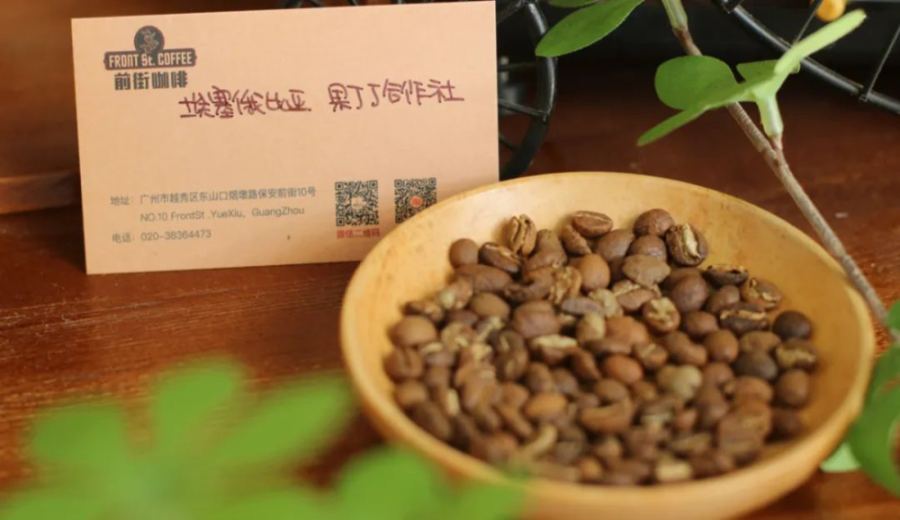
Introduction:Yirgacheffe washed coffee beans are renowned for their bright fruity acidity and floral notes, making them a top choice for many coffee beginners. This article delves into this classic washed Ethiopian bean, analyzing everything from varietal characteristics and the washed processing steps to how medium-light roasting preserves citrus, lemon, and green tea profiles. It also provides practical brewing suggestions for pour over, cold brew, and drip bags to help you better understand these distinctly flavorful beans.
Yirgacheffe is one of the most representative coffee-growing regions in Ethiopia’s coffee map, and its washed beans are widely praised for their clean and bright flavor profiles. This article focuses on a classic washed Yirgacheffe, taking you through the region’s terroir, processing techniques, and roast level selection to fully appreciate how this bean showcases its unique citrus, lemon, white floral, and light green tea-like mouthfeel—while also discussing suitable everyday brewing methods.
The green beans of this washed Yirgacheffe are carefully selected with an extremely low defect rate. After roasting, they emit a delicate sweetness that blends lemon, jasmine, and honey. When sipped, the bright fruity acidity dances on the tongue, with a clean and refreshing aftertaste that often leaves drinkers feeling invigorated. Whether you’re a coffee novice or a enthusiast chasing layered flavors, there’s enjoyment to be found here.
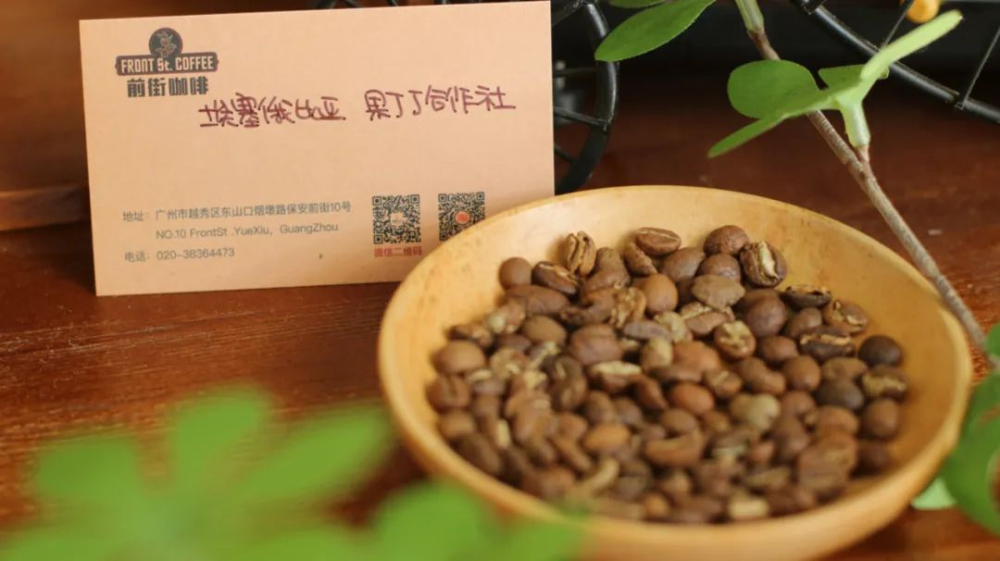
The key to the washed processing method lies in completely separating the coffee beans from the fruit pulp. The general process includes: first screening ripe coffee cherries, then removing the outer skin and pulp, followed by soaking the mucilage-covered beans in water for over 24 hours of fermentation to break down residual pectin. After fermentation, the beans are rinsed clean with water and evenly spread on drying beds to reduce moisture content to around 12% before bagging and storage. This process significantly reduces interference from impurities and off-flavors, allowing the beans’ inherent flavor characteristics to shine more prominently.
This Yirgacheffe is processed using the washed method, with thorough fermentation and washing steps ensuring that the outer fruit flesh and pectin are removed well before drying, thereby presenting the bean’s own flavor traits more purely. Coffee from the Yirgacheffe region generally boasts rich aromatic layers, but medium-dark or dark roasting can easily mask its proud bright acidity and delicate floral notes. Therefore, this washed bean is medium-light roasted to preserve its fresh white floral notes, citrus acidity, lively lemon tones, and a hint of refreshing green tea-like aftertaste.
In terms of brewing, medium-light roasted Yirgacheffe washed beans are highly suitable for pour over. It’s recommended to use a light grind, control the water temperature at 90–92°C, and employ pulse pouring or center-pour techniques to more fully present its layered acidity and floral notes. Additionally, cold brew is also a great option, as it softens the acidity and brings out a smoother sweetness. For convenience, drip bags are also a good choice, allowing you to enjoy its bright and clear flavor profile just as much.
In summary, this washed Yirgacheffe, with its stable quality, affordable price, and distinct citrus, floral, and green tea profiles, has become a favorite among many coffee lovers. Whether you’re just starting with pour over or looking for a daily-drinking coffee bean, understanding its varietal traits, processing methods, and suitable brewing approaches will help you better appreciate this classic flavor from Ethiopia.
The above content is compiled by CoffeeHunters, a coffee news website.


