








Introduction:Choosing the right espresso blend is key to brewing a balanced and rich cup of coffee. This article takes an in-depth look at four popular blend recipes—from the classic Mamba base and high-value Black Cocoa, to the fruity Strawberry Candy, and the commercial-grade blend ideal for cafés. We’ll explore their bean varieties, flavor profiles, and best-use scenarios to help you find the one that suits your needs.
A memorable espresso lies in the delicate balance of acidity, bitterness, and sweetness, with a clean mouthfeel and lingering aftertaste. Achieving such flavor expression hinges on the role of blends. By thoughtfully combining beans from different regions, not only can the shortcomings of single origins be mitigated, but complexity and body can also be enhanced. Several brands have launched four curated espresso blends tailored to varying consumer and extraction needs—Classic Blend, Black Cocoa Blend, Strawberry Candy Blend, and Commercial Blend—each with its own unique formulation logic and optimal use case.

The ideal espresso should deliver harmony across all sensory levels: layered flavors upon entry, a well-balanced acidity-sweetness-bitterness ratio, and a long-lasting finish without unpleasant astringency or off-notes. Especially when paired with milk in drinks like cappuccinos, a good shot blends seamlessly with the foam, amplifying sweetness and delivering a smooth coffee experience even without added sugar. The purpose of blending is to combine beans from multiple sources to intensify flavor, boost body and aftertaste, and compensate for the limitations of single-origin beans in terms of viscosity and complexity.
If you’re aiming for a rich, crema-forward espresso ideal for latte art, then the Classic Blend is a solid first choice. Inspired by the classic “Mamba formula,” this blend combines the characteristics of Indonesian Mandheling and Brazilian beans—the former brings distinct spice and herbal notes, while the latter provides a stable, full-bodied foundation with low acidity. Furthermore, a small amount of Robusta is introduced to significantly enhance crema texture and longevity. As a result, this blend is not only great for home use but also a top pick for cafés looking to achieve outstanding latte art with milk-based drinks like lattes and cappuccinos.
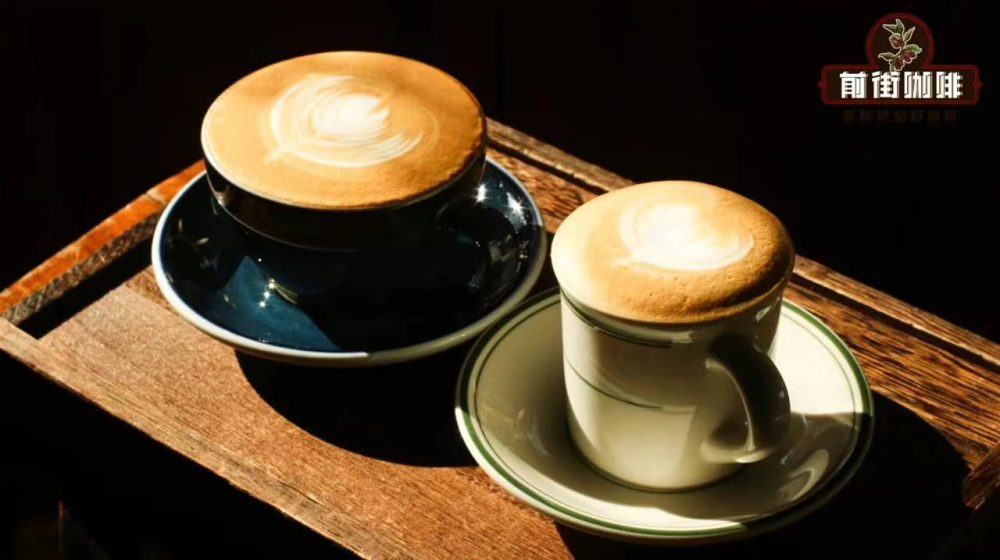
For those seeking a cost-effective way to enjoy consistently balanced milk coffee, the Black Cocoa Blend is an excellent high-value option. Its flavor profile highlights soft fruit acidity and caramel sweetness, with prominent black chocolate and nutty notes. The overall mouthfeel is smooth, rich, and free of sharp edges. Whether for home users or small cafés, it delivers stable and enjoyable flavors while keeping costs in check—making it a perfect everyday base espresso.
For coffee lovers who prefer bright, fruity, and floral profiles, the Strawberry Candy Blend offers a refreshing alternative. Composed of beans from Costa Rica, Colombia, and Ethiopia, and incorporating multiple processing methods such as natural, washed, and honey, this blend delivers a rich aroma profile. When brewed as espresso, it often showcases delicate notes of rose, grape, orange, cream, and almond. Whether crafting a crisp Americano or a latte with hints of cream and strawberry shortbread, it’s an ideal summer choice—revitalizing the palate with a touch of freshness.
If you’re planning to open a café or want to establish a reliable, crowd-pleasing house espresso, the Commercial Blend is the practical choice designed for this very need. Based on Brazilian and Colombian beans with a touch of Robusta, it delivers stable nutty notes like almond, hazelnut, and walnut, along with low acidity, full body, and excellent crema fluidity. Not only does it boast appealing flavors, but it also offers cost advantages—striking an ideal balance between consistent quality and affordability for professional cafés.
The above content is compiled by CoffeeHunters, a coffee news website.


