








Introduction:Explore top-tier Arabica coffee from Hawaii’s Kona region, delving into its geography, growing conditions, and varietal characteristics to uncover the unique flavors of Kona coffee. This article compares the terrain, climate, and processing methods of Kona and Jamaican Blue Mountain, while providing practical roasting and brewing references—making it an essential deep-dive guide to island coffees for specialty coffee enthusiasts.
Hawaii is the only U.S. state with viable coffee-growing conditions, and among its offerings, Kona Coffee is the most renowned. This Arabica coffee from the Big Island has earned its place as a significant player in the global specialty coffee market, thanks to its exceptional flavor profile and unique cultivation environment. This article will explore the regional characteristics of Kona coffee, planting details from renowned estates like the Queen Farm, and how proper roasting and brewing can bring out its delicate aromas and layered complexity—all through the lens of its geographic and climatic conditions.

Hawaii’s exceptional climate is key to the thriving growth of coffee. The region enjoys stable year-round temperatures, abundant sunshine, and plentiful rainfall, complemented by fertile volcanic soil and natural ventilation from prevailing trade winds that effectively reduce pest and disease risks. Notably, the frequent afternoon cloud cover acts as a natural “shade,” shielding coffee trees from intense sunlight and further enhancing bean quality. Data shows Kona’s coffee yield per hectare far exceeds the market average, reaching 2,240 kilograms—significantly higher than other Latin American regions’ 560–900 kilograms.
Beyond the famed Big Island’s Kona region, other Hawaiian islands like Oahu, Maui, Kauai, and Molokai also grow coffee. Each area’s unique microclimates and soil compositions yield distinct flavor profiles. For example, Kauai coffee is generally smooth and mellow, Molokai is known for its low acidity and full body, while Maui coffee boasts pronounced acidity and intense aromas, showcasing the diversity of Hawaiian coffee. Among them, Kona stands out globally in the specialty coffee market due to its growing altitude and meticulous management.
Kona coffee’s core production zone is concentrated in the western and southern parts of Hawaii’s Big Island, at elevations of approximately 800 to 1,100 meters—considered ideal for Arabica cultivation. Especially on the slopes of Holualoa and Mauna Loa, coffee trees absorb rich minerals from volcanic soil, aided by stable diurnal temperature variations and moderate humidity, resulting in high-quality beans with intense flavors and distinct layers. These beans are not only plump and vibrant in color but are also hailed as some of the “most beautiful coffee beans in the world.”
Kona coffee production has long been dominated by family-run farms, with harvesting roughly spanning from late August to January each year. Farmers hand-pick ripe red cherries in batches and process them manually. Historically, fieldwork was primarily done by men, but over time, women and immigrant laborers have joined, fostering an inclusive farming culture. Today, the Kona region boasts over 950 farms covering a total of 7,900 acres, demonstrating a robust local industry ecosystem.
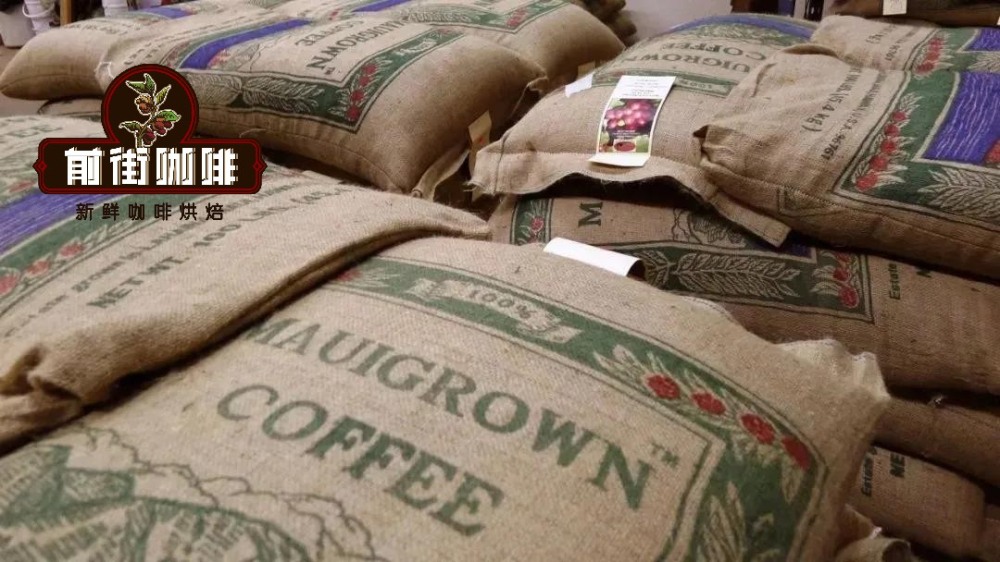
Queen Farm is a standout in the Kona region, having won second place in the Kona cupping competitions of 2009 and 2011. Its premium specialty beans are widely praised for their exceptional purity and aroma, with even the next-grade specialty beans offering comparable flavor potential. These beans from Queen Estate are typically grown on volcanic slopes at around 1,100 meters altitude, using the Typica variety and washed processing—a superb choice for coffee lovers seeking delicate flavors.
For roasting recommendations, given Kona coffee beans’ relatively low density, the drop temperature should not be too high, and sufficient resting time is needed during the yellowing phase (when the bean surface turns light yellow and dehydration is complete) to fully develop their intrinsic flavors. Practical experience suggests a medium-light roast is ideal to preserve their innate floral, fruity notes, and nutty aromas. Suggested roasting parameters are as follows: using a Yangjia 800N roaster, charge temperature 200°C, bean charge around 550 grams; yellowing point occurs at approximately 5 minutes 35 seconds at 150.1°C; first crack begins around 9 minutes 30 seconds at 187°C, with development for about 1 minute 50 seconds after first crack, finishing at 193.4°C.
When controlling the roasting curve, pay special attention to the adjustment rhythm of heat and air vent. For example, set the initial furnace temperature to 200°C, air vent at 3; after one minute, reduce heat to 150°C, keeping the air vent unchanged. At 5 minutes 35 seconds, when the bean surface turns yellow and grassy notes disappear (indicating dehydration is complete), lower the heat to 140°C and open the air vent to 4. By 9 minutes 30 seconds, when the bean surface shows noticeable wrinkles and color changes while emitting coffee aromas (signaling first crack), carefully reduce heat to 70°C and fully open the air vent, then turn off the heat at 182°C and drop the beans at 193.4°C.
Brewed Kona coffee delivers a balanced, mellow sweetness reminiscent of osmanthus honey, with a delicate texture and no heaviness, accompanied by elegant mulberry aromas. The finish lingers with a smooth malt sweetness, maintaining a tea-like silky mouthfeel even when cooled. These flavor characteristics make Kona coffee truly unique in the specialty coffee market, especially appealing to consumers who enjoy a combination of fruity acidity and nutty notes.
Comparing Hawaii’s Kona with another renowned island coffee—Jamaican Blue Mountain—reveals that while both share the Typica variety and similar growing altitudes and latitudes, their distinct climates, soils, and processing methods result in markedly different flavor profiles. Jamaican Blue Mountain is famed for its rich chocolate and nutty tones, whereas Kona excels with its fresh floral-fruity notes and gentle sweet-acid balance, offering diverse options for flavor enthusiasts.
The history of Jamaican Blue Mountain coffee dates back to the 18th century, initially advocated for planting by French King Louis XV. It was later in the 1720s that Governor Sir Nicholas Lawes introduced Arabica seeds and conducted trial plantings in the Blue Mountains region. The mountains earned their name from the unique blue haze that crowns their peaks under sunlight, due to their terrain and climatic conditions. Blue Mountain coffee is legally required to be grown at elevations above 800 meters, with beans from 1,200–1,700 meters considered the most premium. With annual rainfall reaching 1,980 millimeters and a perpetually foggy, humid environment, the region produces coffee with a rich, layered flavor profile.
Currently, authentic Blue Mountain coffee on the market is all processed via washed methods and undergoes strict aging procedures to ensure flavor stability. Though both Kona and Blue Mountain share Typica heritage, their distinctly different growing environments yield contrasting taste experiences: the former highlights fruity notes and gentle sweet-acidity, while the latter features a bold, nutty-chocolate profile. Whichever style you prefer, you’ll find your own taste in the world of island coffees.
The above content is compiled by CoffeeHunters, a coffee news website.


