







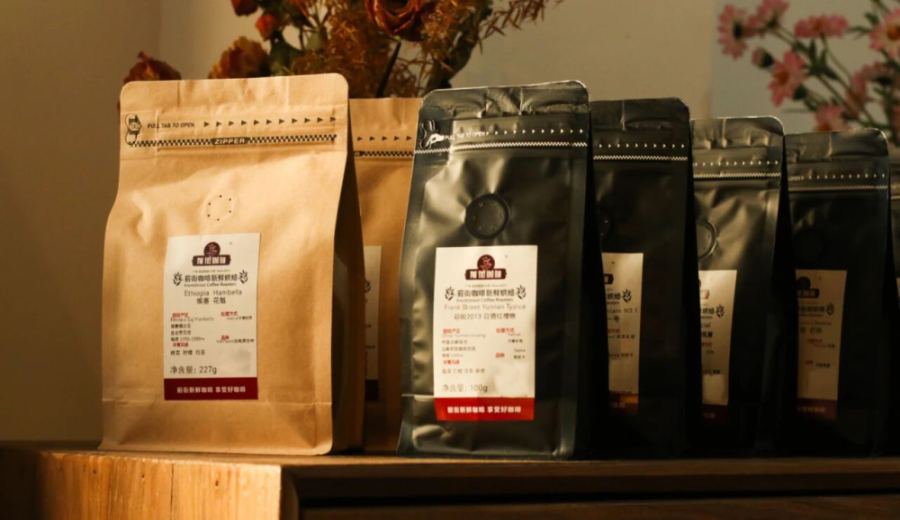
Introduction:The Huakui coffee originates from the Guji Hambella sub-region in Ethiopia’s Sidama zone, making its debut as the champion of the 2017 TOH (Taste of Harvest) competition. This article delves deep into the high-altitude terroir of Hambella, its heirloom genetic lineage, traditional natural processing method, as well as its distinctive fruity and floral flavor profile. It also offers professional pour over recommendations and extraction details to help you fully appreciate the charm of this competition-grade specialty bean.
Huakui coffee is one of the most representative natural processed beans from the Hambella sub-region in Ethiopia’s Sidama province. It gained widespread attention after winning the championship at the 2017 TOH (Taste of Harvest) competition. This high-altitude specialty coffee not only boasts complex and captivating floral and fruity aromas, but also stands out with its unique processing technique and rich layers of flavor, making it a top choice for many coffee enthusiasts trying pour over brewing. This article will comprehensively analyze all aspects of Huakui coffee—from regional background, variety characteristics, processing methods, the origin of its name, to practical brewing parameters and flavor performance.
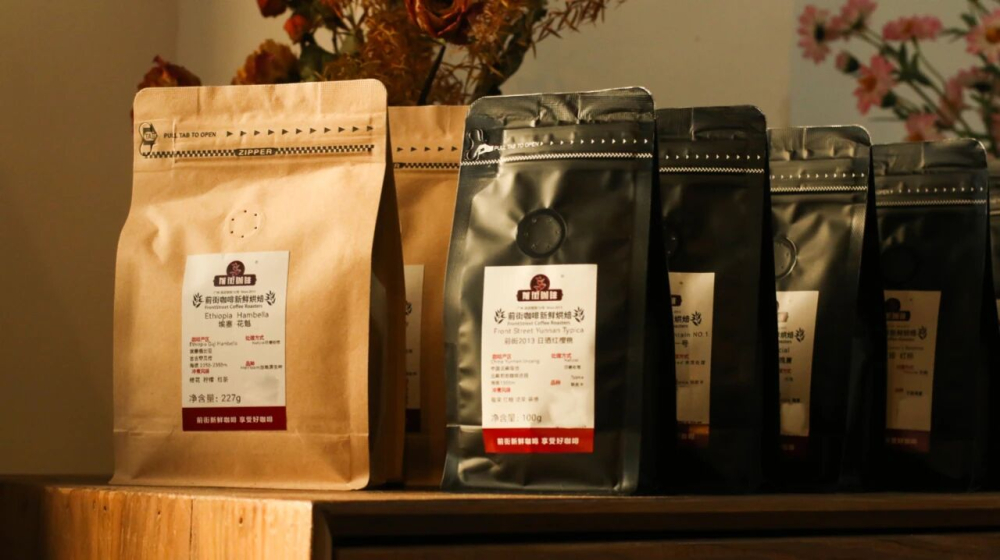
This highly acclaimed natural bean is produced in the Guji region of the Sidama zone, specifically within the Hambella sub-region. Hambella belongs to the Oromia state and geographically neighbors the renowned Yirgacheffe producing area, though its main territory actually lies within the Guji zone. To the west, Hambella is separated from Yirgacheffe’s Kochore district by a highland plateau about 3,200 meters above sea level and nearly 30 kilometers wide, forming a natural barrier. To the east, south, and north, it borders other important Guji sub-regions such as Shakiso, Uraga, and Kercha. It’s worth mentioning that Hambella is not only one of the highest-elevation growing areas within Guji, but also ranks among the top in average altitude across all Ethiopian coffee sub-regions, second only to the traditionally high-altitude Harrar region.
The Hambella farm responsible for producing Huakui coffee spans a total area of 200 hectares. Normally, it employs 28 permanent staff, but during the busy harvest season, the workforce increases significantly to over 700 people, with female employees accounting for up to 70% of the total. The farm places special emphasis on collaboration with local smallholder farmers, continuously improving overall coffee quality through technical exchange and resource sharing. In addition to the coffee beans grown on its own estates, the farm also purchases parchment beans from surrounding farmers that meet its standards, which are then carefully sorted and processed uniformly before being sold—ensuring that every batch of Huakui coffee maintains a consistently high standard.
Huakui coffee is processed using the traditional natural (sun-dried) method. To effectively prevent mold or unwanted odors during the drying process, all harvested coffee cherries are evenly spread on raised African beds and sun-dried for up to 21 days. During this period, workers turn the cherries multiple times a day to ensure even dehydration, and every 3 to 5 days, they carefully remove defective and moldy cherries to maintain the overall quality of the green beans. Once the cherry skins are completely hardened and dried, a pulper is used to remove the outer fruit pulp and mucilage, leaving behind clean green coffee beans. Finally, a final fine sorting is carried out to eliminate any beans that do not meet the standards, ensuring optimal taste.
Behind Huakui coffee is a farm team dedicated to the development of specialty coffee. The farm was jointly established by Aman Adinew and his brother Michael. Notably, Aman previously served as the Quality Control Director of the Ethiopian Commodity Exchange (ECX) and led the establishment of Ethiopia’s first specialty coffee laboratory. With profound experience in specialty coffee quality management and technical development, he has laid a solid foundation for the consistent excellence of Huakui coffee.
As for the origin of the name “Huakui,” it is closely tied to the 2017 TOH competition. That year, the African Coffee Association held its annual harvest-season evaluation competition, and Ethiopia’s DW coffee company entered this lot of natural beans from Hambella. Surprisingly, it defeated several competitors, including various well-known Geisha varieties, to claim the championship. Later, a domestic green bean trader imported this champion lot and named it “Huakui,” symbolizing its outstanding quality and competitive glory—a name that has been retained ever since.
To fully showcase Huakui coffee’s rich floral and fruity profile—including prominent floral notes, mango, jackfruit, citrus, and honey—many professional roasters opt for a light roast. While light roasting preserves the maximum amount of original flavors, it demands more skill during extraction. This particular roaster uses a Hario V60 dripper along with water at 91°C for pour over. The V60’s signature spiral ridges and large center hole are designed to extend the water flow path and enhance contact efficiency between coffee grounds and hot water, thereby bringing out more layered and nuanced flavors.
Specific pour over recommendations are as follows: Use 15 grams of coffee grounds with a 1:15 coffee-to-water ratio. The grind size is suggested to be around 80% passing through a Chinese standard No. 20 sieve (equivalent to a medium-fine grind). Employ the three-pour method—first, pour 30 grams of hot water for the bloom and let it sit for about 30 seconds to allow the coffee grounds to fully expand. Then, at the 1-minute mark, pour up to 125 grams and wait until the water level drops to two-thirds of the coffee bed. Finally, at 1 minute and 40 seconds, pour up to 225 grams. The total extraction time should be controlled within 1 minute and 59 seconds, with the entire process taking about 2 minutes. After brewing, it is recommended to gently swirl the coffee to evenly distribute the flavors before drinking.
The flavor profile of Huakui coffee is quite outstanding, featuring a distinct light fermented wine-like aroma, accompanied by delicate floral notes, citrus tones, sweet mango, and rich jackfruit. The taste is layered and complex, with a noticeable honey-like sweetness upon entry, along with a soft cocoa undertone and a hint of spice. Though the body may not be as heavy as some dark-roasted beans, it is well-defined with a long-lasting aftertaste. It is highly suitable for coffee lovers who enjoy fruity profiles and complex flavors.
The above content is compiled by CoffeeHunters, a coffee news website.


