







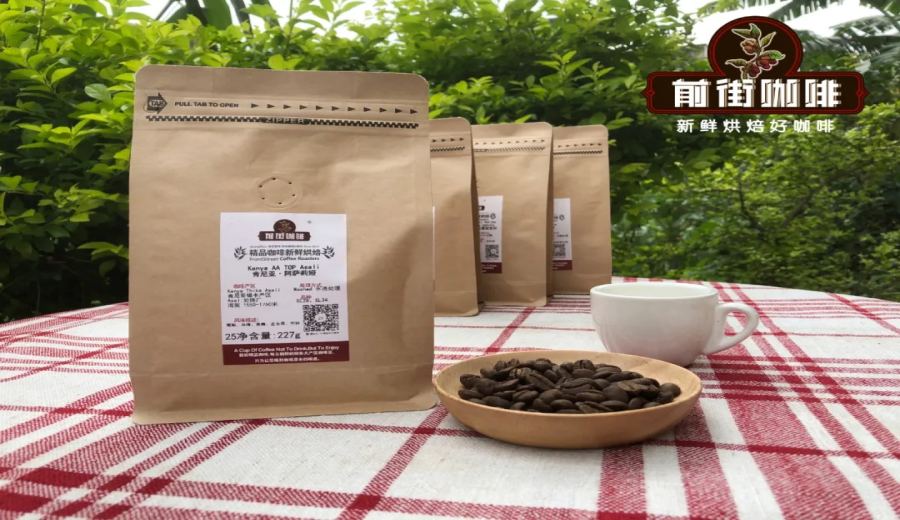
Introduction:Kenyan coffee is renowned for its bright acidity and rich berry aroma, making it one of the top choices for specialty coffee enthusiasts worldwide. This article delves into the terroir, altitude distribution, and bean variety characteristics of Kenya’s seven major coffee-growing regions. It also explores the unique K72 washed processing method and the AA grading system, while providing insights into the history and flavor profiles of the two classic varieties, SL28 and SL34. From region to brewing, this guide helps you fully grasp the essence of Kenyan coffee.
When it comes to coffee with pronounced acidity and vibrant fruitiness, Kenyan beans are definitely among the best. Especially in recent years, these treasures from the East African highlands have demonstrated an excellent balance of intense berry juice flavors, deep plum-like acidity, and soft caramel sweetness. Although the overall acidity is slightly more restrained compared to earlier years, the layers and aftertaste remain captivating, making it a dream brew for many pour over enthusiasts.
Located near the equator, Kenya has a typical tropical highland climate with distinct double rainy seasons throughout the year, resulting in two main harvest periods: the primary season runs from October to December each year, accounting for about 60% of total production; the other season falls between June and August, making up around 40%. Most of Kenya’s coffee is grown in volcanic soil regions at altitudes of 1,200 to 2,300 meters. Such heights not only create large day-night temperature variations and slower ripening of coffee cherries, but also facilitate the accumulation of aromatic compounds. Combined with mineral-rich and phosphorus-abundant soils, Kenyan coffee boasts exceptionally bright acidity and relatively dense bean structure—key elements that shape its distinctive flavor.
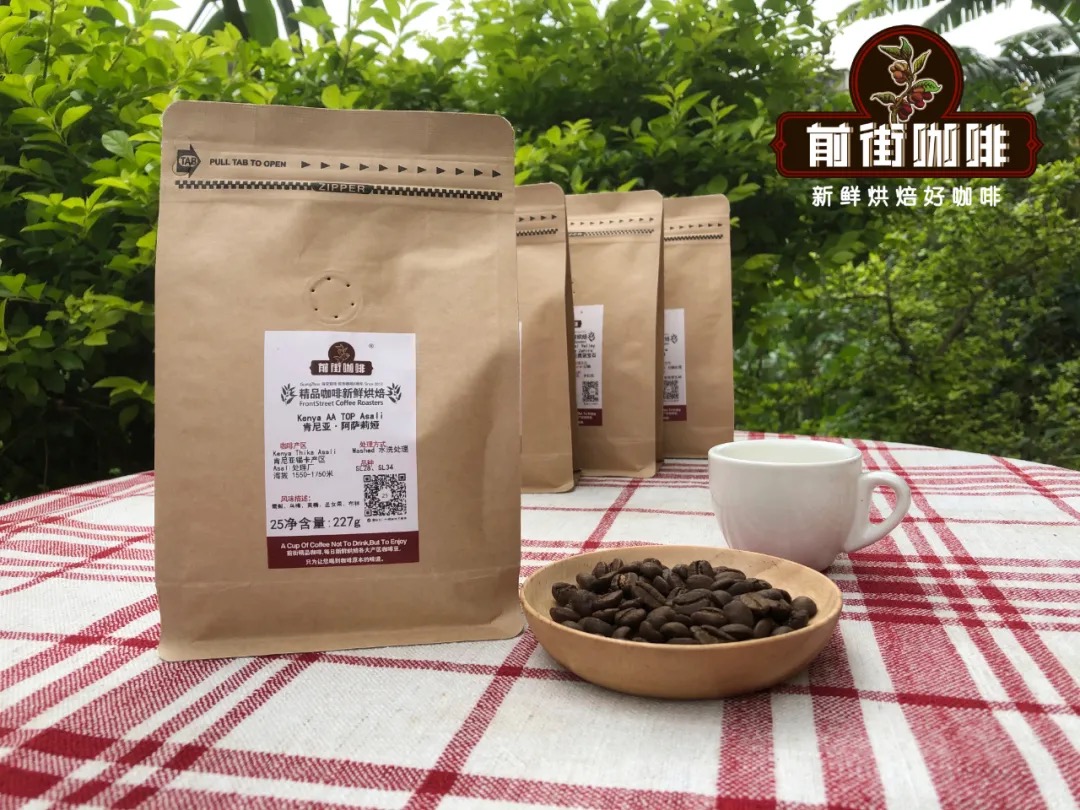
Kenya is home to several renowned coffee-growing regions, with Thika, Kirinyaga, Mt. Kenya West, Nyeri, Kiambu, Ruiri, and Muranga being the most famous. Most specialty-grade Kenyan beans are concentrated around the foothills of Mount Kenya and the Aberdare Mountains, among which Nyeri, Kirinyaga, Muranga, and Thika are regarded as the most stable in quality and most representative in flavor.
Nyeri is located in central Kenya, home to the country’s highest peak—Mount Kenya. The region features fertile red soil and altitudes ranging from 1,200 to 2,300 meters, making it the birthplace of numerous top-tier coffees. The neighboring Kirinyaga also lies on the slopes of Mount Kenya and is celebrated for its intense flavors, rich layers, and solid mouthfeel, standing as a top-tier region alongside Nyeri, with planting altitudes between 1,300 and 1,900 meters. Muranga belongs to the Central Province and hosts numerous smallholder coffee farmers. The area also benefits from volcanic soil, with planting elevations around 1,350 to 1,950 meters. Thika, though considered a secondary region, includes areas at the foot of the Aberdare Mountains with altitudes reaching 1,550 to 1,750 meters. Its red volcanic soils are rich in organic matter and it is also home to many well-known processing mills.
Kenyan coffee is graded based on bean size, appearance, and hardness. The common grades from highest to lowest are: AA or AA+, AB, PB (peaberry), C, E, TT, and T. Among them, Grade AA consists of the largest, fullest, and generally highest-quality beans, often seen as the entry threshold for specialty coffee. In addition to the official grading, some exporters also refer to cupping results to further subdivide into unofficial but widely used quality tiers such as TOP, PLUS (+), and FAQ, providing consumers with additional reference points for selection.
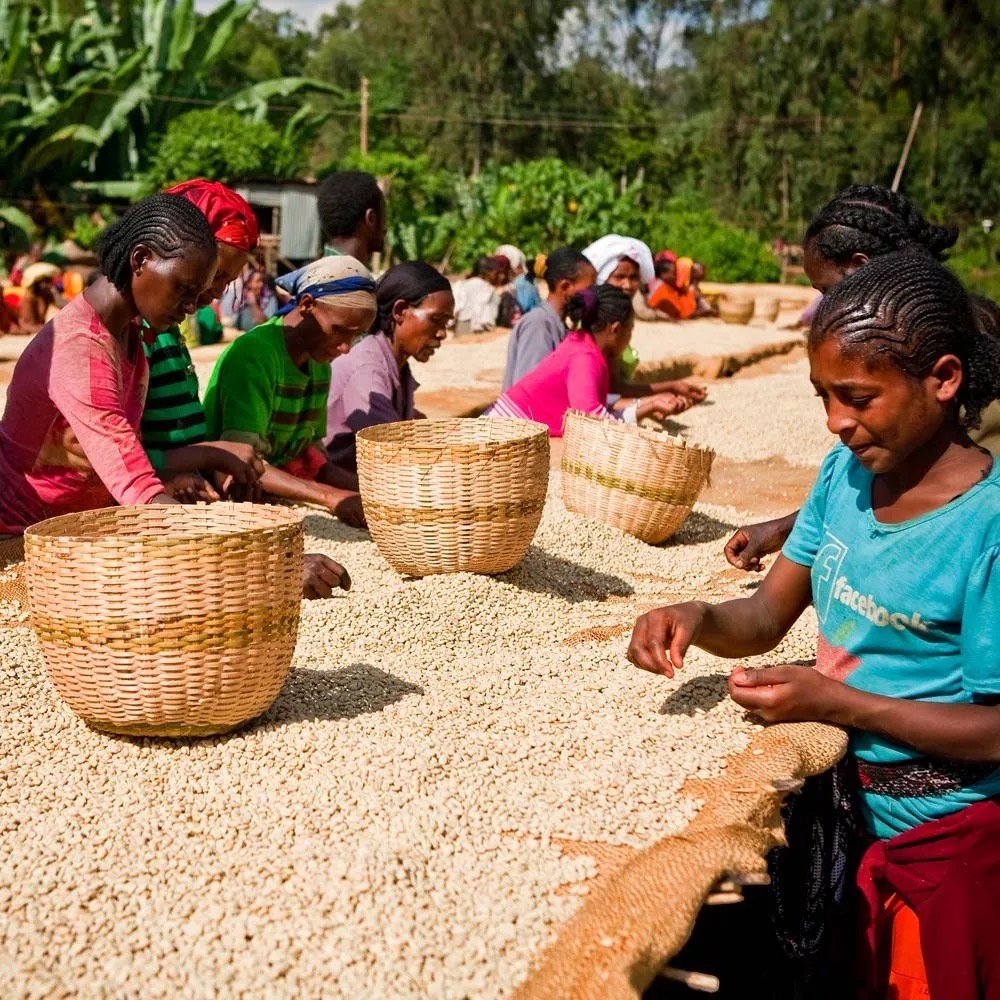
When discussing the processing characteristics of Kenyan coffee, the world-renowned K72 washed process must be mentioned. Compared to traditional washed fermentation processes that typically take only 12 to 36 hours, K72 extends fermentation time significantly to a full 72 hours. This longer pulp breakdown period imparts a more distinctive sharp acidity and unique aromatic profile to the coffee. The specific process involves carefully selecting fully ripe coffee cherries, removing the skin and pulp, then soaking the mucilage-covered beans in water tanks for extended fermentation. Once the mucilage is completely removed, the beans are washed and dried until the moisture content stabilizes at around 12%, completing the entire refining process.
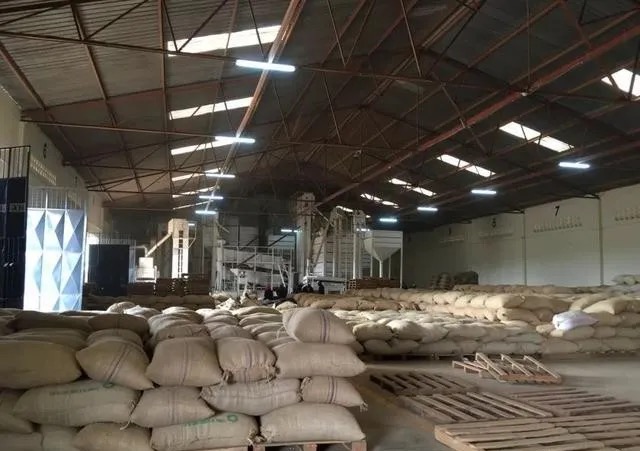
The varietal genetics of Kenyan coffee also form an important foundation for its unique flavors. The most representative SL28 and SL34 originated from a series of varieties cultivated by the Scott Laboratories (now known as NARL) in the 1930s. At that time, in search of coffee tree varieties resistant to drought and pests, researchers traveled to places like Tanzania for variety screening. After nearly three decades of effort, they finally introduced multiple superior varieties—including SL28 and SL34—in the 1950s, which quickly replaced the previously dominant Bourbon variety and became the backbone of Kenya’s coffee industry.
SL28 has a complex lineage, including French Mission, Mocha, and Yemeni Typica. It features tall plants with green leaves, and relatively good drought resistance, but is more susceptible to issues like leaf rust, berry disease, and nematodes. Coffees from this variety often exhibit intense plum, citrus-like acidity, coupled with deep stone fruit and wine-like rich finishes. In contrast, SL34 has dark bronze-tipped leaves, higher nutritional demands, and lower yields, but the plant adapts well to high-altitude environments and can still demonstrate exceptional flavor potential under harsh conditions. Its flavor profile is based on bright fruit acidity, blended with multi-layered aromas of nuts and spices, offering a balanced and layered sweet-and-sour taste. These two varieties, with their unique acidity expression and rich mouthfeel, have established Kenya coffee’s unbeatable status in the specialty market.
If you want to highlight the bright berry notes and juicy body of Kenyan coffee when brewing at home, it is recommended to use a 1:16 coffee-to-water ratio to emphasize the balance of acidity and sweetness. For example, using 15 grams of coffee grounds, you can pour 240 grams of hot water. The grind size should be on the finer side, similar to EK43s setting 10 (approximately 82% passing through a 20-mesh sieve), with a water temperature set around 91°C. During brewing, a strategy of starting with a larger pour followed by smaller pours is advised to balance the release of acidity and the overall structure of the cup.
Specifically, start by pouring 30 grams of hot water for a 30-second bloom to help the coffee grounds fully absorb water and release initial aromas. Then, use a medium-to-large stream (about 7g/s) to quickly pour 130 grams of water in large circles to promote the extraction of acidity and floral-fruity compounds. Once the flow through the filter is stable, switch to a small stream (about 4g/s) and slowly pour the remaining 80 grams of hot water in small circles. The total extraction time should be controlled to around 2 minutes. Be careful not to build up the coffee bed too quickly during the second pour to avoid under-extraction at the edges. It is recommended to maintain the filter water level at about 3/5 height by the end of the second pour to ensure even and complete extraction.
The above content is compiled by CoffeeHunters, a coffee news website.


