







Introduction:Have you ever wondered why Starbucks coffee beans from different regions are all labeled as Arabica? Arabica is not a single variety, but a broad classification of coffee encompassing a wide range of genetic characteristics — and it's also the foundation of specialty coffee. This article delves into the global distribution and key varieties of Arabica, with a focus on Sumatra’s Tiger-striped Mandheling in Indonesia. We’ll explore the origin of its iconic tiger logo, the story behind Tiger Mandheling, the characteristics of Typica and Caturra varieties, as well as medium-dark roast recommendations and ideal pour over parameters to help you understand the roots of this classic, bold-flavored coffee.
If you’re a regular at Starbucks, you’ve probably noticed that no matter which country the beans are from, the packaging almost always labels the origin as simply “Arabica.” But in reality, these beans could come from various regions across South America, Africa, or even Asia, each with vastly different flavor profiles. So why are they all grouped under one category? What exactly is Arabica? And what makes it the dominant choice in specialty coffee?
The answer lies in the fact that Arabica is not a single coffee variety, but one of the world’s primary coffee species, encompassing over a hundred known cultivars and variants — including familiar ones like Typica, Bourbon, Caturra, and Geisha. Compared to its counterpart Robusta, the other major coffee species, Arabica boasts a richer aromatic profile, softer acidity, and lower caffeine content, making it the preferred choice for high-end and specialty coffees.
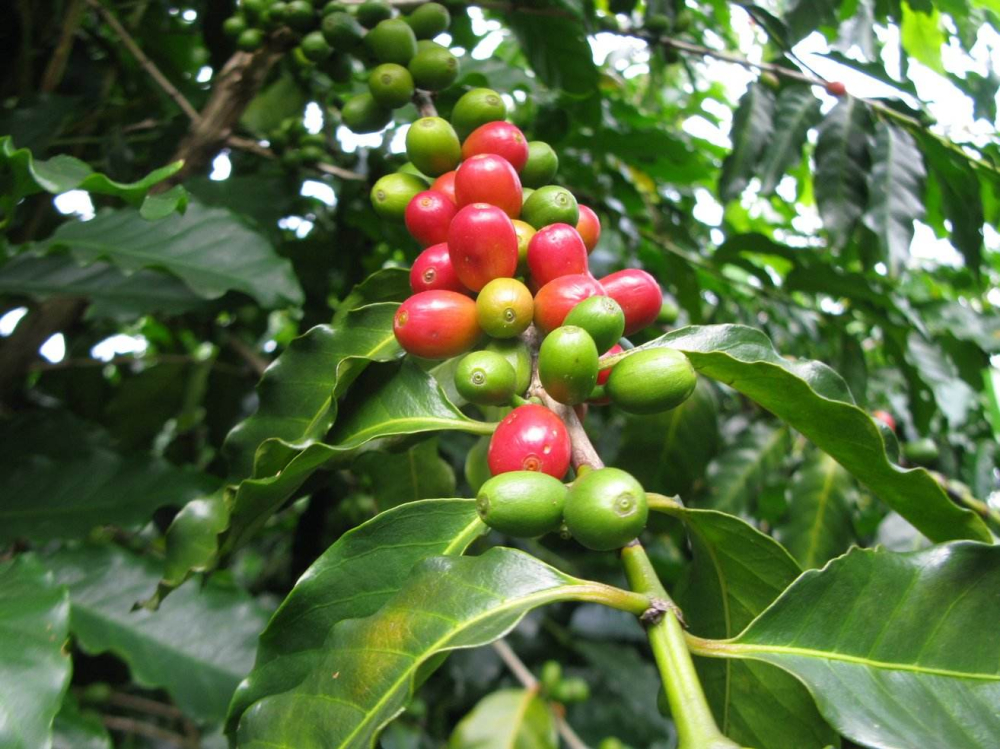
On the global coffee cultivation map, Arabica is primarily grown in high-altitude regions, typically between 1,000 to 2,000 meters above sea level. Such environments allow the coffee cherries to ripen slowly, accumulating more flavor compounds. Its origin is widely believed to be Ethiopia in Africa, from where it later spread to Yemen, Central and South America, Southeast Asia, and other parts of Asia. Today, with the exception of Argentina and certain regions of Brazil, South America is almost entirely planted with Arabica; Central American countries such as Guatemala and Costa Rica are also renowned producers. In Africa, Kenya and Ethiopia remain famous for their high-quality Arabica. In Asia, Sumatra in Indonesia, Java, as well as Yunnan in China and Taiwan also cultivate Arabica.
Among these, Sumatra is one of the classic regions that captivates many coffee enthusiasts. When talking about Sumatra, one cannot overlook the name “Mandheling.” In fact, most Sumatra coffee beans found on the market refer to Mandheling, even though “Mandheling” is not a coffee variety but rather the name of an ethnic group. Due to historical reasons, however, the term has come to widely represent high-quality Arabica coffee from Sumatra.
Sumatra is Indonesia’s largest island and the sixth-largest in the world, located in the northwest of the country. The coffee harvest season here generally begins in November each year and lasts until March of the following year, making it one of the earliest major producing regions to enter harvest. The region’s unique geography, combined with high altitudes and fertile volcanic soil, contributes to the distinctive flavor profile of Sumatran coffee.
These beans are known for their low acidity, bold body, and rich notes of spices, herbs, and earthiness. On many Sumatran coffee packages, you’ll see the image of a tiger — the Sumatran tiger, a large feline species classified as critically endangered. This symbol not only represents environmental conservation and biodiversity but also signifies the calm, bold, and layered flavors of Mandheling coffee, much like the tiger’s stealthy yet powerful advance.
So, what is “Tiger Mandheling”? It refers to coffee beans sourced from the habitat of the Sumatran tiger, carefully selected by local farmers, filtered through a 19-mesh sieve (indicating uniform bean size), and hand-picked three times. It’s reported that in some imported batches, this Tiger Mandheling consists of two classic varieties: Typica and Caturra, and is medium-dark roasted to highlight its bold character.
Typica is one of the earliest Arabica varieties, characterized by bronze-tipped leaves and an oval or slightly tapered bean shape. In terms of flavor, it offers a clean, elegant profile with subtle sweetness, but the plant is susceptible to disease and has relatively low yield. Caturra, on the other hand, is a mutation of Bourbon, with slightly rounder beans and a slightly curved tip. It has stronger growth vigor, good disease resistance, and excellent sweetness, making it a popular choice for many regions aiming to enhance both flavor and productivity.
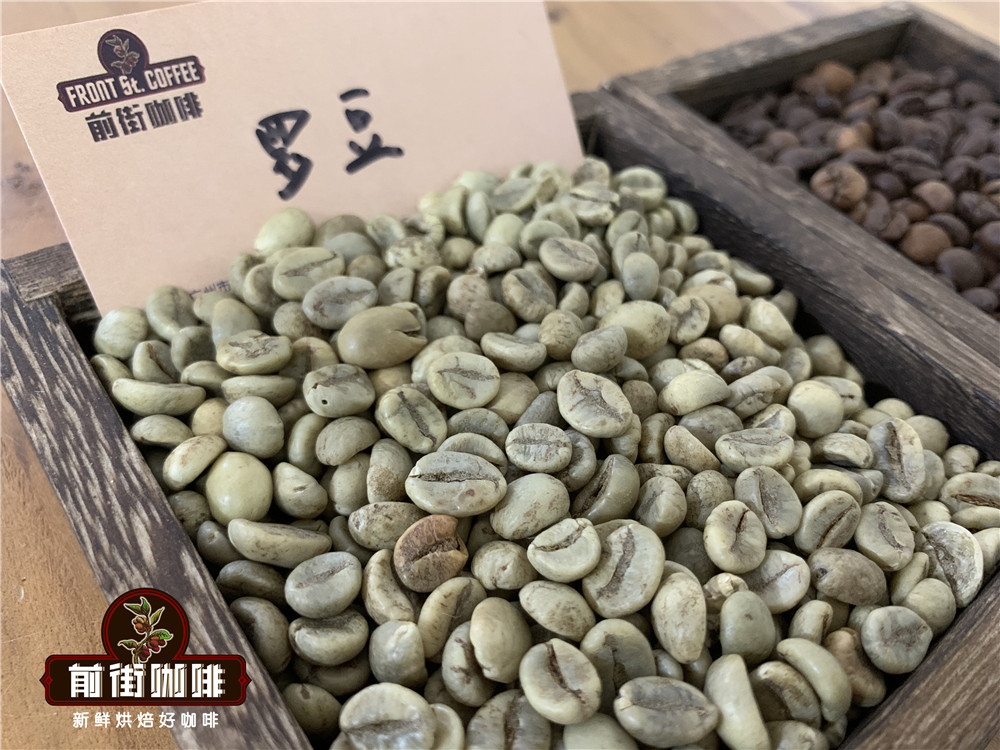
The green beans of this Tiger Mandheling are plump and round in appearance, with a color that leans slightly yellowish-green. They have a higher moisture content, so roasters typically opt for a medium-dark roast. This level of roasting helps suppress excessive acidity while enhancing body and overall flavor balance. It also brings out more sweetness and aftertaste through Maillard reactions and caramelization.
Many people’s first impression of Mandheling is that it’s “very bitter,” but in reality, when roasted and brewed properly, it doesn’t exhibit harsh bitterness. Instead, it reveals a bold flavor with layers, a long-lasting sweet taste, and spicy undertones. Sumatra’s unique wet-hulling process is also a key reason for its low acidity and thick, earthy mouthfeel. This method involves removing most of the parchment layer immediately after the coffee fruit’s pulp is taken off, causing the beans to dry more tightly and thus influencing the final flavor profile.
If you’d like to brew Tiger Mandheling at home to bring out its boldness and layered complexity, here are the professionally recommended parameters:
Filter: Kono
Water temperature: 88–89°C
Coffee dose: 15 grams
Coffee-to-water ratio: 1:15
Grind size: Medium-coarse (recommended to use a Chinese No. 20 sieve, with about 70% extraction rate)
Steps: Start with a 30-second bloom using 30 grams of water, then pour in a small circular motion until you reach 125 grams for the first pour. When the water level drops and is about to expose the coffee bed, continue pouring to 225 grams, then stop. Let it drain and remove the filter. Total brew time should be around 2 minutes. This brewing method fully highlights the sweetness and bold base of Mandheling, while avoiding over-extraction that can lead to unwanted astringency.
The above content is compiled by CoffeeHunters, a coffee news website.


