







Introduction:Explore the two main varieties behind Yunnan’s small beans—Typica and Catimor—from their origins in cultivation, flavor differences, to suitable growing environments and precise brewing parameters. This will help you gain a deeper understanding of these promising beans. Whether you’re a beginner or a coffee enthusiast looking for new beans, you’ll find practical inspiration for tasting and selection.
In recent years, Yunnan coffee has gradually emerged in the domestic and international specialty coffee scene, becoming a notable emerging origin. From the promotion of the movie *Coffee or Tea?* to frequent appearances at major exhibitions and competitions, the coffee grown on this land is steadily earning market recognition. However, the path to specialty is no overnight achievement—it’s the result of years of dedication and varietal breeding. Among the many varieties, Typica and Catimor are considered the representatives of Yunnan’s small beans, each with its own unique traits, reflecting different cultivation challenges and flavor potentials.
The history of Yunnan’s small beans can be traced back to 1904, when French missionary Térence Desgranges introduced the Typica variety from Vietnam and successfully planted it in Zhugula Village, Binchuan County. This is regarded as the starting point of Yunnan coffee. “Small beans” is actually a colloquial term for Arabica, as its beans are relatively smaller compared to the medium-sized Robusta and the larger Liberica. In Yunnan, due to suitable climate and geographical conditions, Arabica has been able to grow stably and gradually develop distinctive local flavor profiles.
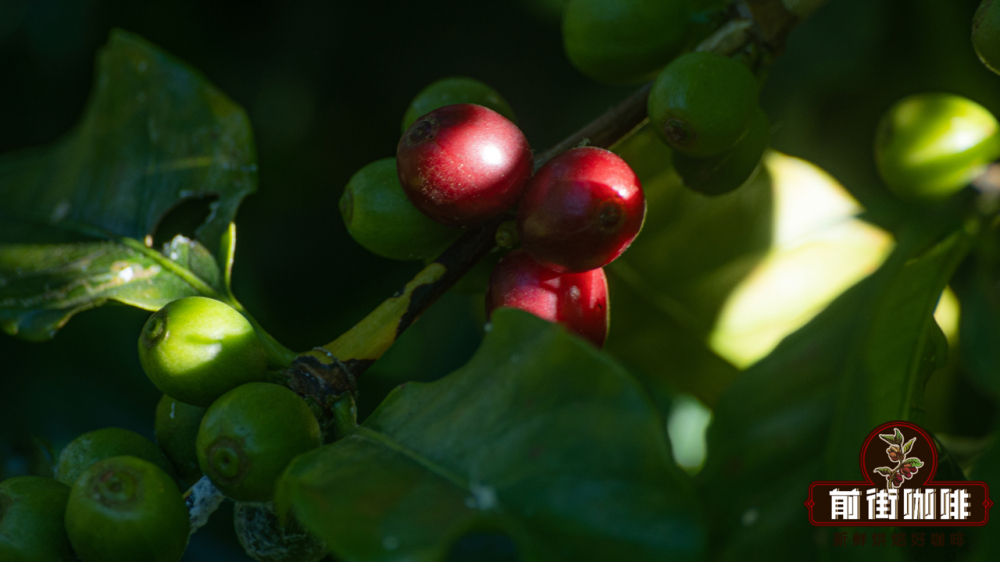
Currently, the main coffee varieties planted in Yunnan can be divided into two categories: in earlier years, Catimor dominated. This is a hybrid of Arabica Typica and Robusta, bred for its resilience. Robusta itself is highly disease-resistant, especially to rust, and offers advantages like higher oil content and yield. Catimor inherits about 25% of Robusta’s genes, thus not only improving disease resistance and ensuring stable yields but also retaining certain Arabica flavor characteristics, such as fruitiness and acidity. For this reason, most Yunnan plantations choose to cultivate Catimor extensively for better economic returns and management efficiency.
In contrast, Typica is a more traditional and delicate variety. It has lower resistance to environmental changes and diseases, particularly susceptible to rust, which is why it’s jokingly referred to in the industry as the “Lin Daiyu” of coffee farming. Aside from its weak disease resistance, Typica also has lower yields, requiring higher cultivation and maintenance costs, leading many farmers to hesitate switching over due to profit concerns. However, the delicate floral and fruity notes and soft fruit acidity that Typica exhibits are exactly the unique flavors many specialty coffee lovers seek. Some growers chose to plant Typica in Baoshan, Yunnan, as early as eight years ago, aiming to establish a unique flavor identity for that growing region.
When it comes to suitable growing regions in Yunnan, they are mainly concentrated in Lincang, Baoshan, Simao, Xishuangbanna, and Dehong, among which Baoshan is the most renowned. Located in western Yunnan, Baoshan enjoys a stable annual average temperature of 21.5°C, with highs reaching up to 40.4°C, and is almost frost-free year-round—an environment highly conducive to the growth of small beans. The small beans produced here are known for being rich yet not bitter, with clear yet not overly sharp aromas, uniformly plump beans, and often charming layers of fruitiness. International coffee experts have rated them as approaching the quality of washed Colombian small beans, acknowledging their internationally competitive flavor potential.
Next, let’s look at the specific differences between Yunnan’s two representative varieties in terms of flavor profiles and roasting processes from an actual tasting perspective. A producer currently offers two samples from Baoshan: one is a washed small bean coffee of the Catimor variety, and the other is a classic washed Typica. Both use the washed processing method, which preserves clean and clear flavor profiles, making them ideal choices for beginners or comparative tastings.
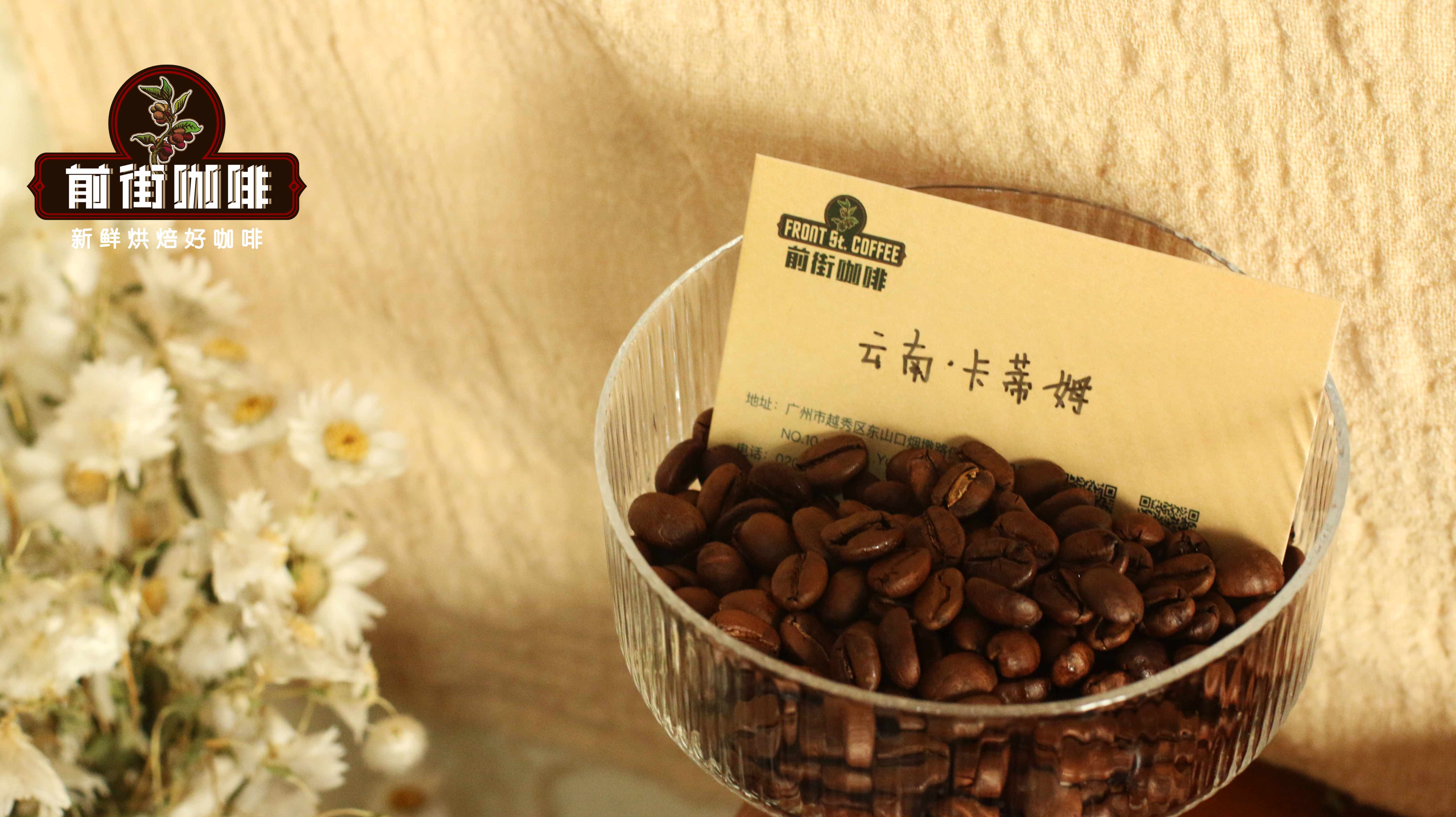
First, we introduce the Catimor small bean. Grown in Baoshan at an altitude of around 1200 meters, its flavor profile highlights melon, sweet melon, brown sugar, plum acidity, and a mild black tea note. The overall taste is sweet and balanced, suitable for drinkers who enjoy fruity flavor profiles. For roasting recommendations, the Yangjia 800N roaster is used, with an entry drum temperature of 190°C, flame power at 120, and air damper at 3. Through precise temperature and air damper adjustments, the first crack development stage is maintained at 198°C for dropping, to fully showcase its sweetness and aromatic layers.
As for the Typica variety, also from Baoshan at 1200 meters altitude, it shows a distinctly different flavor profile. Its characteristics include a pronounced roasted nuttiness, soft acidity, solid dark chocolate aroma, and a hint of orange peel in the aftertaste, presenting an overall more reserved and mellow profile. Roasting uses the same Yangjia 800N machine, but with a slightly higher entry temperature of 200°C. Flame and air damper adjustments are more refined, especially when entering the first crack stage, where careful listening to the crack is essential, with a precise drop at 196°C to ensure full flavor development.
If you’d like to try these two coffees at home using pour over, it is recommended to use a Kono dripper, with a coffee dose of about 15 grams, water temperature controlled at 88°C, and grind size based on 80% passing through a standard 20-mesh sieve. The water-to-coffee ratio is recommended at 1:15. For pour over, you can use a staged extraction method: start with 30 grams of water for a 30-second bloom, then pour in a small circular motion until reaching 125 grams for the first pour. Wait until the water level is about to expose the coffee bed before pouring again to 225 grams, then stop and wait for the water level to drop before removing the dripper. The total extraction time is recommended to be around 2 minutes to fully present its layers and details.
The above content is compiled by CoffeeHunters, a coffee news website.


