








Introduction:To understand the differences between the moka pot and the siphon, start with their brewing methods and the resulting coffee flavors. These two classic brewing devices not only differ greatly in appearance and operation, but also have distinctly different effects on coffee flavor profiles. This article provides an in-depth comparison of their structural designs, usage processes, and suitable flavor orientations, along with practical operational tips to help you choose the most suitable brewing tool based on your personal preferences.
The world of coffee is full of possibilities—from pour over and French press to espresso machines, each brewing device has its own unique charm. Among them, the moka pot and the siphon can be considered the two most representative non-mainstream yet highly distinctive brewing tools. The former is widely loved for its rich and bold taste, while the latter attracts many coffee enthusiasts as a collectible item due to its experimental vibe and smooth, balanced flavor. But what exactly sets them apart? How do they differ in terms of brewing principles and final flavor expression? The following will provide a detailed analysis.

There is a wide variety of coffee brewing equipment, but whether you’re a professional barista or a home user, you’ll face one question: which device is best suited for you? In fact, coffee flavor depends not only on the beans themselves, but also on factors such as brewing method, water temperature, grind size, and time—all of which influence the final taste. Even the same coffee bean can present a completely different flavor profile when brewed with different devices. For beginners, choosing a device that is easy to use and can still highlight the characteristics of the coffee is especially important.
Many people who try making coffee at home for the first time often choose the moka pot as their entry-level tool. Not only is it simple to operate and reasonably priced, but more importantly, it can produce coffee with a “cafe-level” rich flavor in a short amount of time. In contrast, the siphon, with its unique operation process and sense of ritual, appeals to many coffee enthusiasts who enjoy the fun of the process and the visual experience. So, what are the fundamental differences between the two?
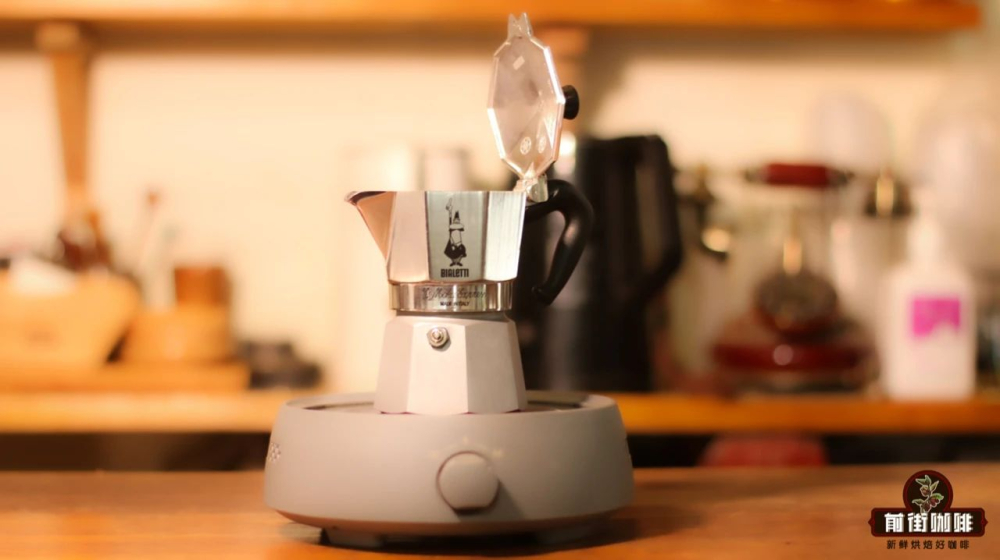
The moka pot, also known as the stovetop espresso maker, is a device that uses steam pressure for extraction. It mainly consists of three parts: the lower chamber holds the water and is heated, the middle filter basket contains the coffee grounds, and the upper chamber collects the brewed coffee. When heated, the water in the lower chamber turns into steam, creating a certain amount of pressure that pushes the hot water through the coffee grounds layer and into the upper chamber. This process allows the moka pot to extract coffee with a strong flavor and rich crema. Its pressure ranges from about 1.2 to 3 atmospheres, which, while not as high as the 9+ atmospheres of commercial espresso machines, is sufficient to produce a similarly intense flavor.
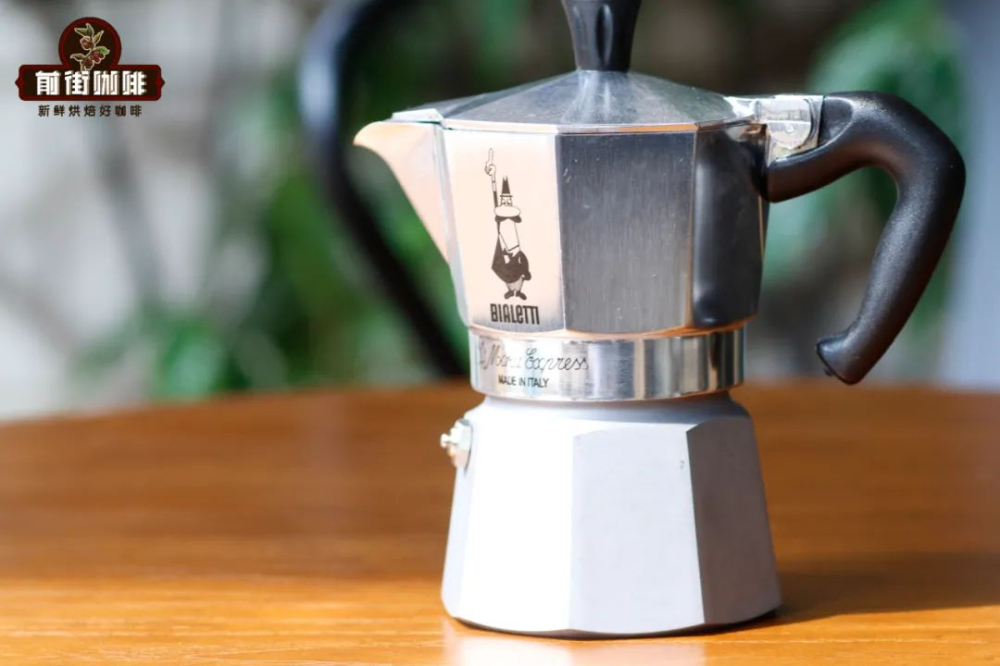
Commonly available moka pots come in single-valve and double-valve types. The double-valve design can further enhance pressure and concentration, resulting in a thicker texture and more layered crema aromas. For those who enjoy espresso-like flavors but don’t want to invest in an expensive machine, the moka pot is undoubtedly a highly cost-effective choice.

Compared to the pressure extraction of the moka pot, the siphon takes a completely different approach. Known in English as the “SIPHON” and also called the vacuum pot, it operates using steam pressure and vacuum suction to move water between the upper and lower chambers, completing the coffee’s immersion and filtration. When the water in the lower chamber is heated, steam pushes the water up into the upper chamber where it mixes with the coffee grounds. Once the heat source is removed, the temperature in the lower chamber drops, creating negative pressure that draws the coffee back down, completing the extraction.
This “vacuum filtration” method results in the siphon’s distinctive clean, balanced, and smooth flavor profile. The siphon not only resembles laboratory equipment in appearance, but its operation also carries a strong scientific experiment atmosphere, making it particularly popular among users who appreciate process and visual experiences. Additionally, the history of the siphon dates back to the early 19th century, invented by a German physicist and later refined by multiple inventors to become what it is today.
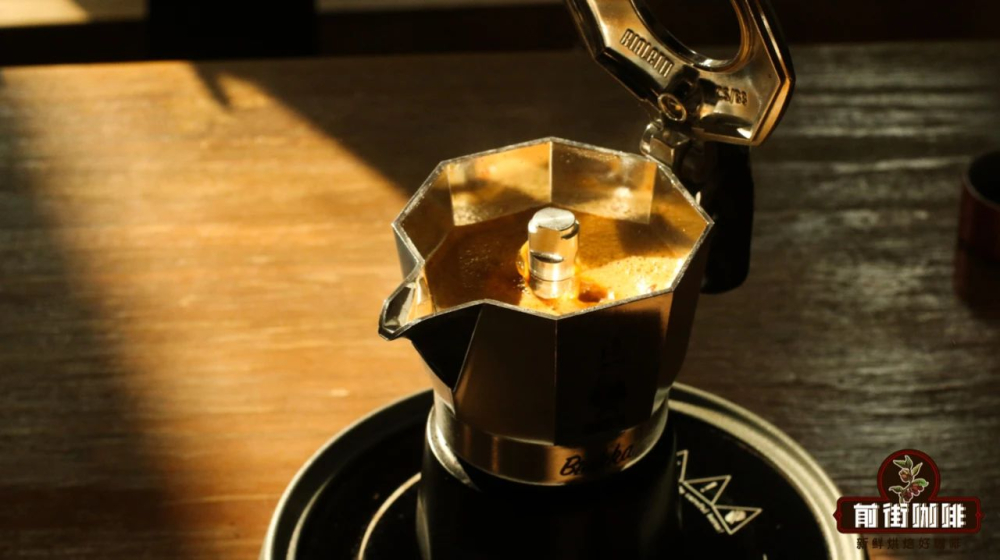
When using a moka pot, it is recommended to use medium-fine ground coffee, slightly finer than typical pour over grind size but optimized for effective extraction under high pressure. The coffee-to-water ratio is generally suggested to be between 1:12 and 1:15, adjustable according to personal taste. During actual operation, pay attention to controlling the heating flame—it is advised to use low to medium heat, then reduce to a small flame once the coffee begins to flow to maintain stable extraction. Furthermore, although the moka pot’s pressure isn’t enough to produce a rich crema like professional machines, it can still create a noticeable layer of oils, enhancing the smoothness and aroma richness of the coffee.
In terms of flavor, coffee brewed with a moka pot typically exhibits strong notes of caramel, chocolate, nuts, and dark berries, with low acidity—making it ideal for those who prefer bold, full-bodied flavors. When served as a milk coffee, its rich and intense base becomes even more pronounced.
Operating a siphon is relatively complex, but once you master the basics, it becomes quite manageable. It is recommended to use a fine grind, almost powdery but with slight particle texture, to facilitate full flavor release within a short period. Water temperature is typically controlled between 90–92°C, and the coffee-to-water ratio is advised to be between 1:12 and 1:16, adjusted according to bean roast level and personal preference. During the process, pay attention to heat control and stirring timing—usually involving three rounds of stirring to ensure even extraction and avoid over- or under-extraction.
Coffee brewed with a siphon usually has a refreshing, balanced mouthfeel with noticeable but soft acidity, accompanied by fruity, floral, and caramel sweetness. It suits drinkers who prefer delicate, layered flavors. Especially when brewing light to medium-light roast beans, the siphon can bring out more fruit acidity and nuanced aromas, which are difficult to achieve with standard drip brewing methods.

In summary, the moka pot and the siphon each excel in their own way—the former shines with its intense pressure extraction, ideal for those who love bold flavors and creamy textures; the latter stands out with its refined, balanced profile and sense of ritual, appealing to those who value detail and enjoy the brewing process. Whichever you choose, both offer a coffee experience distinct from other brewing methods. Select the one that best matches your flavor preferences and expectations for the brewing process.

The above content is compiled by CoffeeHunters, a coffee news website.


