







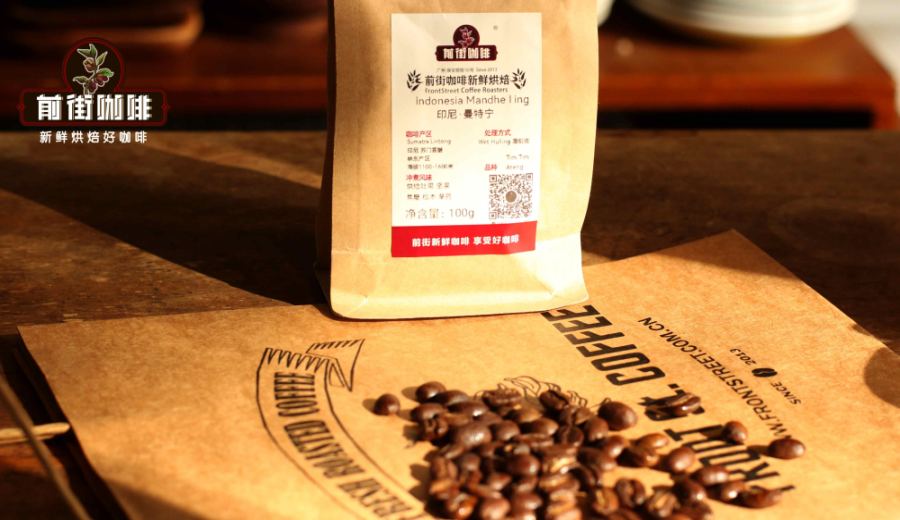
Introduction:As one of the most representative specialty coffees from Sumatra, Golden Mandheling is renowned for its rich and full-bodied flavor profile, as well as its distinctive aromas of spices, pine, and dark chocolate. This article delves into its origin background, quality selection criteria, and offers practical pour over brewing recommendations — including grind size, water temperature, coffee-to-water ratio, and a three-stage pouring technique — to help you master the brewing essentials of this classic coffee and bring out its layered herbal, caramel, and nutty notes.
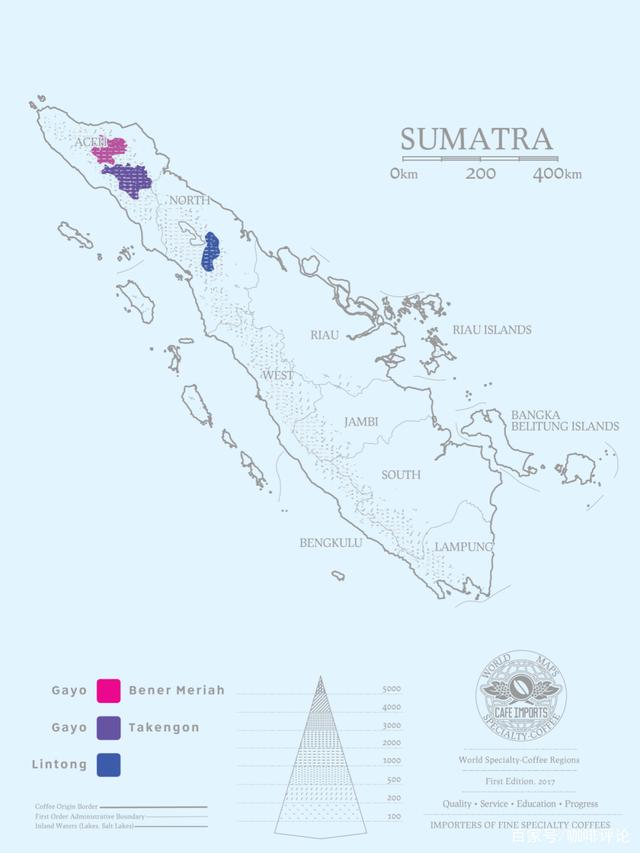
Golden Mandheling is one of the most iconic specialty coffees from the Lintong and Aceh regions of North Sumatra, Indonesia. It boasts a robust and solid mouthfeel, along with unforgettable notes of pine, spices, and dark chocolate. Gaining a deeper understanding of this classic coffee not only helps enthusiasts appreciate its unique regional characteristics but also teaches how proper roasting and pour over methods can fully unlock its delicate herbal, caramel, and nutty flavors, delivering a long-lasting, complex pour over experience.
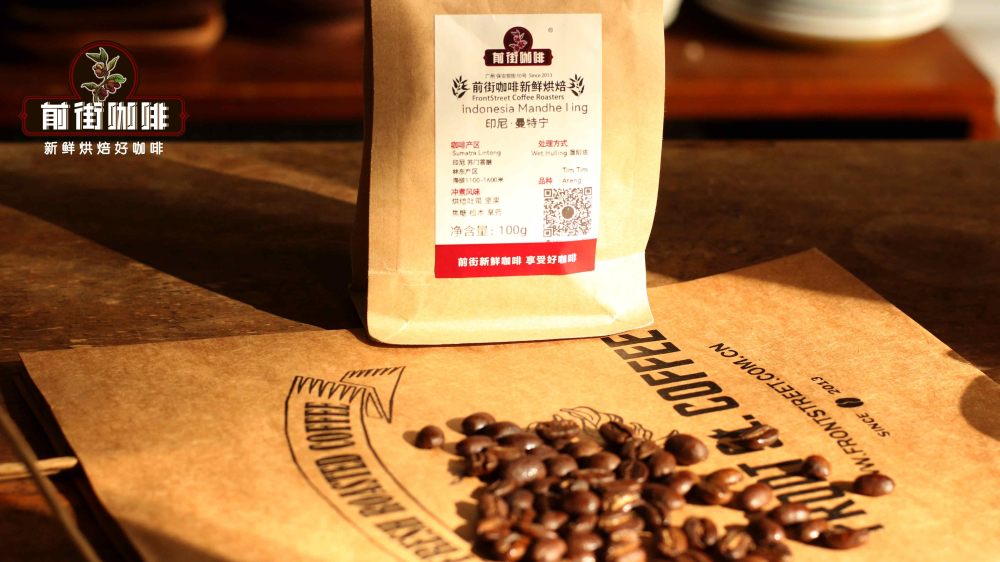
This coffee has a strong flavor profile and distinct personality, making it ideal for medium-dark roasting, which highlights its unique spicy and woody tones. With a full body and lingering aftertaste, it is an excellent choice both for beginners practicing flavor recognition and for those who enjoy bold black coffee.
When it comes to Mandheling, many people may wonder about its origins. In fact, the term "Mandheling" does not come from the Indonesian language but originates from an anecdote during World War II. It is said that a Japanese soldier, while in Indonesia, tasted an exceptionally good cup of coffee and mistakenly thought the shop owner was naming the origin of the beans when he actually referred to the local ethnic group, "Mandailing." After the war, the soldier ordered the coffee again upon returning to Japan, where it received widespread acclaim, and "Mandheling" thus became synonymous with high-quality Arabica coffee from Sumatra, a name that persists to this day.
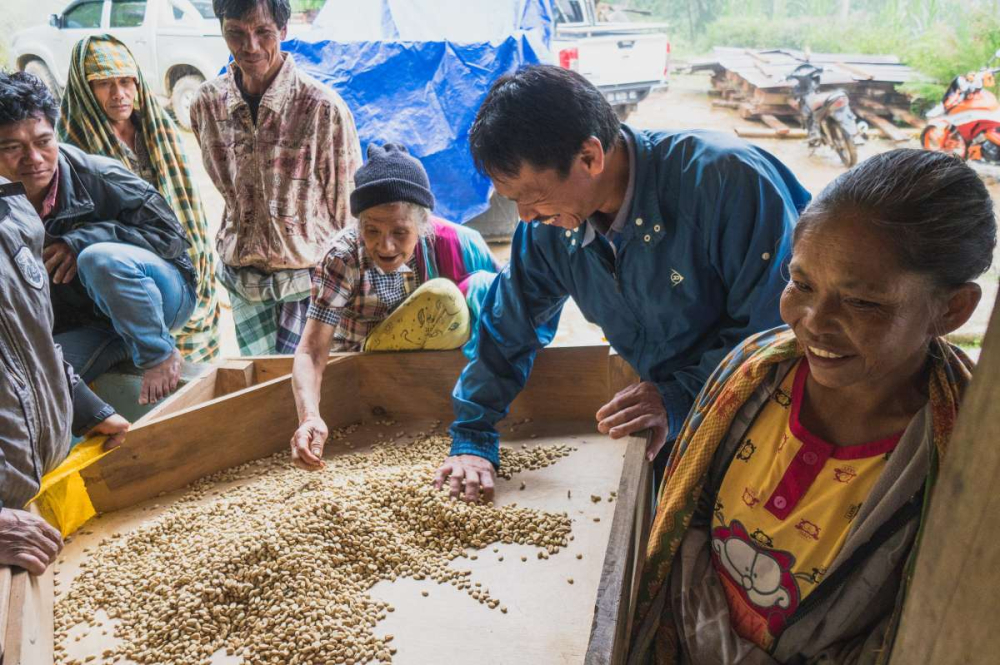
As the "Country of a Thousand Islands," Indonesia has a long history of coffee cultivation, dating back as early as 1696. The country’s coffee production is dominated by small family farms, most of which practice organic farming. Harvesting and selection are done manually, contributing to the high quality of the coffee. Sumatra is one of the main producing regions, especially the northern provinces of Aceh and North Sumatra (commonly abbreviated as North Su), which are surrounded by famous volcanic lakes such as Lake Toba and Lake Tawar. The fertile, mineral-rich soil produces coffee often characterized by natural notes of cream, chocolate, and earth.
Indonesia's official coffee grading system is primarily based on the number of defective beans and bean size, generally divided into six grades from G1 to G6. The fewer the defects and the larger the beans, the higher the grade. Among these, G1 is the highest grade, requiring strict standards: no live insects, no mold, moisture content controlled below 12.5%, and impurity ratio under 0.5%. Based on a 300-gram coffee bean sample, the fewer the defective beans, the higher the grade.
Among the many G1-grade Mandhelings, the Golden Mandheling produced by Indonesia’s Pawani Coffee Company (abbreviated as PWN) stands out as the crème de la crème of specialty coffees. PWN employs extremely rigorous selection processes for green beans. In addition to basic mechanical screening, it conducts three rounds of manual hand-picking to ensure almost all defective beans are removed, significantly improving overall quality and consistency. Moreover, density and color sorting are performed before packaging, ensuring each bean is uniformly bright and translucent, laying a solid foundation for subsequent roasting and extraction.
Precisely because PWN is the exclusive supplier of the highest-quality Mandheling in Indonesia, its Golden Mandheling enjoys highly positive reviews in the market. Not only has it achieved great success in the Japanese market, but it has also become the classic representation of Sumatran flavor in the eyes of coffee lovers worldwide. When properly roasted, this coffee exhibits exceptional clarity, with bright and distinct aromas, a noticeable sweetness on the palate, and a rich, multi-layered mouthfeel.
If you wish to brew a cup of Golden Mandheling at home that approaches the quality of a professional café, here are some practical pour over suggestions: It is recommended to use freshly roasted coffee beans, ideally within the 4th to 7th day after roasting, when the flavors are at their peak. If stored for more than a month and a half, the aroma may gradually diminish, and woody off-notes may emerge. It is best to choose beans roasted within five days and, factoring in shipping time, enjoy them immediately upon arrival.
Given the flavor profile of Golden Mandheling — including herbal, dark chocolate, caramel, nut, and pine notes — it is recommended to use a Kono filter. The Kono filter has ribs that cover only half the height of the cone, allowing the filter paper to adhere closely to the walls, effectively reducing airflow and extending the water absorption time of the coffee grounds. This results in a more even extraction and enhances the body. Additionally, the bottom groove design helps create a siphon effect, improving extraction efficiency.
Since Golden Mandheling is typically medium-dark roasted, the beans are looser and have a stronger water absorption capacity. Grinding too fine or using water that is too hot can easily lead to over-extraction, resulting in increased bitterness. Therefore, it is recommended to adjust the grind size to medium (with a reference of approximately 70% passing through a Chinese standard No. 20 sieve), and control the water temperature at 87~88°C to achieve the best balance.
The recommended brewing parameters are as follows: coffee dosage 15 grams, coffee-to-water ratio 1:15, total water volume of approximately 225 milliliters, with a medium grind size (close to the range commonly used for medium-dark pour over). Employing a three-stage pouring method can more effectively highlight the coffee’s layers and sweetness:
- First stage: Bloom pour 30 millilitersto allow the coffee grounds to degas and open up the flavor pathways;
- Second stage: Pour 100 milliliters, during which golden crema will appear and lift the coffee bed;
- Third stage: Use a gentle center pour to add 95 milliliters. Once the dripping is complete, remove the filter and gently swirl before enjoying.
The resulting Golden Mandheling delivers a bold entrance of spicy and herbal aromas, with a full-bodied mouthfeel and mild bitterness, yet balanced by delicate notes of caramel and chocolate. The finish resembles aged Pu-erh tea — long-lasting and layered — making it a classic Indonesian specialty coffee worthy of careful savoring.
The above content is compiled by CoffeeHunters, a coffee news website.


