







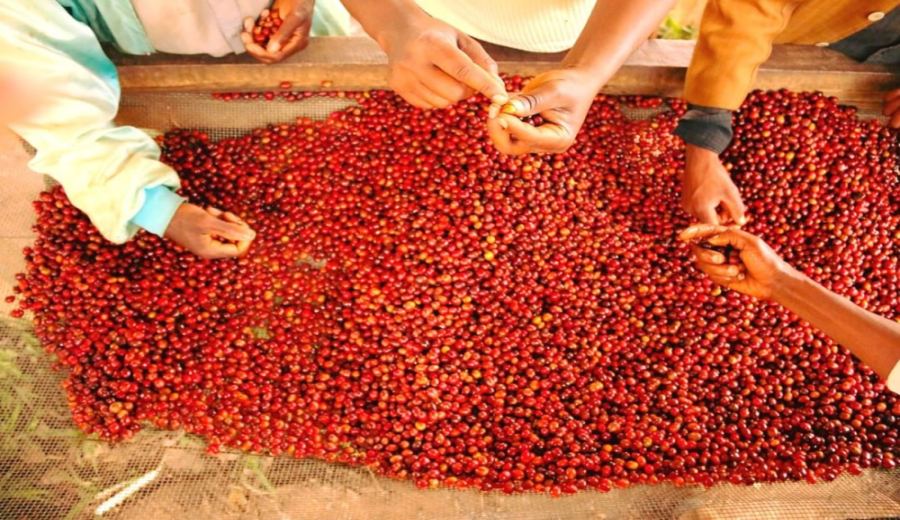
Introduction:Yirgacheffe coffee is a flagship specialty coffee from Ethiopia, renowned for its bright acidity and captivating floral and fruity aromas. This article will delve into the natural conditions of the region, the ECX grading system, the two primary processing methods—natural and washed—as well as provide practical pour over brewing tips and flavor analysis. Whether you’re a beginner or a seasoned coffee enthusiast, you’ll gain key insights into bean selection and brewing techniques.
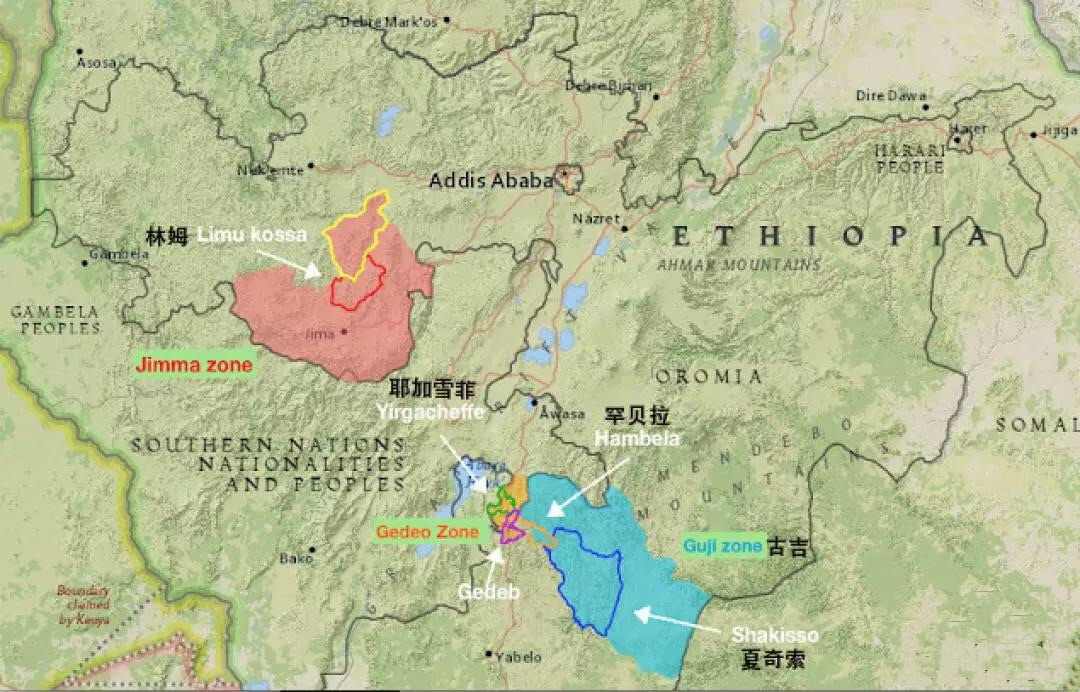
Yirgacheffe is a renowned coffee-growing region in the high-altitude southern part of Ethiopia, with an average elevation of around 2,000 meters. Its exceptional climate and soil conditions give rise to unique citrus, floral, and tea-like flavor profiles. Originally a sub-region under Sidamo, Yirgacheffe was later separated due to its exceptionally distinctive flavors and has since become a classic among global specialty coffee lovers.
The region encompasses several representative micro-regions, including Kochere, Wolisho, and Gedeb. Each is managed by local cooperatives, with production mainly carried out by smallholder farming families, resulting in coffees with distinct characteristics.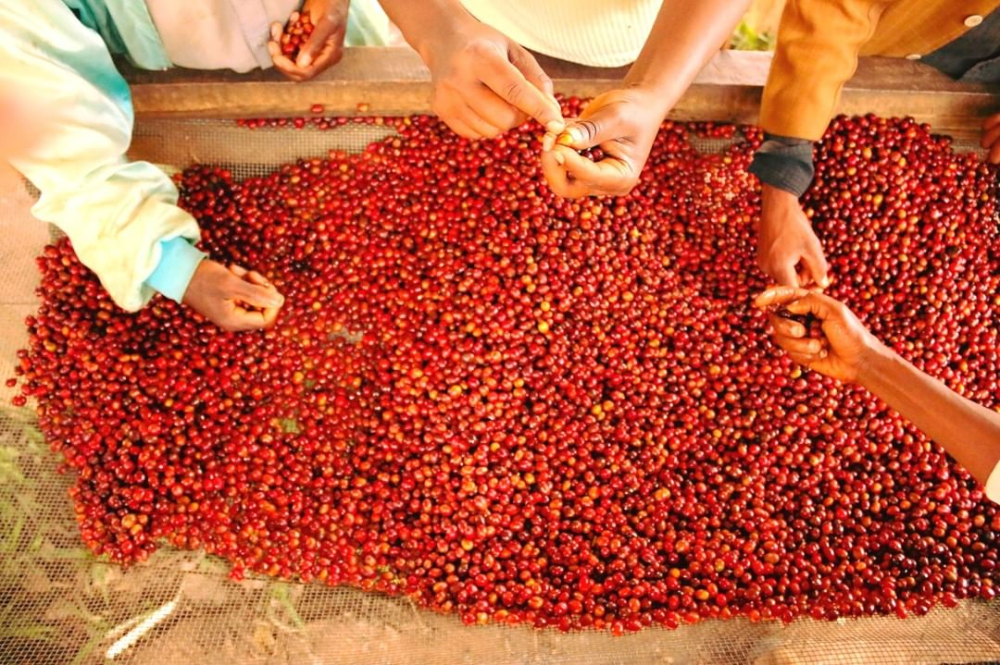
Yirgacheffe coffee can be broadly divided into two main processing types: washed and natural. The two differ significantly in flavor expression and serve as important references when making selections. Washed Yirgacheffe typically exhibits a clean, bright acidity with pronounced notes of lemon, jasmine, and tea. In contrast, natural processed Yirgacheffe, due to greater fermentation influence from retained fruit pulp, tends to have richer, more intense flavors often featuring tropical fruits, honey, and even subtle wine-like notes, delivering a layered taste profile.
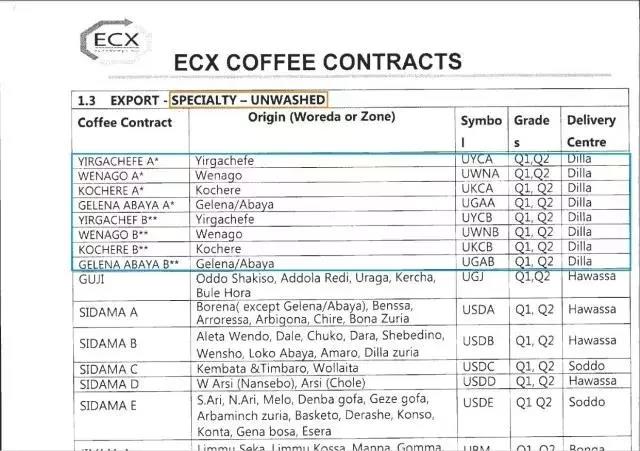
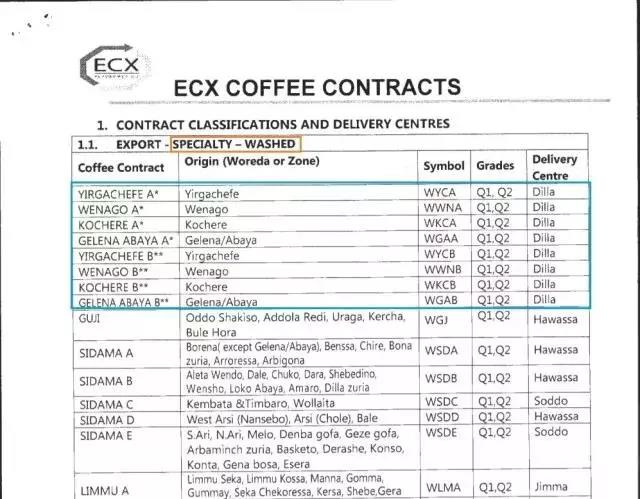
The Ethiopian Commodity Exchange (ECX) enforces a strict grading system for the country’s coffee, primarily based on two criteria: defect rate and cupping score. Beans with no more than 3 defects per 300 grams are classified as Grade 1 (G1), while those with 4–12 defects are Grade 2 (G2). For cupping, scores of 85 or above are categorized as Q1 (high-quality specialty beans), and scores between 80–84.75 as Q2. This grading approach helps consumers quickly understand the quality positioning of the coffee.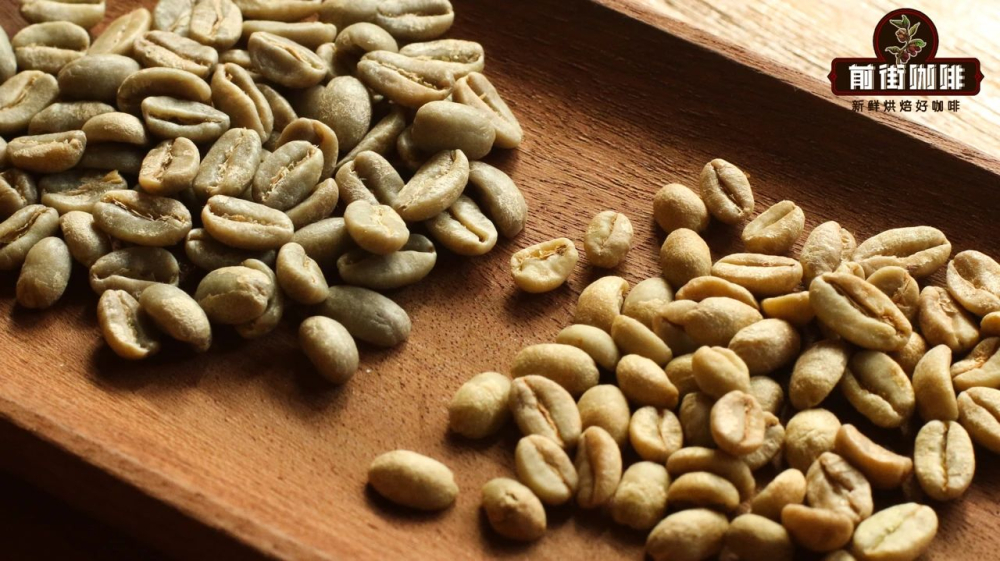
Traditionally, Ethiopian coffee was mostly processed using the natural method. However, since the introduction of washed processing technology in 1972, the proportion of washed coffee has gradually increased. Thanks to its cleaner and more consistent flavor profile post-processing, washed coffee has gained widespread market popularity. The washed method effectively removes pulp and impurities, resulting in a purer taste and brighter acidity. Nevertheless, some producers continue to refine the natural process—for example, by controlling the fermentation environment and carefully selecting ripe fruits—successfully improving the quality and consistency of natural beans, thus bringing this traditional craft back into favor.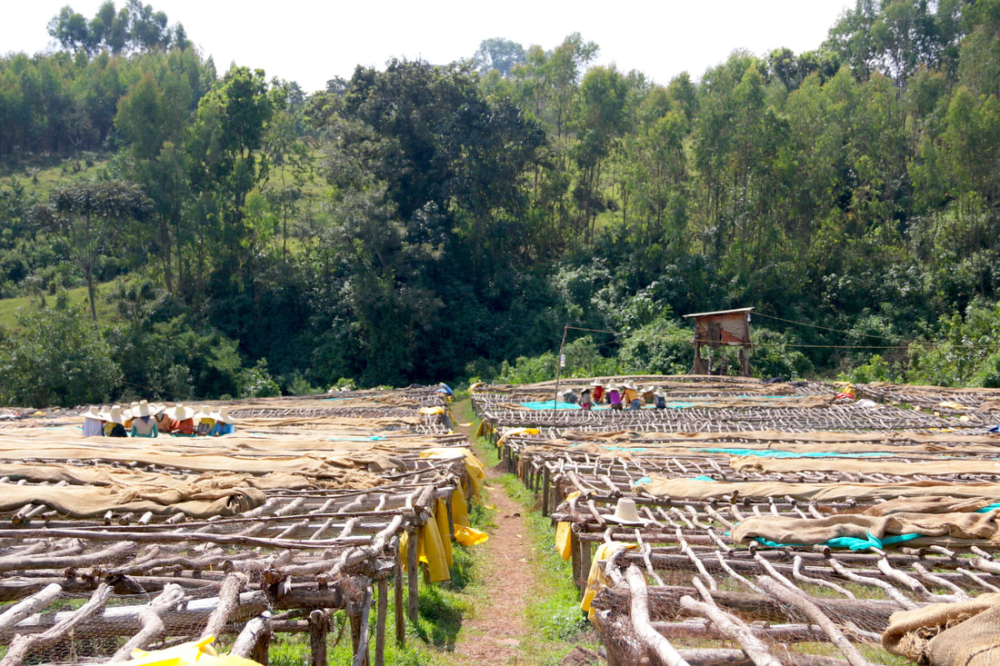
In terms of appearance, washed green beans usually exhibit a vivid green color, while natural beans tend to be more yellow-green. After roasting, washed beans have clearly visible silver skins, whereas natural beans have a smoother surface with almost no silver skin residue. These details serve as visual indicators to distinguish the processing methods.
Regarding roasting, Yirgacheffe coffee is best suited for light roasting to preserve its delicate floral and fruity aromas and vibrant acidity. Whether washed or natural, light roasting maximizes the expression of its refined citrus notes and tea-like aftertaste. Although medium to dark roasted Yirgacheffe can also be found on the market, such roasts typically sacrifice some acidity in favor of enhanced body and caramel sweetness, catering to those who prefer a bolder flavor profile.
For light-roasted Yirgacheffe, it is recommended to use a V60 filter cone for pour over brewing, with water temperature controlled at around 90°C. The suggested coffee-to-water ratio is 1:15—that is, 15 grams of coffee grounds to 225 milliliters of water. The grind size can be referenced to approximately 80% passing through a Chinese No. 20 sieve, equivalent to BG#5F. It’s advisable to pre-sift the grounds before grinding to ensure uniform particle size. If no sieve is available, the flow rate of water during pouring can be used as an indicator: too fast suggests the grind is too coarse, while too slow may indicate it’s too fine.
The recommended brewing process is as follows: first, pour hot water at twice the weight of the coffee dose (about 30 grams) for the bloom phase, lasting 30 seconds. Then, pour water in small circular motions up to 125 grams for the first pour. When the water level drops and is about to expose the coffee bed, pour again up to 225 grams to complete the extraction, keeping the total brew time around 2 minutes. This method effectively highlights the nuanced flavor layers of Yirgacheffe.
In terms of flavor, this washed Yirgacheffe features a profile dominated by bright lemon acidity and citrus aromas, with a clean and refreshing mouthfeel and a soft black tea-like finish. Meanwhile, the natural Yirgacheffe showcases more intense fruitiness, often accompanied by honey sweetness and subtle wine-like notes, with a gentler acidity and an overall rich, layered flavor. Both offer distinct experiences, allowing you to choose based on personal taste preference.
The above content is compiled by CoffeeHunters, a coffee news website.


