







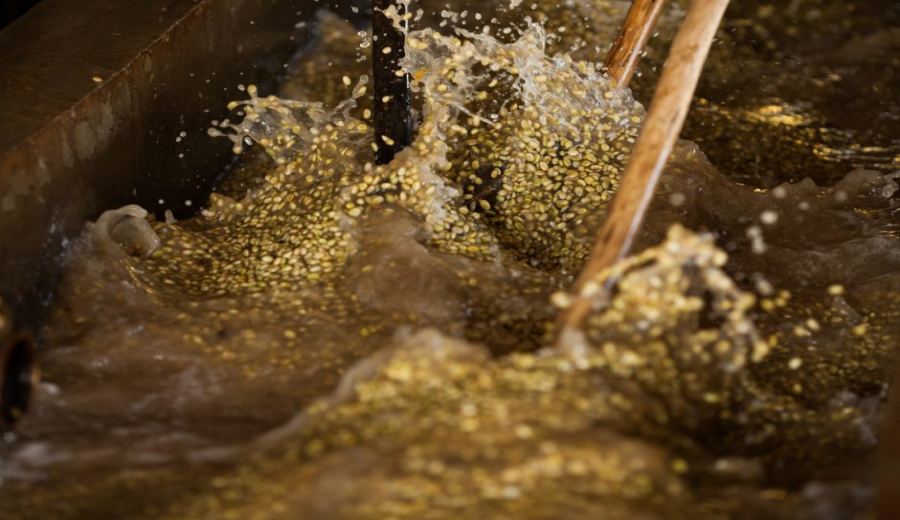
Introduction:Latin America is a key hub for specialty coffee globally. From Brazil’s rich chocolate notes, Colombia’s balanced nuttiness, to Panama’s bright Geisha acidity, each region boasts unique charm. This article delves into the regional characteristics, processing methods, and grading systems of major Latin American coffee-producing countries, offering practical pour over recommendations and flavor profiles to help you better understand how to select and brew your ideal Latin American beans.
The history of coffee cultivation in Latin America dates back to the 18th century. However, thanks to its exceptional geographical and climatic conditions, it quickly rose to become the heart of global specialty coffee. Latin American coffees are known for their balanced flavors and bright acidity, catering to both those who prefer bold body and those who enjoy refreshing fruitiness. This guide provides a comprehensive overview of the key Latin American coffee regions from Brazil to Panama, covering their characteristics, processing techniques, classification systems, along with recommended pour over parameters and flavor descriptions, offering an accessible yet insightful introduction to Latin American coffee for enthusiasts.
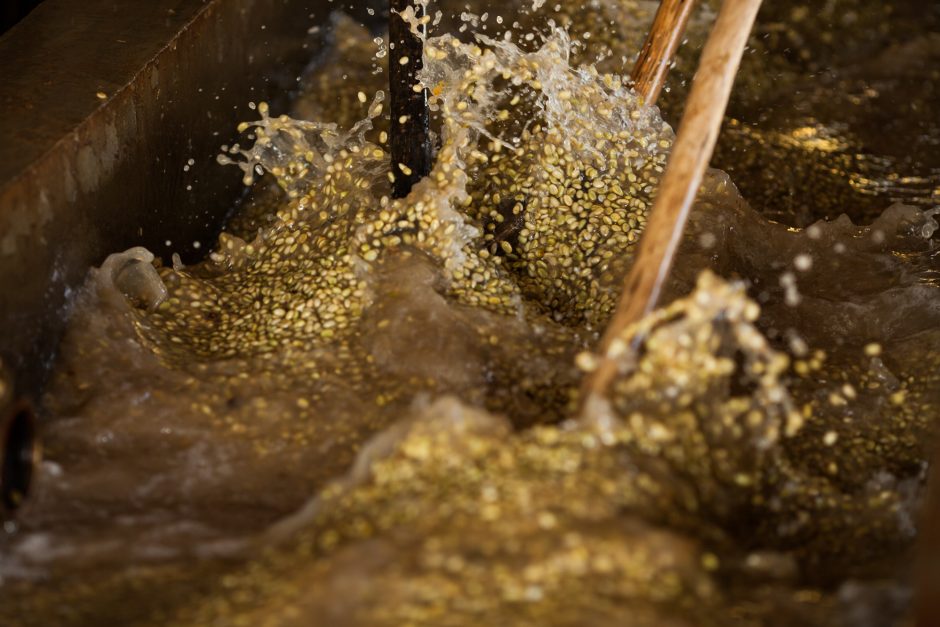
The rise of Latin American coffee is inseparable from its geography—ample sunlight, diverse microclimates, fertile soil, and high-altitude mountainous regions all contribute to beans with richly layered flavors. Brazil is renowned for its stable production and intense chocolate notes, Colombia is favored for its balanced taste and nutty aroma, while Panama has earned high international acclaim for its Geisha variety, celebrated for its bright acidity and floral-fruity complexity.
Common traits of Latin American coffee: Balanced acidity & sweetness, mature processing
The most distinctive feature of Latin American coffee is its balanced flavor—clean acidity that’s not overly sharp, pronounced sweetness, and a long-lasting aftertaste. Most regions favor washed processing, which helps maintain bean clarity and well-defined flavor profiles, while beans are typically larger with low defect rates. This processing method also makes Latin American coffee excellent for blends, often used as the base for espresso blends.
Brazil: World’s largest producer, representative of chocolate & nut tones
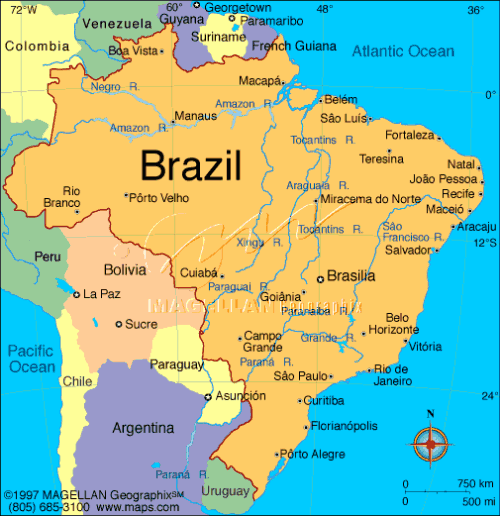
As the world’s largest coffee producer, Brazil offers a wide range of styles due to its varied terrain, with plantations spread across both low and high altitudes. Santos coffee is Brazil’s most iconic offering, known for its smooth profile, suitable for single-origin enjoyment or as a blend base. The Southern Minas region, at elevations of around 700–1200 meters, is among Brazil’s earliest coffee-growing areas. Today, mechanical harvesting is common here, yielding neutral flavors and good value.
Brazil’s grading system primarily considers bean size, defect rate, and flavor performance. Common grades range from NO.2 to NO.8, and NO.13 to NO.19. Processing methods vary, including natural, pulped natural, honey, and washed, with natural processing often highlighting rich caramel and nutty aromas.
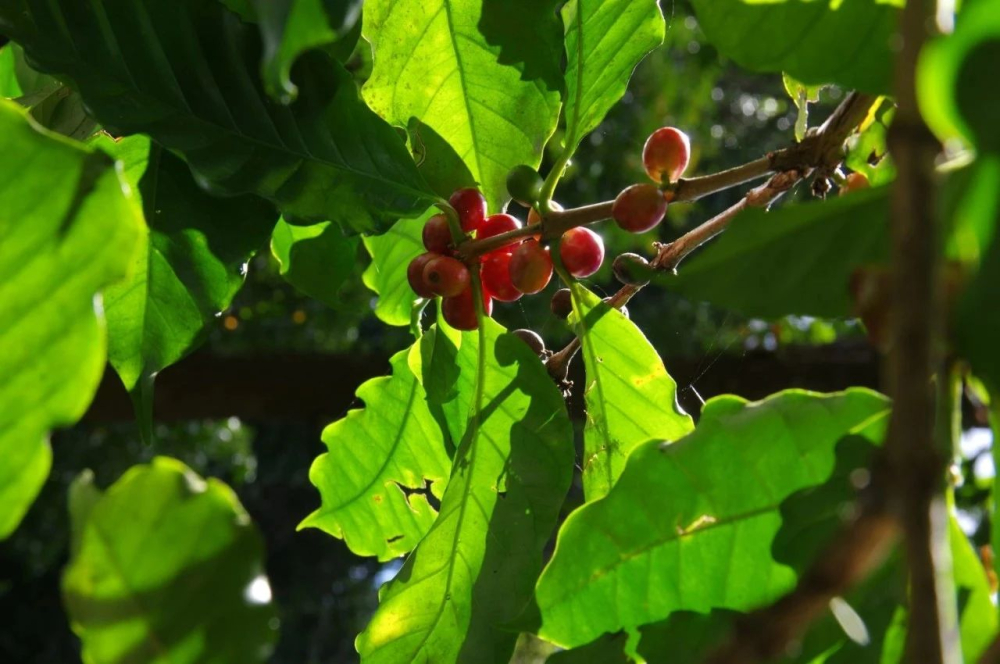
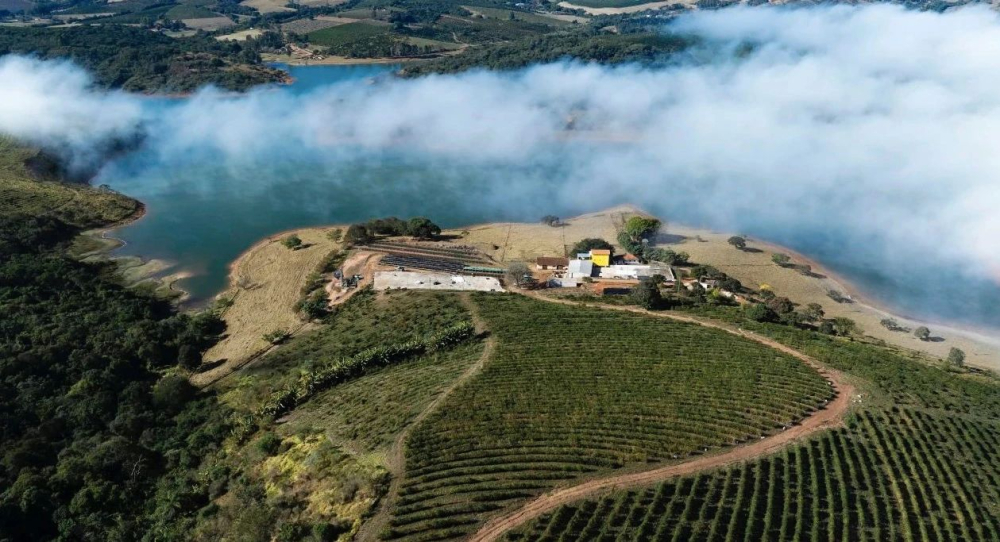
Recommended beans:Brazilian Queen Estate Yellow Bourbon, grown in Mogiana, São Paulo, at 1400–1950 meters altitude, using natural processing. Recommended pour over parameters: Kono dripper, 88°C, 15g coffee, 1:15 ratio, medium-fine grind (BG#6W), 2-minute brew with pulse pouring. Flavors showcase pronounced sweetness, lemon aroma, bold nuttiness, and a lingering dark chocolate finish, with an overall round mouthfeel.
Colombia: Balanced taste & classic MAM regions
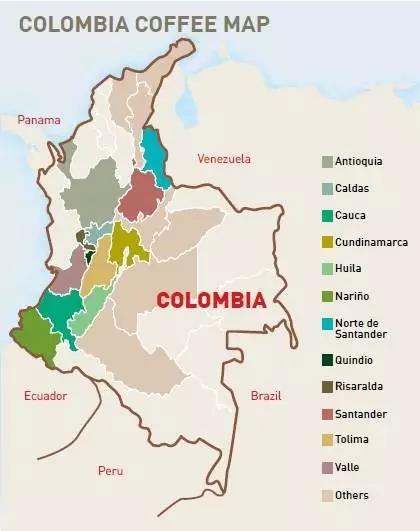
Colombian coffee is known for its balance, with diverse microclimates and high altitudes producing varied flavor profiles. Major regions such as Medellin, Armenia, and Manizales—collectively called MAM—yield smooth cups with notes of dark chocolate and nuts. Southern high-altitude areas like Huila are famed for their delicate berry acidity and caramel sweetness.
Colombian coffee is typically hand-picked and washed processed, ensuring clean cups and bright acidity. Its grading system is based on altitude and bean density, divided into Supremo and Excelso grades, with Supremo generally featuring larger beans and more concentrated flavors.
Recommended beans:Colombian Washed Huila, grown at 1500–1800 meters, variety Caturra. Recommended pour over parameters: KONO dripper, 90°C, 15g coffee, 1:15 ratio, medium-fine grind, 2-minute brew with pulse pouring. Flavors are well-balanced with standout sweetness, featuring distinct layers of dark chocolate, nuts, and caramel, alongside soft fruit acidity.
Honduras: Rising star in Central American specialty coffee
Honduras features two premium categories: High Grown and Strictly High Grown, with higher altitudes generally yielding more complex flavors. Its coffee is known for a full body and vibrant aroma, suitable for various roast levels, with medium roast particularly highlighting sweetness. In recent years, improvements in processing techniques and equipment have significantly elevated quality.
Recommended beans:Honduras Sherry Coffee Beans, from Mocha Estate in Masaguara, grown at 1500–1700 meters, varieties include Caturra, Catuai, and Pacas, processed via whiskey sherry cask fermentation. Recommended pour over parameters: Hario V60 dripper, 90°C, 15g coffee, 1:15 ratio, medium-fine grind, 2-minute brew with pulse pouring. Flavors include vanilla, cream, citrus, and berry acidity, with mid-palate almond and dark chocolate, and a maple-like sweet finish—clear and stable profile.
Panama: Home of Geisha, diverse flavors shaped by microclimates
Panama is world-renowned for its Geisha variety, which delivers exceptionally bright acidity and complex floral notes. Regions like Boquete and Volcan, influenced by varying microclimates, produce diverse flavor profiles. Geisha coffee demands stringent processing and cultivation, resulting in limited yield but highly distinctive flavors.
Key Panamanian regions include Boquete (1450m), Volcan (2000–3000m), Santa Clara (1500m), and Candela (1200m), with Volcan gaining attention for its high altitude and increasingly celebrated balanced profile.
Recommended beans:Panama Hartmann Coffee, from Hartmann Estate in Volcan, 1250–1700m altitude, variety Catuai, processed via red wine method. Recommended pour over parameters: Hario V60 dripper, 90°C, 15g coffee, 1:15 ratio, medium-fine grind, 2-minute brew with pulse pouring. Flavors present a full body, wine-like acidity and sweetness, tropical fruits, and honey aftertaste, with prominent brown sugar notes upon cooling.
Costa Rica: Pioneer of honey processing, crafted from high-altitude volcanic soil
Costa Rica produces coffee with intense flavors and bright acidity, thanks to its high-altitude volcanic soils. Its Strictly Hard Bean (SHB) grade, grown above 1200m, is of the highest quality. Honey processing is a hallmark, preserving pulp sweetness and adding fruity acidity, making it a favorite among pour over enthusiasts.
Recommended beans:Costa Rica Canet Estate Musician Series Mozart, from Tarrazú, 1950m altitude, varieties Caturra and Catuai, processed via raisin honey. Recommended pour over parameters: Hario V60 dripper, 90°C, 15g coffee, 1:15 ratio, medium-fine grind, 2-minute brew with pulse pouring. Flavors include complex florals, raisin sweetness, starfruit and berry acidity, with notable cane sugar sweetness.
The above is just a highlight of the main Latin American coffee regions. Every bean carries the dedication of local farmers and the gifts of nature. Whether you’re new to coffee or a seasoned enthusiast, understanding these regional traits will help you find the perfect Latin American cup to suit your taste.

The above content is compiled by CoffeeHunters, a coffee news website.


