








Introduction:Explore the Geisha coffee from Panama’s Boquete region — from its varietal origins, the three-color label grading system of Hacienda La Esmeralda, to how high-altitude microclimates shape its unique flavors. This article delves into the growing conditions of this specialty coffee, the auction-grade classifications, and provides practical pour-over brewing tips and parameters to help you fully appreciate the layers and charm of a top-tier Geisha.
Geisha (Geisha) coffee is arguably the crown jewel of the specialty coffee world. Having journeyed from Ethiopia’s pristine forests to Panama’s Hacienda La Esmeralda, it has won the hearts of coffee lovers worldwide with its distinctive aromatics and delicate flavor profile. This piece will take you on a deep dive into Geisha’s historical trajectory, analyze why it thrives in Panama’s Boquete region, explain the grading logic behind Hacienda La Esmeralda’s Red, Green, and Blue labels, and offer useful pour-over techniques and parameter suggestions to help you master this captivating coffee from variety to brew.
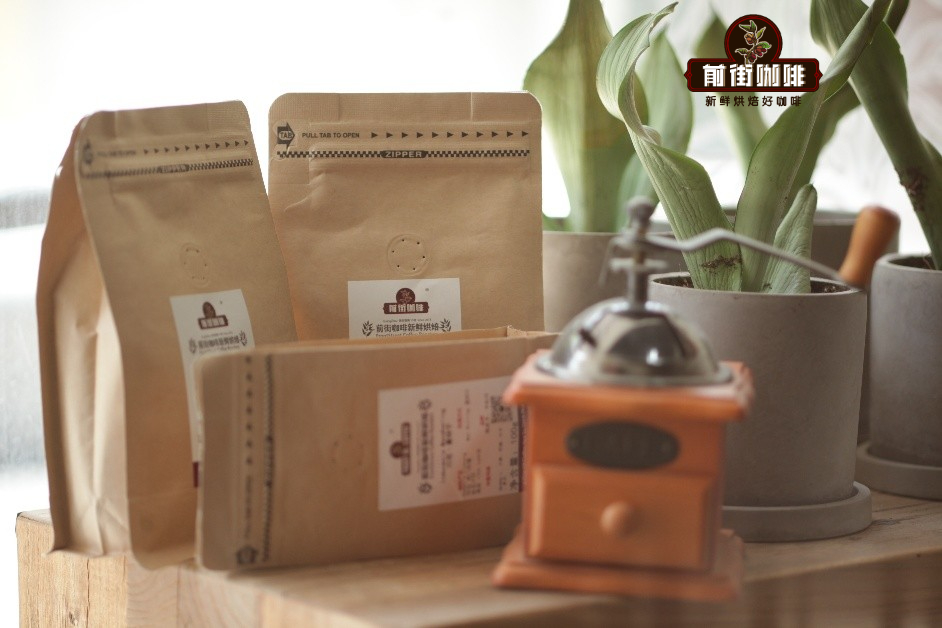
When it comes to Geisha, many people first think of its enchanting floral aroma and the prestige of Panama’s Hacienda La Esmeralda. How did this once-obscure variety rise to become one of the most sought-after coffees in the world in just over a decade? Behind its fame lies a legendary journey from breeding, accidental discovery, to international acclaim. Next, we’ll trace the “bean life” of Geisha and uncover the secrets behind its rise to stardom.
Geisha was first discovered in Ethiopia’s Geisha forest, but due to its scarce yield and low commercial value, it was sent to Kenya’s coffee research institutions as breeding material. In 1936, Uganda and Tanzania introduced these cultivated plants, but they showed mediocre performance and garnered little attention. It wasn’t until 1953 that Costa Rica began planting it and found it had strong wind resistance. Later, in 1970, Hacienda La Esmeralda in Panama planted it along the windbreak, where it initially served only as shade for other varieties.
The turning point came in 2003, when the owner’s son, while selecting green beans, was unexpectedly drawn to a unique floral aroma that traced back to the Geisha plants in the windbreak area. The following year, these beans participated in the Best of Panama (BOP) competition and won the championship, instantly gaining fame. Soon after, Geisha rapidly spread globally, with plantings in regions such as Guatemala, Honduras, and Colombia, yet Panama remains the unrivaled leader in flavor expression.
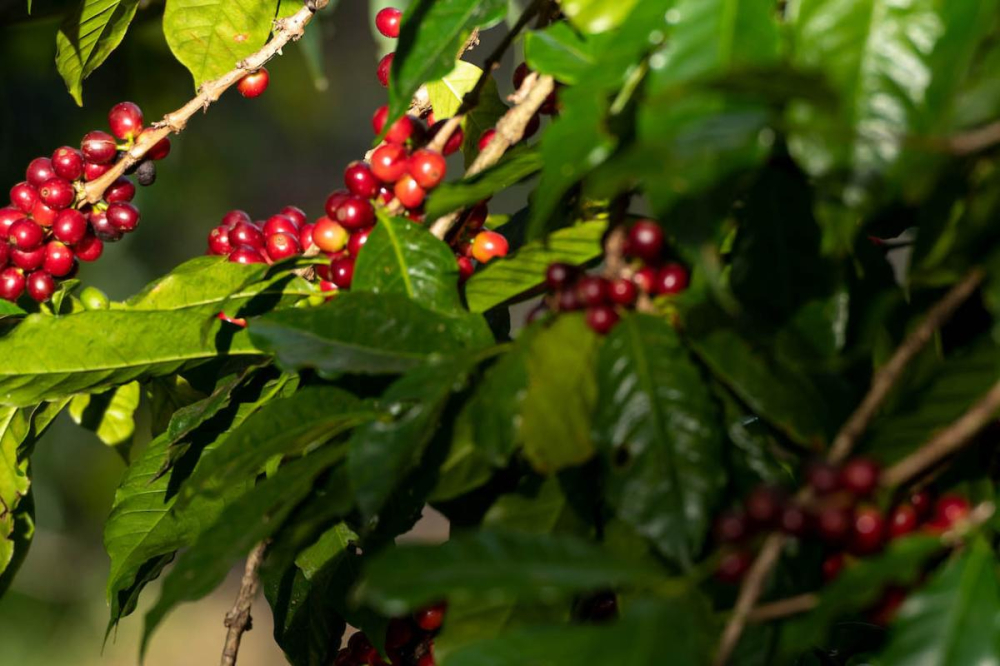
Why has Geisha consistently remained at the pinnacle of specialty coffee? This is inseparable from the rise of the third wave coffee movement. Consumers are paying more attention to flavor details, and lighter roasts have gradually replaced darker ones, allowing Geisha’s citrus acidity, floral notes, and tea-like sweetness to shine through. Additionally, Geisha is extremely particular about its environment — requiring high altitudes, foggy conditions, and fertile soil — coupled with challenging cultivation and harvesting, resulting in limited yields and naturally high prices.
Not all Geisha from every origin performs equally. Its elegant flavors depend on specific conditions: high altitude, significant day-night temperature variation, nutrient-rich soil, and good shading or microclimates. Hacienda La Esmeralda’s ability to grow premium Geisha is precisely because it is located in the Boquete region, at elevations between 1,400 to 1,800 meters, with cool climates and notable day-night temperature differences that help the coffee beans accumulate complex flavor compounds.
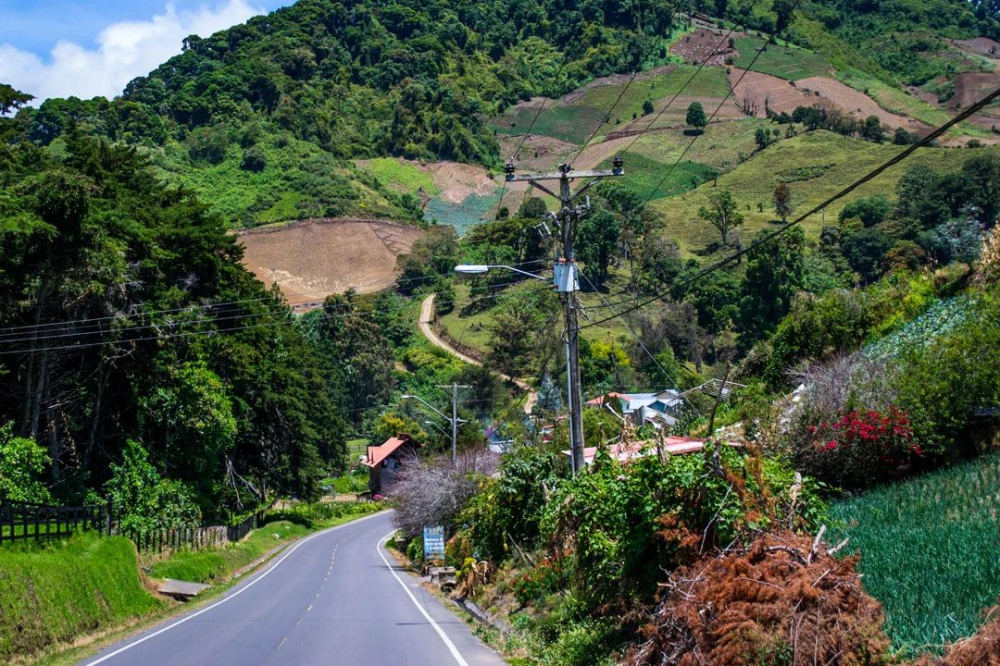
Panama’s Boquete region is one of the golden origins of Geisha coffee. Located in the Chiriquí Province near the border between Panama and Costa Rica, adjacent to the Barú Volcano, the soil here consists of fertile volcanic ash. Coupled with high altitude and diverse microclimates, it provides ideal conditions for coffee growth. The elevation range here is approximately 1,400 to 1,900 meters, nurturing not only Hacienda La Esmeralda but also well-known farms like Elida, Caturra Duncan, collectively building Panama’s reputation for specialty coffee.
Panama’s coffee grading system does not have a unified global standard but is instead established based on local conditions. Common grading criteria include altitude, bean size, and defect rate. In Panama, altitude is the key metric: coffee grown at higher altitudes matures more slowly, allowing it to accumulate more sugars and flavor compounds. Below is a general reference for Panama’s common coffee altitude grading:
Hacienda La Esmeralda has an even more detailed internal grading system for its Geisha, helping consumers identify the quality and origin of different grades:
- Blue Label Geisha (Geisha 1500): Grown at altitudes of 1,400 to 1,500 meters, a blend of Geisha from three sections — Jaramillo, El Velo, and Canas Verdes. A natural (sun-dried) version was previously released (in 2020), but this grade was discontinued in 2021.
- Green Label Geisha (Private Reserve): A blend of Geisha from various micro-sections, showcasing classic Geisha traits such as bright citrus acidity, floral and fruity aromas, and a light-bodied mouthfeel.
- Red Label Geisha (Selection): Sourced from high-altitude areas between 1,600 to 1,800 meters, often scoring over 90 points in cupping. Mainly from the Jaramillo and Canas Verdes sections, includes both washed and natural processed beans, with flavors dominated by jasmine, bergamot, and tropical fruits. Some lots are entered into auctions.
Multiple Geisha coffees from different regions in Panama exhibit rich layers of floral aroma, accompanied by citrus acidity, honey-like sweetness, and tea-like sweetness with a lingering finish. Some even carry an almond-like aftertaste. The higher the altitude, the finer and clearer the flavors tend to be.
If you’d like to brew Panamanian Geisha at home, the pour-over method is recommended to fully showcase its layers and nuances. The V60 dripper, with its 60-degree angle and spiral ribs, paired with a medium-fine grind (such as around 77% passing through a Chinese 20-mesh sieve), allows for stable extraction control and suits those seeking a clear flavor profile. For a fuller-bodied taste, the Kalita Wave is also a great option.
It is suggested to use the three-pour method: start with a 30g bloom for 30 seconds; then pour in small circles to reach 125g for the first pour, and when the water level is about to expose the coffee bed, continue pouring to 225g before stopping. Wait for the drip to finish before removing the dripper. Total brew time is around 2 minutes. The overall coffee-to-water ratio is recommended to be set between 1:15.5 and 1:16, with water temperature controlled at 90–91°C, helping to balance acidity, sweetness, and aroma without over-extraction or muddiness.
The above content is compiled by CoffeeHunters, a coffee news website.


