







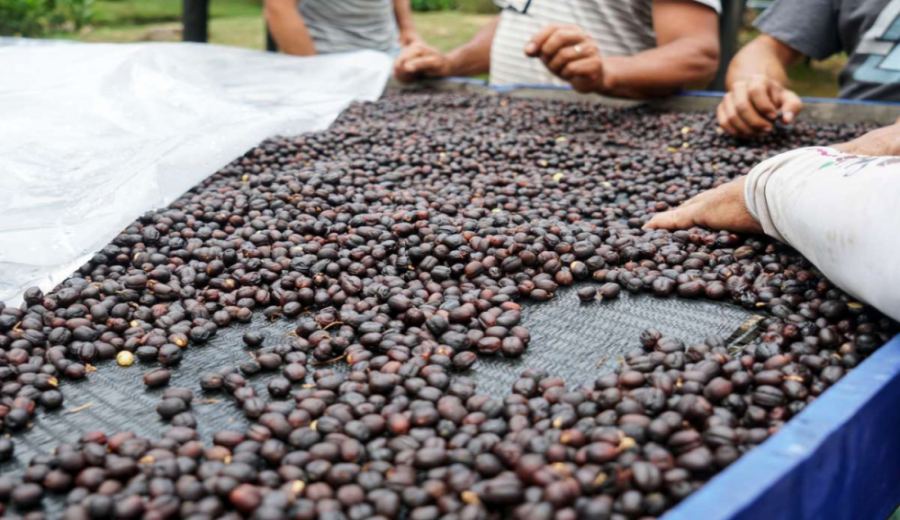
Introduction:Delve into the captivating allure of coffee from Costa Rica’s Tarrazú region, with a special focus on the premium beans processed using the raisin honey method at the Mirasol Estate. This article offers an in-depth exploration of the region’s geographical advantages, details of the honey processing technique, a comparison of different honey process styles, and practical V60 pour over parameters—helping you fully grasp this berry-sweet, floral-profiled coffee from flavor to brewing.
Costa Rica is renowned for producing coffee with sweet flavors and bright acidity, and the Tarrazú region is particularly celebrated as the cradle of many specialty coffees. This article provides a detailed introduction to the region’s representative honey-processed coffees, especially highlighting the unique berry and floral profiles achieved through the raisin honey process at the Mirasol Estate. It also explores the area’s geographical conditions, the evolution of processing techniques, and the grading system, while offering V60 pour over recommendations tailored to these beans—helping coffee enthusiasts fully understand and enjoy this high-altitude specialty.
Although Costa Rica’s coffee-growing history dates back three centuries, its modern cultivation and processing techniques were gradually established over the past two hundred years. The country has built a globally recognized high standard, especially in coffee quality control and innovative processing methods. Around 1830, the washed process was introduced, laying the foundation for future diverse processing techniques. As market demand for sweetness and fruity notes grew, farmers began experimenting by combining the strengths of natural and washed processes, eventually developing honey processing as a middle-ground approach.
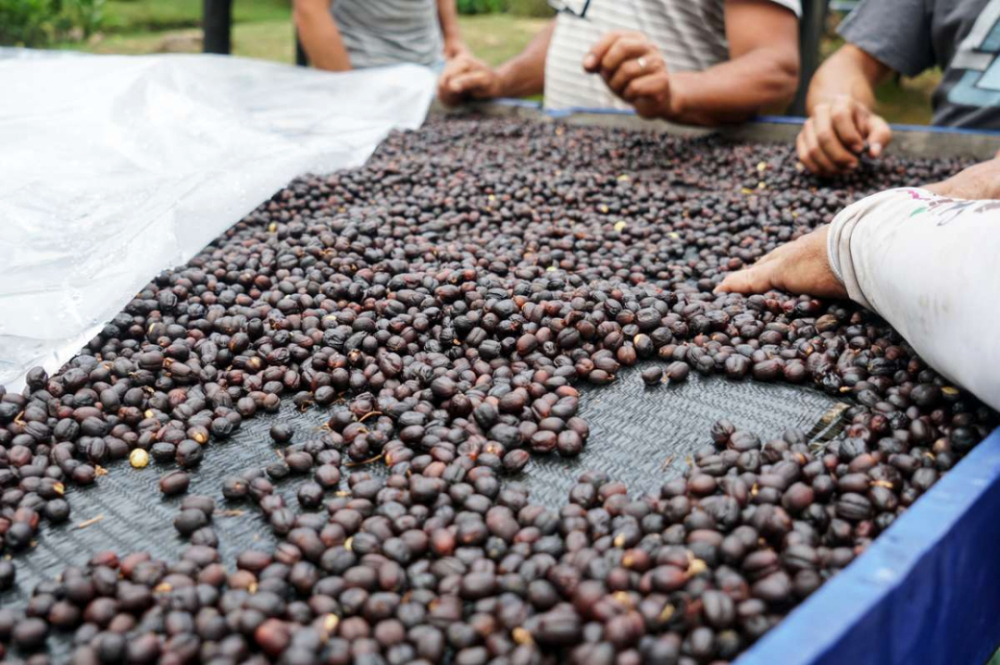
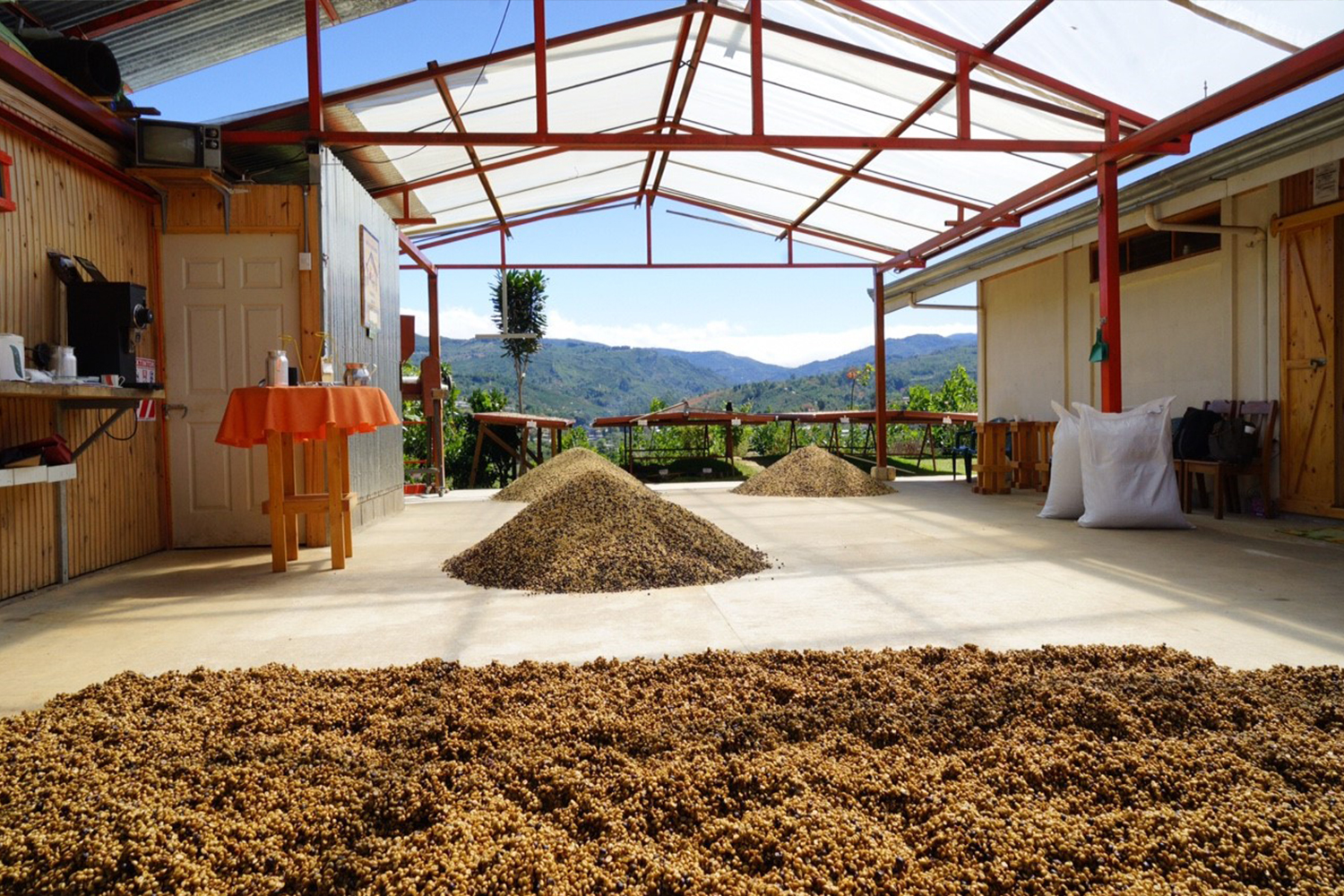
Honey processing refers to the method where, after removing the outer skin and pulp of the coffee cherry, the sticky mucilage layer is deliberately retained. The beans are then naturally dried in shaded, well-ventilated environments for typically 12 to 14 days. Throughout this period, the natural sugars and enzymes within the mucilage continue to act, imparting intense sweetness and fermented aromas to the coffee—one key reason why Costa Rican coffee is so widely loved. Depending on the amount of mucilage retained and the drying method used, honey processing is further divided into black honey, red honey, gold honey, yellow honey, and white honey—each significantly influencing the final flavor profile.
Among them, raisin honey processing is an even more unique variation. Its process differs from traditional honey processing: first, the whole coffee fruit is sun-dried until it shrinks and wrinkles like raisins, at which point the mucilage becomes highly concentrated. Then, the outer skin and pulp are removed, and 100% of the mucilage is preserved for subsequent secondary drying, with the goal of stabilizing the green bean moisture content around 11%. This method not only extends the interaction time between the mucilage and the seed but also results in a coffee with richer sweetness and more complex layers.
Take the renowned Mirasol Estate in the Tarrazú region as an example. This blend, processed via raisin honey, combines multiple varieties including Geisha, ET47, SL28, and MAICO, grown at an altitude of about 1700 meters. Tarrazú is not only one of Costa Rica’s most important specialty coffee regions, but its production also accounts for approximately 35% of the nation’s total output. Located in the Central Valley, the region enjoys distinct wet and dry seasons, fertile volcanic soils, and a high-altitude environment ranging from 1200 to 1800 meters—providing ideal growing conditions that yield coffee with soft acidity, full flavor, and layered complexity. The name “Tarrazú” originates from the ancient Guaymi Indigenous tribe that once inhabited the area.

Costa Rica’s coffee grading system is notably rigorous, primarily based on two criteria: altitude and the percentage of defective beans. In the high-altitude classification, SHB (Strictly Hard Bean) indicates beans grown at elevations above 1200 meters, typically characterized by richer flavors and firmer acidity; HB (Hard Bean) refers to beans from slightly lower altitudes. Additionally, defect grading includes EP (European Preparation) and USP (U.S. Preparation), with EP having stricter tolerance for defects and higher quality requirements. The Mirasol coffee featured in this article is of SHB EP grade—a commercially recognized high-quality large-lot offering.
Costa Rica’s ability to grow such exceptional coffee is due not only to its blessed volcanic soils and distinct seasonal climate but also to the government’s long-term commitment to supporting the coffee industry. The mild climate, abundant rainfall, and well-drained, mineral-rich soils provide nearly perfect growing conditions for Arabica. Particularly in high-altitude areas like Tarrazú, significant day-night temperature variations help the beans accumulate a wealth of flavor compounds, resulting in clear yet non-abrasive acidity, as well as an optimal balance between sweetness and body.
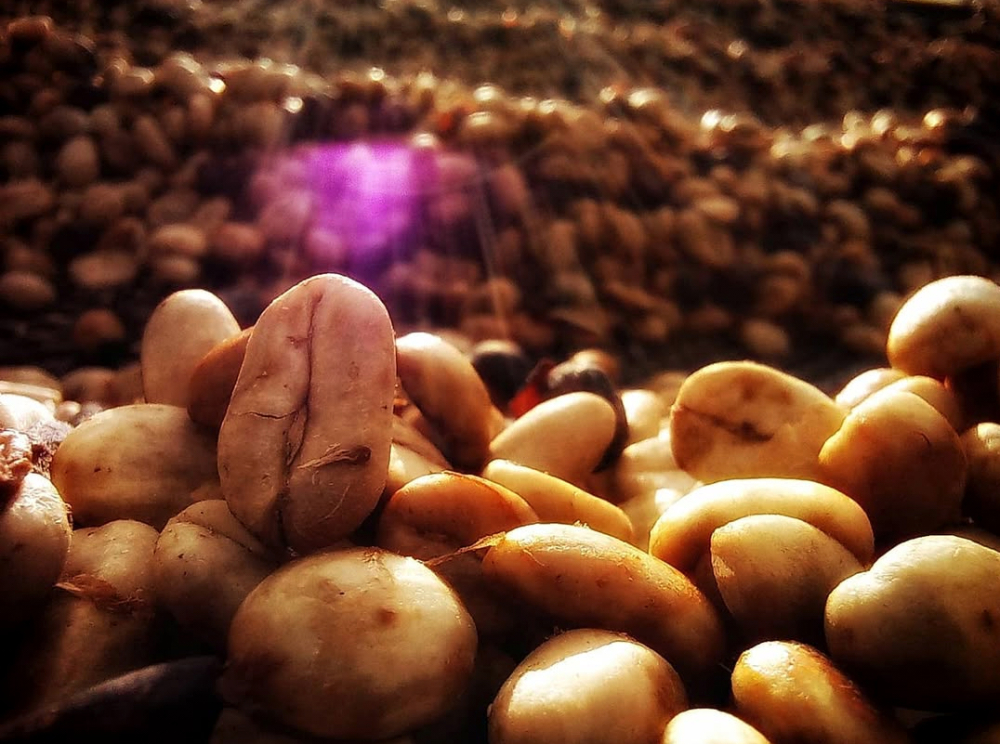
This raisin honey-processed coffee from the Mirasol Estate is the result of planting and processing R&D led by estate owner Esteban, who holds a PhD in coffee. Among the blend’s varieties, Geisha deserves special mention. Originally discovered in Ethiopia’s Gesha Forest in 1931, Geisha later traveled through Kenya, Uganda, and Tanzania before being introduced to Costa Rica in 1953. This variety demands high-altitude growth, ample cloud cover, and fertile soil—but in return, it delivers unmistakable floral notes, citrus tones, and a sweet berry finish. This raisin honey-processed Geisha blend opens with pronounced floral aromas, followed by a cup brimming with rich berry sweetness and soft acidity, showcasing a layered flavor profile and a long-lasting finish.
If you’d like to brew this coffee at home using a pour over method, we recommend using a V60 filter cone with the following parameters to fully highlight its characteristics: set the water temperature to 90°C, use about 15 grams of coffee, and maintain a 1:15 coffee-to-water ratio. Grind size should be adjusted to approximately 78% extraction through a Chinese Standard No. 20 sieve—that is, medium-fine. Begin brewing with a 30-second bloom using 30 grams of water, then pour in a slow, circular motion. At 125 grams of water, perform the first pour. When the water level is about to expose the coffee bed, continue pouring until you reach 225 grams, then stop. Once the water level drops and is about to expose the bed again, remove the V60. The total brew time should be around 2 minutes. These parameters will effectively bring out the coffee’s floral notes, berry sweetness, and delicate body texture.
The above content is compiled by CoffeeHunters, a coffee news website.


