








Introduction:Americano is one of the most common types of black coffee, yet many people still have only a vague understanding of how it differs from espresso. This article delves into the definitions, brewing methods, and flavor profiles of both, and provides classic Americano brewing parameters and techniques to help you better appreciate the charm and differences of this classic beverage.
Americano can be said to be the most well-known type of black coffee, but what exactly sets it apart from espresso? From origins and brewing methods to flavor expression, this article will take you on a comprehensive exploration of all aspects of Americano, using practical parameters and case studies to illustrate how to brew the perfect cup of Americano.
First, it's important to clarify a common misconception: Americano is a variation of espresso-based coffee, but espresso-based does not mean it is Americano. Americano is essentially made by diluting espresso with hot or cold water. There are several theories about the origin of this drink—one suggests that during World War II, American soldiers found Italian espresso too strong for their taste, so they added water to weaken it, eventually leading to what we now call Americano. Another theory claims that after Starbucks introduced espresso technology, they diluted the espresso to suit the American palate.
In the United States, preferences for the strength of Americano vary across different regions and demographics. For example, consumers on the East Coast typically prefer stronger coffee, while those on the West Coast tend to favor a milder brew. Additionally, the South generally serves coffee stronger than the North, and Southern European and Latino communities also prefer bolder flavors compared to British, German, or Nordic immigrants. Americans generally have a more casual attitude toward coffee, which has helped make Americano an indispensable part of their daily lives.

Interestingly, although the term "Americano" originates from the concept of diluting espresso with water, in most American homes, people actually use electric drip coffee makers (drip coffee machines) to make what they call "Americano." The coffee brewed by these machines also delivers a rich flavor and is convenient to use, thus widely regarded as the representative of Americano. In fact, any black coffee that ends up tasting relatively mild—regardless of the brewing method—is commonly referred to as Americano by Americans.
So, how is a true espresso-based Americano actually made? The traditional method involves using an espresso machine to9barextract a double shot of espresso undera pressure ratio of 1:4 to 1:9by adding hot or cold water. This ratio can be flexibly adjusted according to personal taste—those who prefer a stronger flavor can choose a smaller water ratio, such as 1:4, while those who prefer a milder taste can go up to 1:9.
When selecting coffee beans, it’s recommended to use a blend ofColombian and Brazilianbeans. This type of blend, when used for espresso, can showcase complex flavors including nuts, berries, cocoa, and caramel. The recommended extraction parameters are: using20 grams of coffee grounds to extract 40 grams of espresso, a ratio that helps achieve a balanced and rich base.
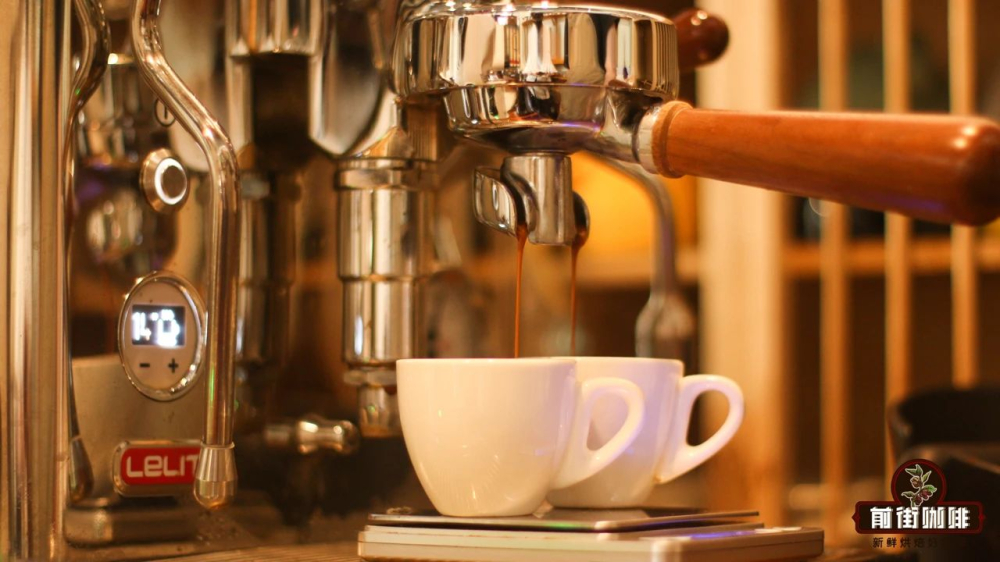
When this blend is used to make hot Americano, its flavor often features a pronounced hazelnut aroma, accompanied by a hint of berry acidity and a chocolatey finish, resulting in a smooth and layered mouthfeel. If used to make iced Americano, the acidity becomes brighter but not overly sharp, while the nutty and dark chocolate aftertaste lingers longer on the palate, making it especially suitable for summer consumption.
In summary, although Americano may seem simple, it carries a rich historical background and detailed brewing nuances. Whether you prefer it hot or iced, understanding the correct extraction ratios and bean selection can help you easily brew a near-professional-grade Americano at home.
The above content is compiled by CoffeeHunters, a coffee news website.


