







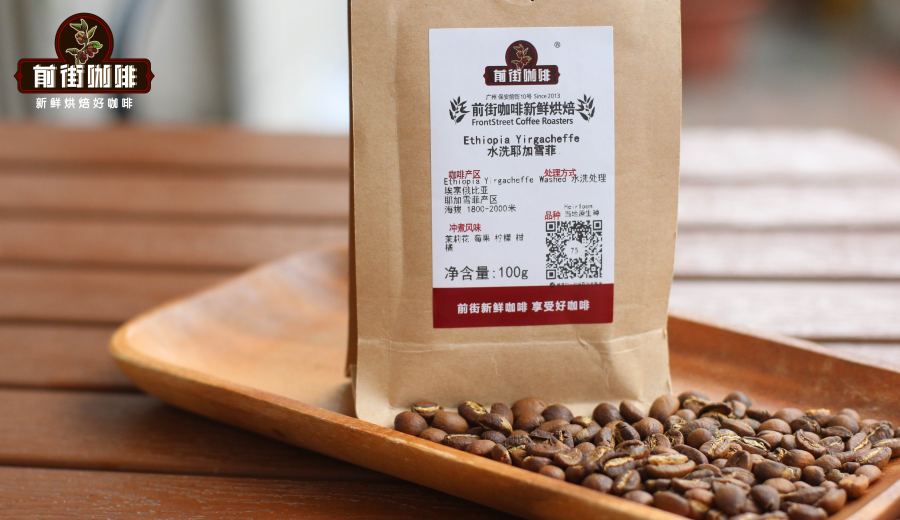
Introduction:Dive deep into the varietal characteristics of Ethiopian Yirgacheffe coffee beans, the ECX grading standards, and the origins of its world-renowned citrus and floral flavors. This article starts with the native Heirloom variety, analyzes how washed processing shapes its unique taste profile, and provides detailed pour over recommendations and step-by-step instructions to help you master the key to brewing a bright and refreshing cup of Yirgacheffe.
Yirgacheffe is one of Ethiopia’s most iconic specialty coffee regions. Although its beans may vary in size, they often harbor exceptional flavors. Many consumers notice inconsistent bean sizes upon purchase and wonder if this affects quality. In fact, this is related to the region’s diverse and undifferentiated varietal cultivation practices. This article will thoroughly examine Yirgacheffe’s varietal background, regional flavor characteristics, the grading criteria under the ECX system, and provide a complete set of extraction parameters and operational suggestions through an actual pour over case study.
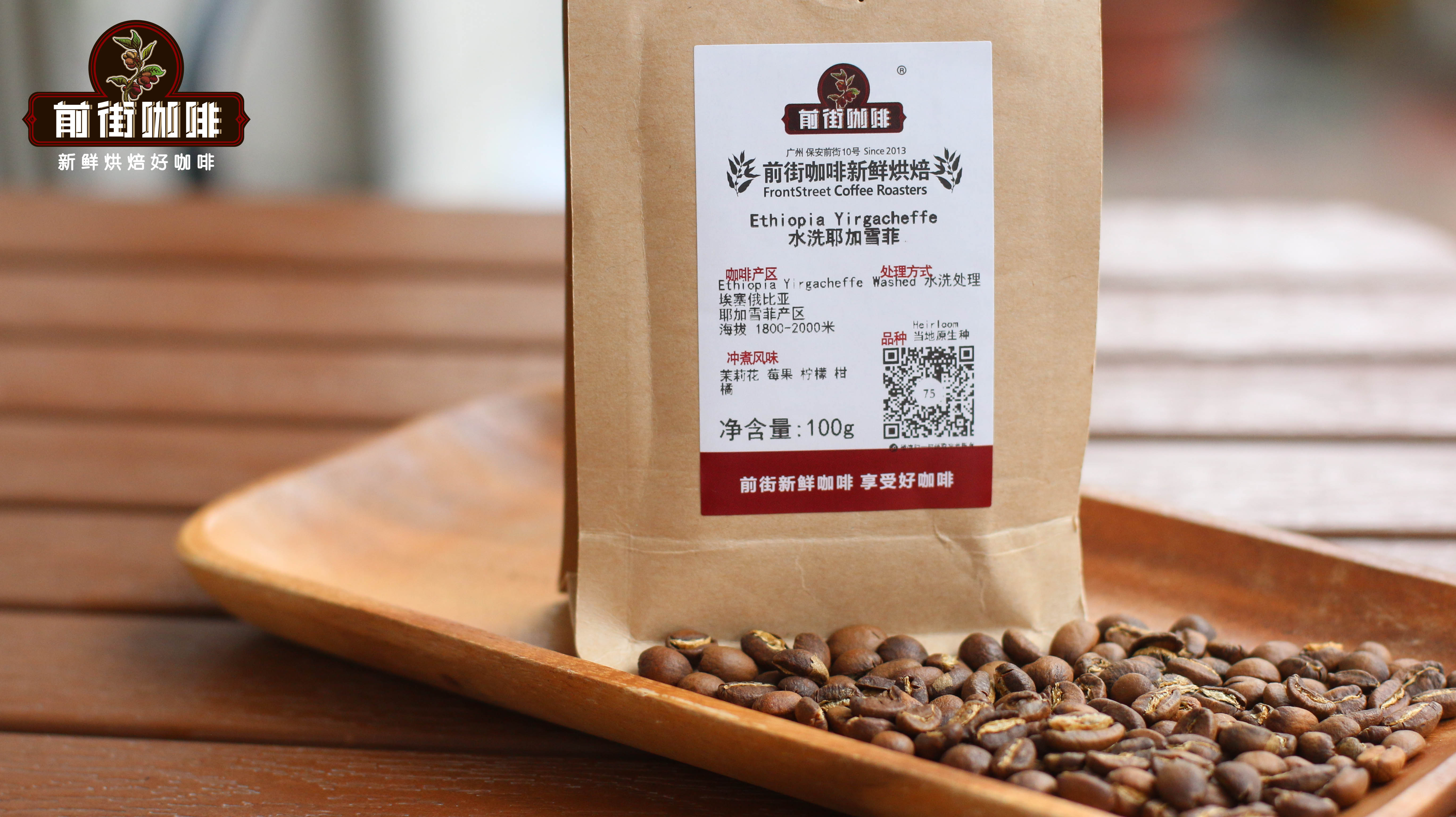
As the birthplace of coffee, Ethiopia boasts the world’s richest coffee gene pool. The local native varieties are collectively referred to as Heirloom, meaning “family heirloom,” which refers to ancient varieties that have existed for a long time but have not been commercially improved. It is currently estimated that there are still about 10,000 to 15,000 varieties in the region that have not been officially named. These native varieties can be broadly divided into two categories: JARC varieties, cultivated by the Jimma Agricultural Research Center with specific disease resistance or high-yield traits, and local varieties that grow entirely in natural environments. Most farmers today still primarily cultivate local varieties. Although it is difficult to distinguish them individually in the field, these varieties differ in aroma, flavor, disease resistance, and yield, which directly influence the final cup profile.
The reason Yirgacheffe has become a dream origin for specialty coffee enthusiasts lies in its consistent and unforgettable flavor profile—bright citrus acidity, delicate floral notes, tea-like mouthfeel, and layered sweetness. All of this is inseparable from the region’s climate, high-altitude environment, and the widely used washed processing method.
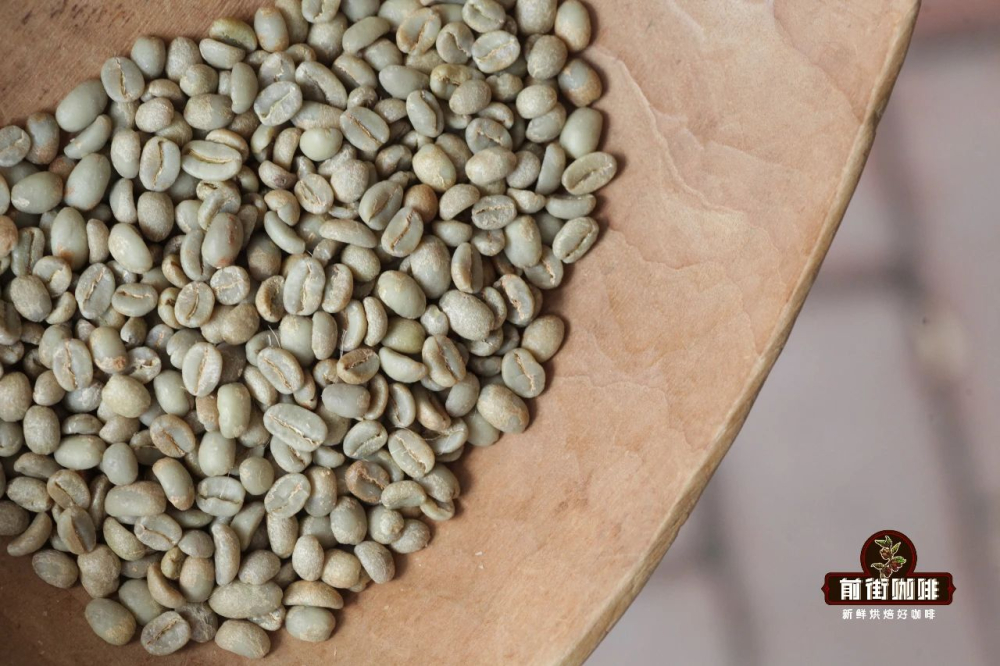
The washed processing procedure for Yirgacheffe is quite meticulous: harvested coffee cherries are first floated to remove unripe ones, then depulped to remove the skin and flesh, followed by fermentation in tanks for 18 to 36 hours to break down the mucilage. After fermentation, the parchment coffee undergoes prolonged washing and brushing, using water flow to eliminate lower-density defective beans, before the selected beans are evenly spread on African drying beds. This processing method maximizes the retention of the coffee’s inherent aromas and acidity, resulting in Yirgacheffe’s distinctive citrus, lemon, white floral, and refreshing tea-like aftertaste. It’s worth noting that, in addition to Yirgacheffe town itself, neighboring areas such as Wenago, Gelena Abaya, and Kochere, which produce coffee with similar profiles, can also be categorized under the "Yirgacheffe flavor" umbrella.
To regulate coffee quality, Ethiopia launched the ECX (Ethiopian Commodity Exchange) grading system in 2009. This system first categorizes coffee into sun-dried and washed based on processing method, then evaluates them based on defect rate and cupping score. During the defect inspection phase, a 300-gram sample with no more than 3 defective beans qualifies as the highest grade G1, while 4 to 12 defective beans result in grade G2. For cupping scores, the U.S. Specialty Coffee Association (SCAA) standards are referenced, with scores above 85 classified as Q1 grade, and 80 to 84.75 as Q2 grade. Most Yirgacheffe coffees labeled as G1 grade, such as those from well-known producing areas like Guji Dingding Cooperative, Red Cherry, and Konga Village, demonstrate extremely high flavor purity and consistency.
To fully express the delicate flavors of Yirgacheffe, setting the right pour over parameters is crucial. Below, taking a commonly available medium-light roasted washed Yirgacheffe as an example, we’ll outline the key brewing variables and recommended procedures.
1. Water Temperature:It is recommended to maintain a temperature between 91 to 92°C. This range helps highlight the bright acidity of berries and citrus without over-extracting and causing bitterness.
2. Grind Size:Since Yirgacheffe is mostly grown at high altitudes with hard and dense beans, a medium-fine grind is recommended—approximately an 80% pass rate through a Chinese No. 20 sieve or around a 10 setting on an EK43 grinder—to balance extraction efficiency and detail expression.
3. Coffee-to-Water Ratio:A golden ratio of 1:15 is recommended, meaning 15 grams of coffee grounds to 225 milliliters of water. This ratio highlights clear fruit tones and a soft sweetness, ideal for those who prefer a “light and refreshing” style.
4. Pouring Technique:Using a three-stage pouring method with a flat-bottomed filter (such as a V60), helps achieve even extraction and sustain a tea-like aftertaste. Begin with a 30-second bloom using 30 grams of water to activate the coffee; then pour 120 grams of water with a small, circular motion, completing this stage around the 1:05 mark to enhance bed expansion and extraction; finally, slowly pour the remaining 90 grams, totaling 240 grams of water, with an overall brew time of approximately 2:20. Maintain a steady and fine water flow throughout to avoid disrupting the coffee bed structure, ensuring the delicate floral, citrus, grapefruit peel, and Asian pear tea-like finish shine through.
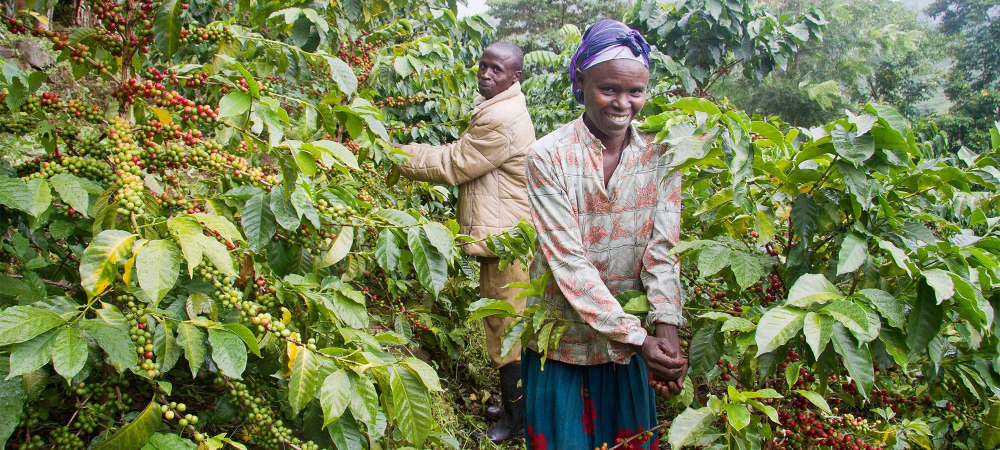
In summary, Yirgacheffe is not only a symbol of Ethiopia’s specialty coffee but also a classic representation of acidity and floral notes for coffee lovers worldwide. From understanding the diverse genetics of the native Heirloom variety, to grasping the quality logic behind the ECX grading system, to mastering every detail in the actual pour over process—each step is key to unlocking the full potential of this “floral tea in coffee form.”
The above content is compiled by CoffeeHunters, a coffee news website.


