







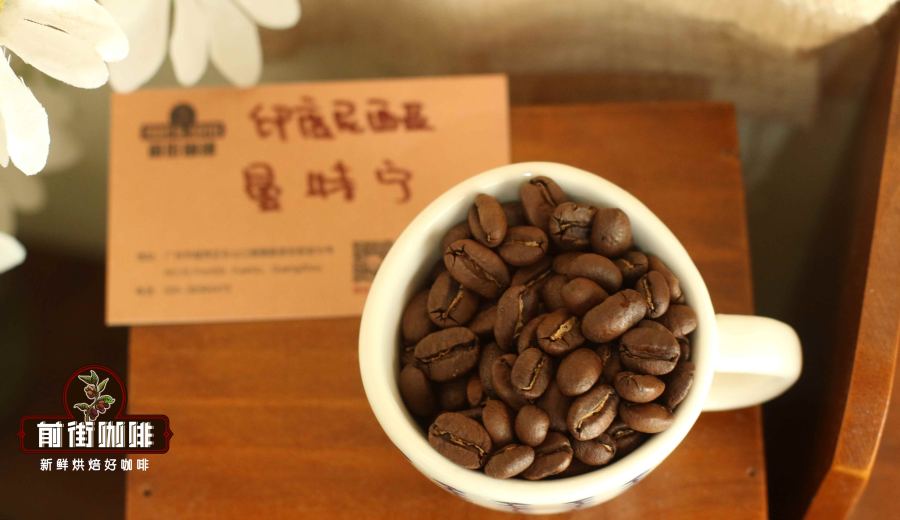
Introduction:Delve into the two renowned coffee-growing regions of Sumatra, Indonesia—Lintong and Gayo’s Gayo Mountain—and explore their Mandheling coffees. From the classic wet-hulled processing method to the stringent selection criteria of PWN Golden Mandheling, this article provides a comprehensive analysis of their unique flavor profiles and ideal roast levels. Practical pour over and moka pot brewing references are also included to help coffee enthusiasts master the brewing techniques and essential selection tips for this classic Southeast Asian bean.
Mandheling coffee is the most representative regional flavor of Indonesia, yet many coffee lovers hold certain misconceptions about its roast suitability and brewing methods. This article starts with Sumatra’s Lintong region to introduce how the classic wet-hulled process shapes its distinctive spicy and dark chocolate notes, then further explores the premium G1-grade Golden Mandheling from Lake Tawar on Gayo Mountain. Learn about its strict 18-mesh screening and the characteristics of the Ateng variety, while also clarifying the origin and authentic source of the “Golden Mandheling” trademark.
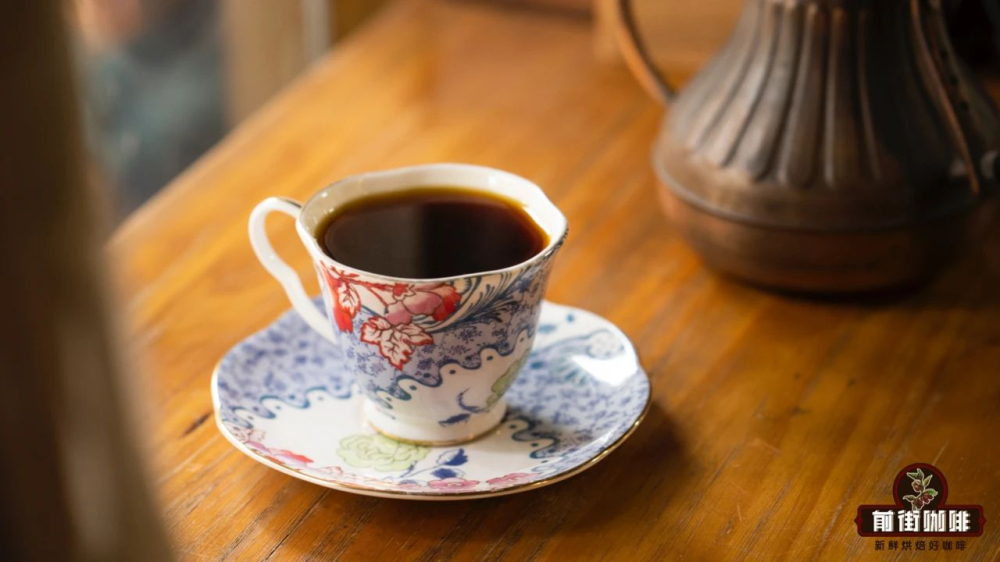
Many people, preferring the clean flavors of pour over coffee, mistakenly assume Mandheling is only suitable for medium to light roasts. In reality, while pour over culture originated in Europe, it was in Japan that a complete technique system was developed—and Japanese-style pour over, especially with medium to dark roasts, complements Mandheling’s rich body exceptionally well. Particularly during the blooming phase, medium to dark roasted Mandheling can form a full “hamburger effect,” fully showcasing its aromatic layers.
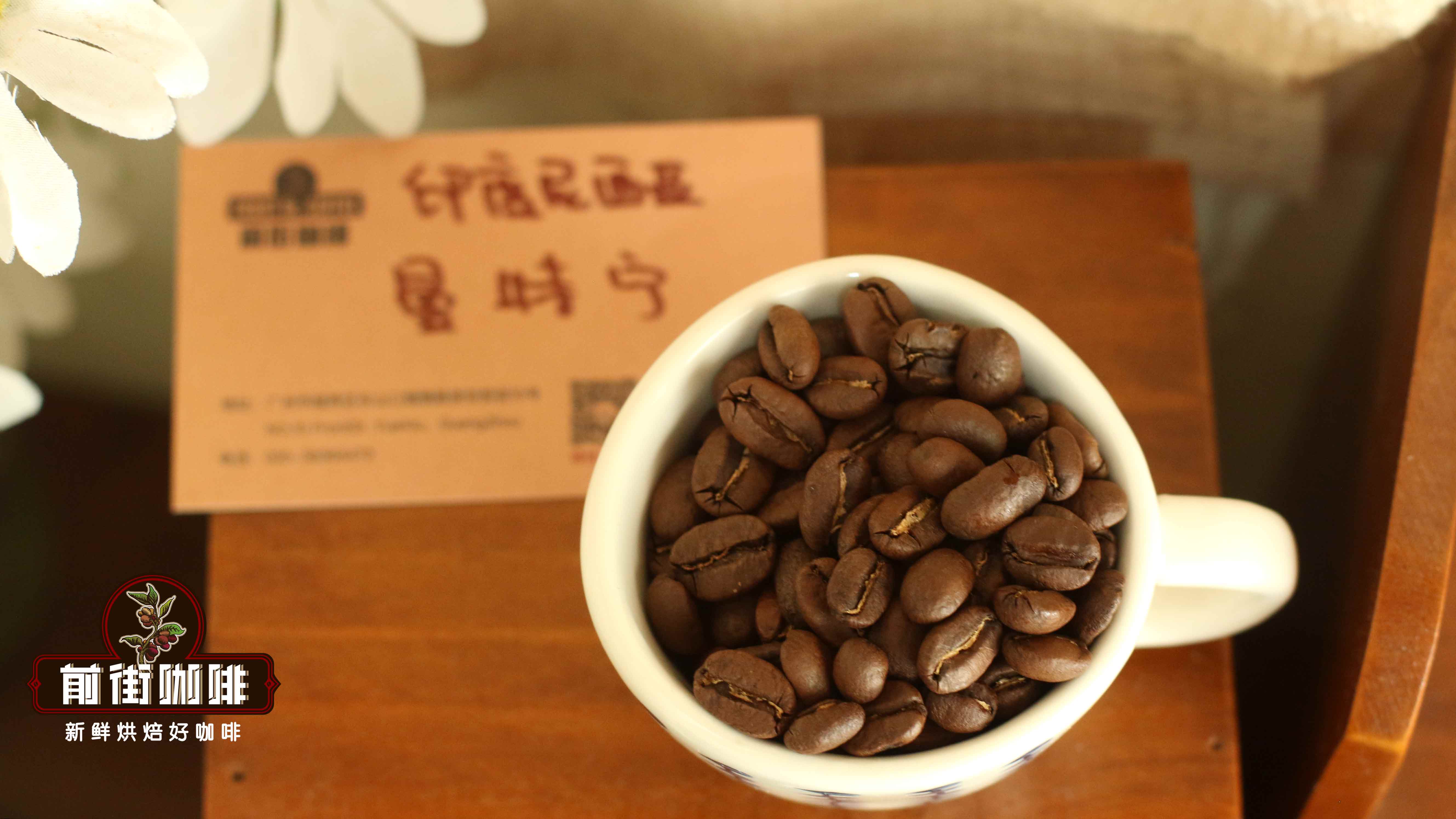
Mandheling from Sumatra’s Lintong region in Indonesia is processed using the traditional wet-hulled method and roasted to a medium to dark level to bring out spicy, dark chocolate, roasted hazelnut, and maple sugar caramelized aromas. This coffee bean has low acidity, a rich and bold mouthfeel, a long aftertaste, and excellent cost-performance, making it an ideal first choice for beginners and also a reliable option for everyday drinking.
If you’ve already gained some coffee tasting experience, consider challenging yourself with the PWN Golden Mandheling from Lake Tawar on Gayo Mountain. This coffee bean comes from northwestern Sumatra and is of the highest G1 grade, with strict selection criteria requiring beans to be 18 mesh or larger, and no more than 3 defective beans per 300g of green coffee. Its beans are neatly shaped with a darker green hue, and after multiple rounds of manual sorting to remove off-flavors, it delivers a cleaner, more layered taste.
Regarding the origin of the name “Golden Mandheling,” it’s actually related to a common defect bean produced during the wet-hulling process—commonly known as “goat hoof beans.” In the early days, Japanese green bean traders collaborated with local Indonesian suppliers to implement a strict selection system, including density grading, color screening, and four rounds of manual picking to ensure consistency and appearance quality. Under sunlight, these meticulously processed beans exhibit a golden hue, hence the name “Golden Mandheling.”
It’s important to note that the trademark rights to the name “Golden Mandheling” do not belong to the Japanese company, but are registered by the Indonesian exporter PWN Company (Pawani Coffee Company). Therefore, the Japanese side could only register and promote it under the alternative name “Gold Top Mandheling.” Today, “Golden Mandheling” has become an exclusive term of PWN, with clear trademark protection.
The newly released crop of PWN Golden Mandheling comes from the Gayo Mountains in North Sumatra and uses the Ateng variety—a natural hybrid of Arabica and Robusta widely planted across Indonesia’s smaller islands. This coffee exhibits a captivating combination of nutty, chocolatey, and spicy notes, and roasters typically opt for a medium to dark roast to highlight its deep and full-bodied flavor structure.
For brewing recommendations, the moka pot is highly suitable for home users due to its simplicity, rich extraction, and stability. If you prefer pour over, it’s recommended to use medium to dark roast parameters, with a water temperature of around 90–92°C and medium-coarse grind, to accentuate its bold base and rich sweet aftertaste, fully enjoying the complete flavor profile of this classic Indonesian bean.
The above content is compiled by CoffeeHunters, a coffee news website.


