







Introduction:Delve into the heart of Panama’s specialty coffee—the Geisha variety—exploring its origins, international competition accolades, and distinctive citrus and floral flavor profiles. This article explains the grading logic behind Hacienda La Esmeralda’s famous Red, Green, and Blue labels, helping you understand how altitude and cupping scores determine Geisha grades. It also analyzes the geography and flavor characteristics of Panama’s main coffee-growing regions. Whether you're a beginner or an advanced coffee enthusiast, you’ll find practical bean selection tips and tasting inspiration here.
Panama’s coffee stands out in the global specialty market, largely thanks to the Geisha variety. This rare wild coffee originating from Ethiopia is renowned for its unique citrusy aroma, delicate floral notes, and bright acidity. Its consistent high performance in international brewing competitions has made it a dream coffee for enthusiasts worldwide.
Geisha green beans have a slender appearance and, after roasting, release a refreshing citrus aroma accompanied by lingering floral notes and soft fruit sweetness. The complex aftertaste makes it one of the most recognizable coffees in the specialty category. These flavor traits have made it a top choice for many pour over lovers.
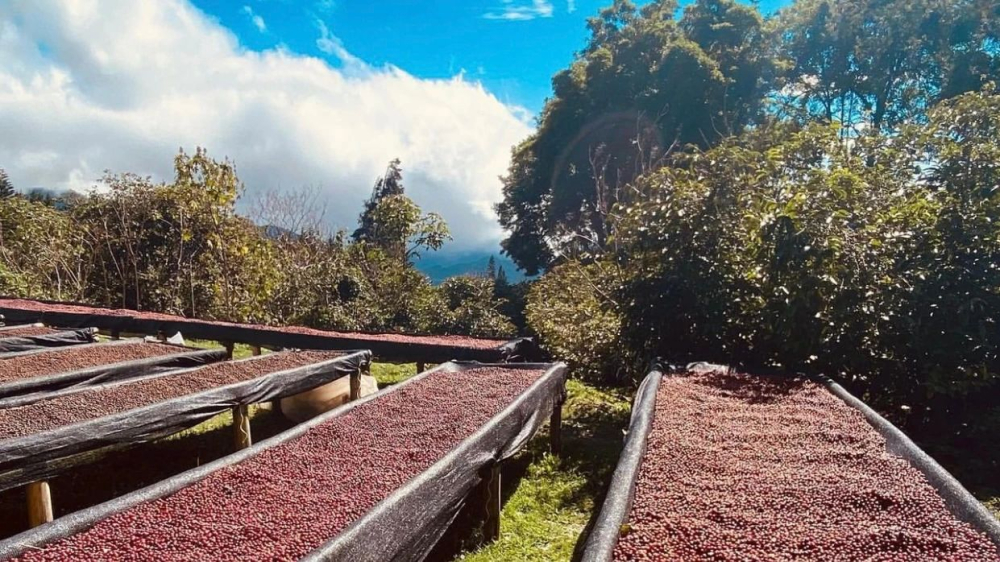
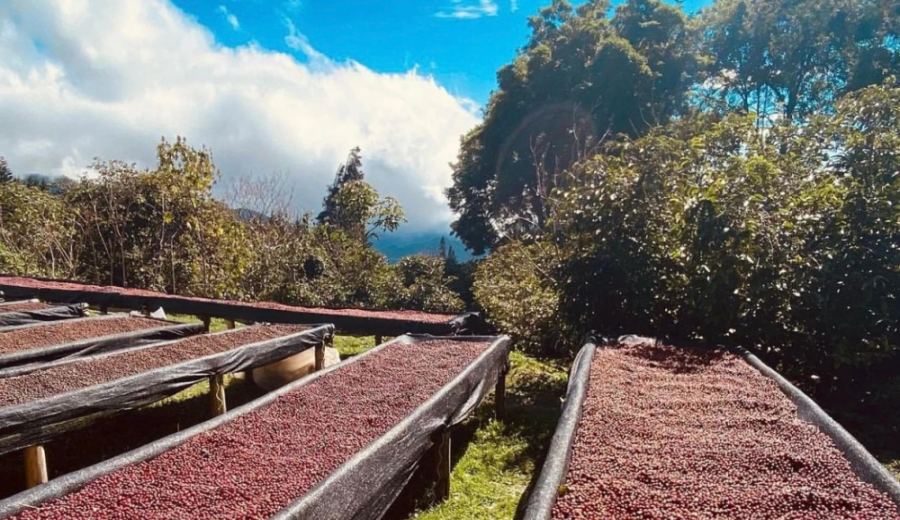
When discussing Geisha, one cannot overlook Panama’s Hacienda La Esmeralda. This estate was not only the first to recognize the potential of the Geisha variety but also established a rigorous grading system that accurately highlights the unique flavor profiles of Geishas grown at different altitudes and micro-regions. Based on altitude and cupping results, the estate has created three primary grades: Red Label, Green Label, and Blue Label, offering consumers a diverse selection.
Hacienda La Esmeralda subdivides its Geisha offerings under multiple brands, with the main Geisha series comprising three key lines: Esmeralda Special, Private Collection, and Geisha1500. If you’re new to Geisha, we recommend starting with the cost-effective Green Label. For those seeking the pinnacle of auction-grade Geisha, the Red Label is the undisputed choice. Additionally, the Catuai variety is available under two brands: Diamond Mountain grows and Palmyra.
Hacienda La Esmeralda’s Red Label Geisha, also known as Esmeralda Special, comes from high-altitude regions around 1,600 to 1,800 meters above sea level, often scoring over 90 points in cupping evaluations. These beans primarily originate from the renowned micro-regions of Jaramillo and Canas Verdes. Such lots are typically available only through the estate’s exclusive auctions, commonly referred to as auction Red Labels. However, many non-auction Red Label beans also come from these premium plots, offering comparable flavor quality at more accessible prices. Red Label Geishas are usually processed via natural or washed methods, showcasing prominent floral and citrus notes with a bright, layered mouthfeel.
As for the Green Label, part of the Private Collection series, although not auctioned, it also comes from high-altitude areas between 1,600 and 1,800 meters and consists of micro-lot blends sourced from regions such as Jaramillo and Canas Verdes. The Green Label is an ideal everyday or introductory option for coffee enthusiasts, offering good value while still delivering Geisha’s signature bright acidity and refined floral aromas.
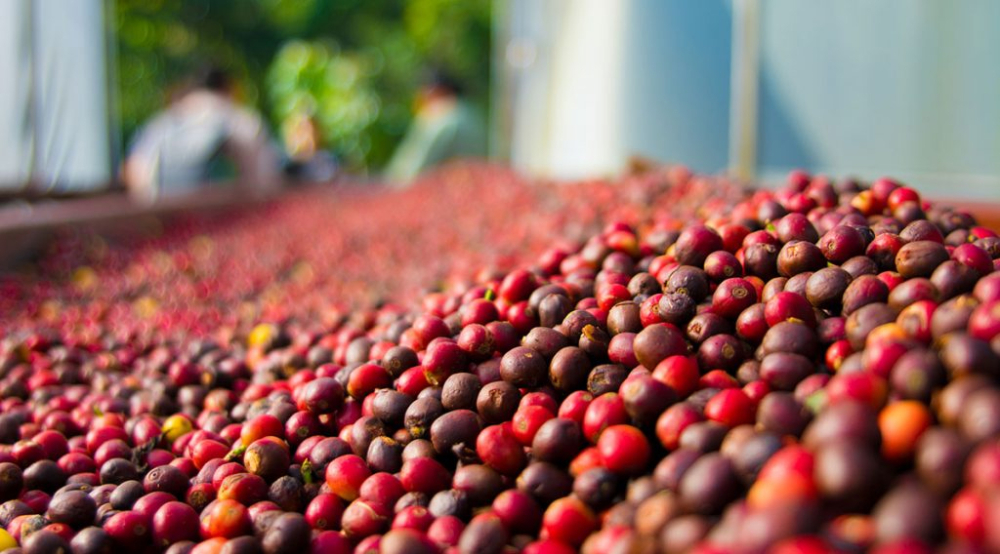
The Geisha variety originated in Ethiopia and is said to have been first discovered near a small village called Gesha—hence its name. The coffee trees are tall with long, slender leaves and exhibit strong disease resistance, particularly to common coffee leaf rust. The green beans are similarly slender and develop intense fruity aromas after roasting. However, due to extremely low yields, large-scale commercial cultivation proved difficult until the variety was rediscovered in Panama, where it rose to prominence.
Coffee was introduced to the Americas several centuries ago, with its earliest traces dating back to the 1720s. Since Panama’s independence in 1903, the coffee industry has gradually flourished, becoming one of the country’s key economic crops. Especially in the western regions near the Costa Rican border and along the Pacific coast, high-altitude zones have nurtured numerous high-quality coffee-growing areas.
Panama’s top-tier coffees are primarily concentrated in the Boquete region of Chiriquí Province, with Volcán and Santa Clara being the most renowned. Other notable areas include David, Remacimeinto, Bugaba, and Tole. Experts generally agree that coffee grown at altitudes between 1,300 and 1,500 meters best showcases Panama’s nuanced and complex cup profiles. Among them, Cafe Volcan Baru is considered a specialty coffee with outstanding market potential, thanks to its exceptional flavor and stable production.
The above content is compiled by CoffeeHunters, a coffee news website.


