








Introduction:Latte and cappuccino are classic staples in Italian-style coffee shops, but many coffee beginners often confuse the two. This article delves into the characteristics of these two popular milk-based coffees by examining key parameters such as sweetness, milk foam thickness, and the coffee-to-milk ratio. It also explains important preparation tips to help you make the best choice based on your personal taste when ordering or brewing at home.
Latte (Latte) and cappuccino (Cappuccino) can be considered a popular duo in Italian coffee. No matter which café you walk into, these two classic milk coffees are almost always staples on the menu. However, for those who are new to coffee, it’s common to be confused about what exactly sets them apart—sometimes choosing simply because the latte has prettier latte art, or because the name “cappuccino” sounds more atmospheric.

In fact, latte and cappuccino differ markedly in their proportions of coffee, milk, and foam, which directly impacts their mouthfeel, intensity, and overall flavor profile. Understanding these details not only helps you order with more confidence at coffee shops but also allows you to master more precise brewing techniques when using a moka pot or semi-automatic machine at home.
First, looking at the basic composition, a latte typically consists of one shot of espresso (about 30ml), a large amount of hot milk (about 200–250ml), and a small amount of fine, dense foam (about 1–2cm thick). This ratio highlights the milk flavor more prominently, while the coffee taste remains relatively mild, making it ideal for those who enjoy a rich milky aroma and smooth texture. Additionally, due to its thinner foam layer, the latte is better suited for creative latte art and is often used to showcase a barista’s skills.

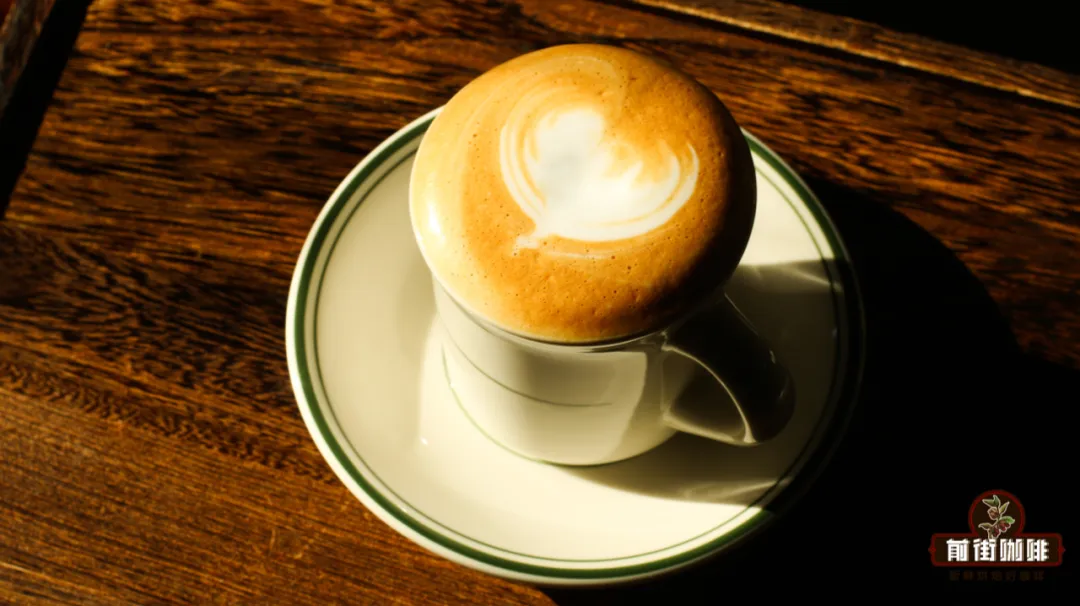
In contrast, the cappuccino places more emphasis on balance. Its standard recipe consists of one shot of espresso, an equal amount of hot milk (about 150–180ml), and a thicker foam layer of about equal or slightly lesser volume (about 2–3cm). As a result, the cappuccino has a denser mouthfeel, with a thicker foam that offers a distinct textural experience upon drinking. The flavors of coffee and milk are also more evenly integrated, resulting in a refreshing and layered overall flavor.

In terms of sweetness, since neither drink contains added sugar, the original versions of latte and cappuccino both present the natural mild sweetness of coffee and milk. However, due to its higher milk content, some may find the latte tastes smoother or milder, making it relatively easier to enjoy. On the other hand, the cappuccino, with its thicker foam, has a more substantial mouthfeel, and some drinkers may perceive its flavor as more concentrated, offering a clearer sense of the coffee’s inherent taste.

In preparation, the primary difference between latte and cappuccino lies in how the milk foam is handled. The latte requires finer and thinner foam, so it’s recommended to steam the milk to produce delicate, soft microfoam, with the temperature kept around 60–65°C to avoid overheating and negatively affecting the flavor. The cappuccino, meanwhile, needs richer, more supportive thick foam, so care should be taken to ensure the foam is fluffy and even in texture. The steaming temperature is also ideally maintained at 60–65°C to achieve optimal mouthfeel.
Another practical tip is that if you’re trying to brew these two types of coffee at home, it’s recommended to use a double shot of espresso to enhance the coffee’s intensity—especially for cappuccinos, where sufficient coffee strength helps balance the richness brought by the thick foam. Additionally, the choice of milk matters: whole fresh milk is advised as it produces richer foam and delivers a creamier milk aroma.

In summary, although both latte and cappuccino are combinations of coffee and milk, they differ significantly in proportion, mouthfeel, foam thickness, and overall drinking experience. The latte is ideal for those who prefer a milk-forward flavor with a smooth texture, whereas the cappuccino is better recommended for coffee enthusiasts who seek a balanced interplay between coffee and milk, along with the enjoyment of a thick, substantial foam. Whether you’re ordering at a café or attempting to make them at home, understanding these details will help you choose the option that best suits your taste.

The above content is compiled by CoffeeHunters, a coffee news website.


