







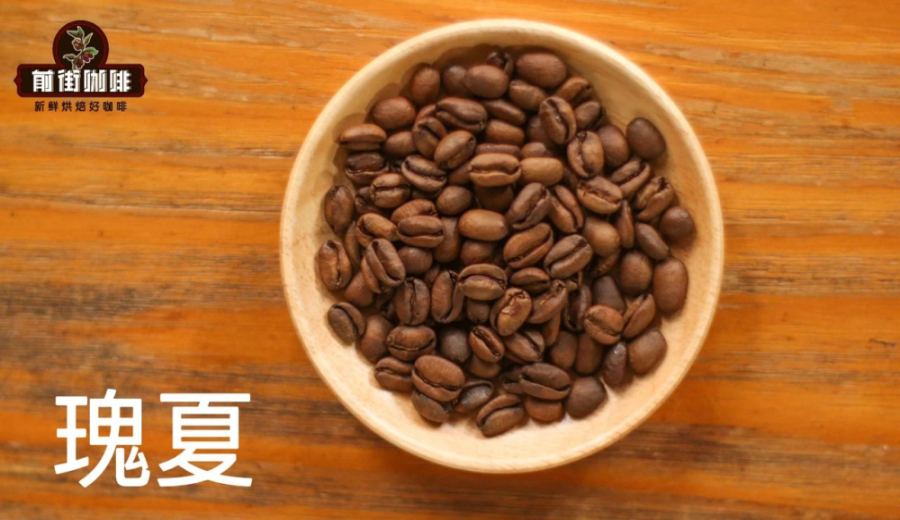
Introduction:An in-depth analysis of the Red Label, Green Label, Blue Label, and Las Rocas volcanic series from Panama’s Hacienda La Esmeralda Geisha coffee, breaking down everything from origin altitude, processing methods to cupping flavors, along with professional pour over recommendations and roasting curve references to help coffee enthusiasts fully master the brewing secrets of this top-tier bean.
In the specialty coffee world, Geisha (also spelled Gesha) sits firmly at the pinnacle thanks to its distinctive floral and fruity notes. This variety, originating from Ethiopia’s Geisha Forest, was once used as a windbreak tree until it stunned the world by winning an auction at Panama’s Hacienda La Esmeralda in 2004, forever altering its fate. This article will comprehensively trace the history of Geisha, focusing on Hacienda La Esmeralda’s Red Label, Green Label, Blue Label, and the newly launched Las Rocas volcanic series—detailing their origin characteristics, altitude, processing techniques, and cupping flavor profiles. It also provides brewing parameters and roasting curves for each bean, allowing you to gain a deeper understanding of the full picture of this legendary coffee.
Origin Background and Development History
Geisha was first discovered in Ethiopia’s Geisha Forest in 1931, later introduced via the Kenya Coffee Research Institute, and gradually spread to Uganda, Tanzania, and Costa Rica, only taking root in Panama in the 1970s. Due to its scarce production in the early years, Geisha was mostly used as a windbreak tree rather than a cash crop. It wasn’t until 2004, when Hacienda La Esmeralda owner Daniel Peterson participated in the Best of Panama (BOP) competition and achieved outstanding results, that Geisha truly rose to prominence. Its exceptional cupping scores and unique flavor quickly became the market’s focal point.
Hacienda La Esmeralda’s Plots and Microclimates
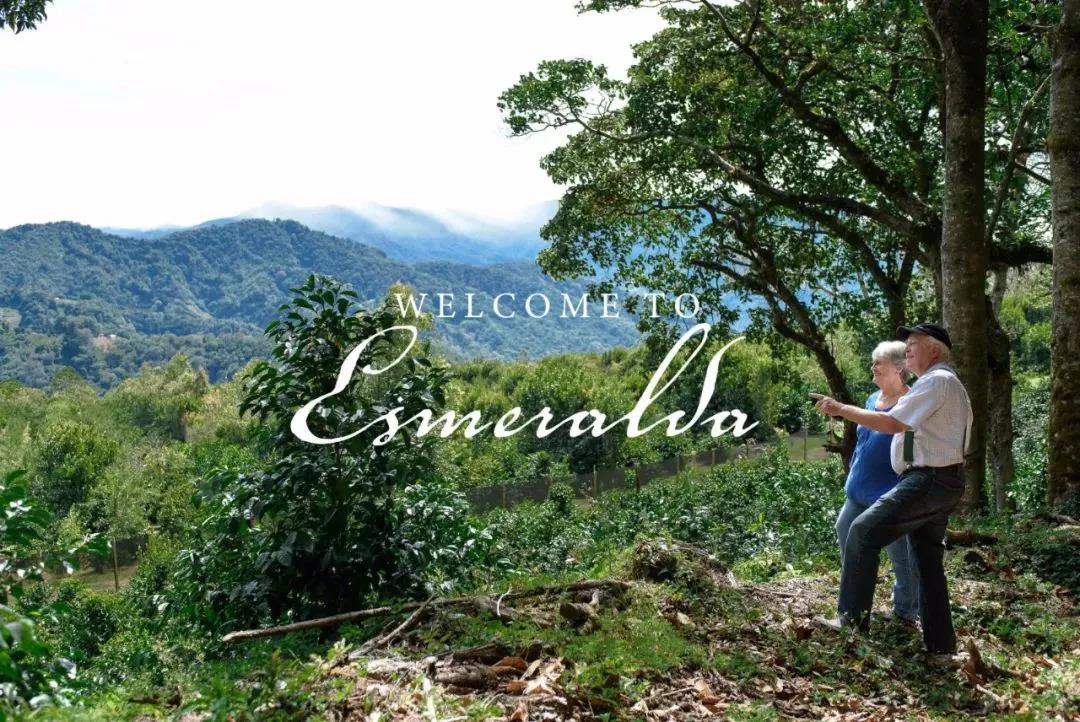
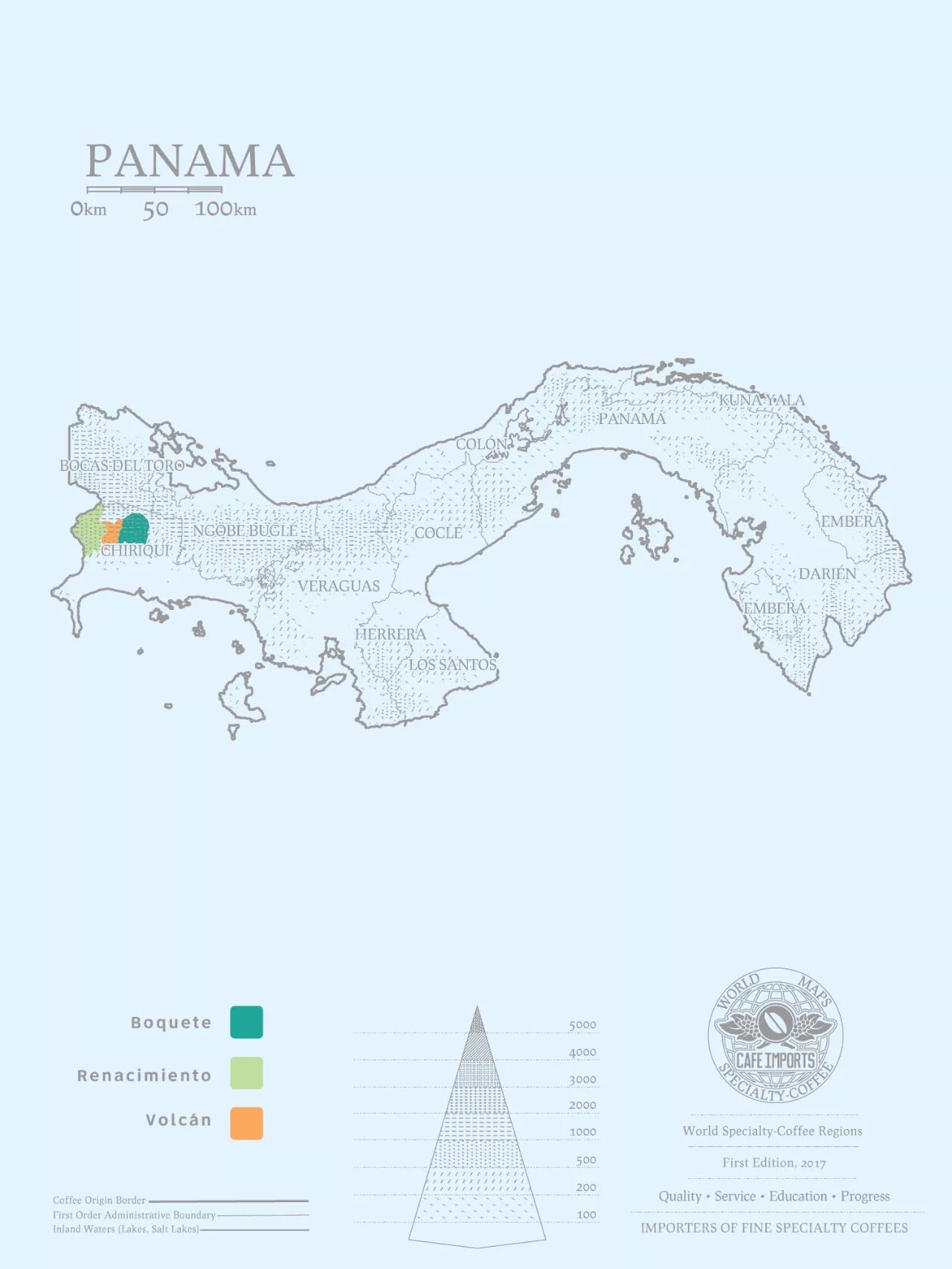
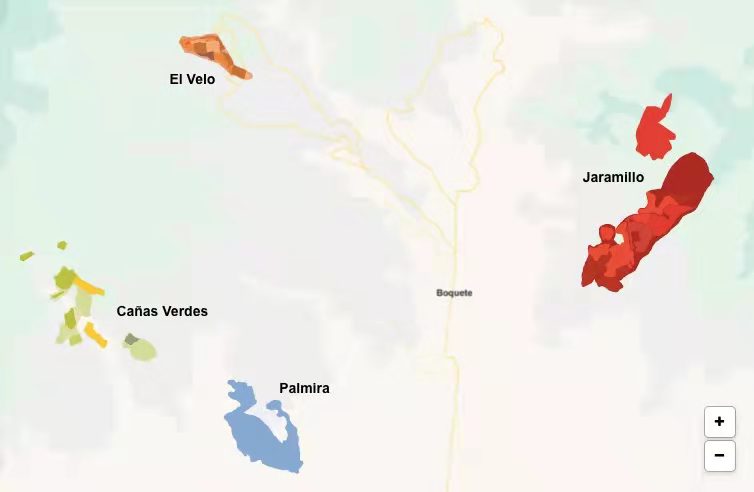
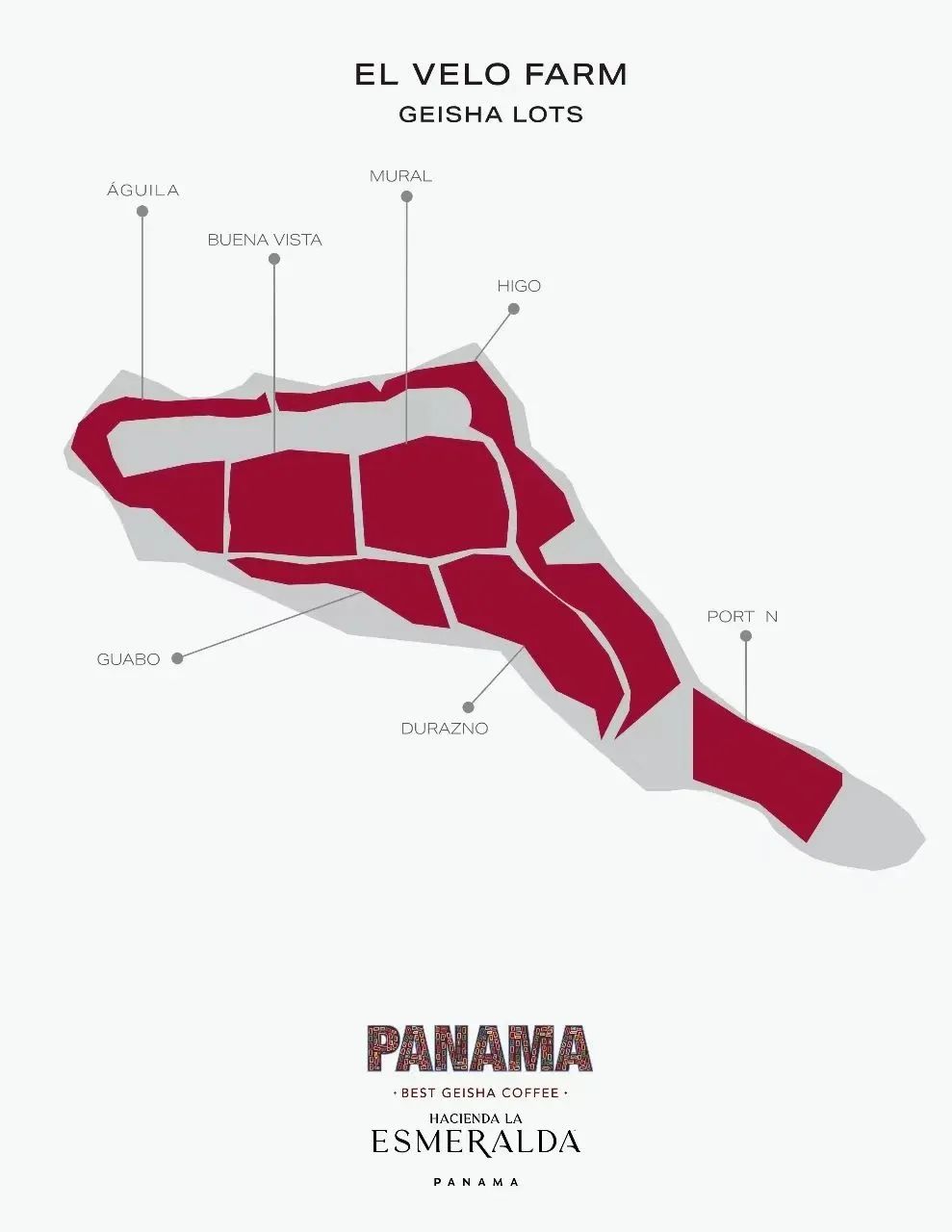
Hacienda La Esmeralda is located in Panama’s Boquete region, with its Geisha plantings divided into three core plots: Jaramillo, Canas Verdes, and El Velo. Jaramillo sits at an altitude of 1600–1700 meters, with an average annual temperature of 19–25°C and annual rainfall reaching 4000 mm; Canas Verdes ranges from 1600–1800 meters in altitude, with an average annual temperature of 16–23°C and annual rainfall of 3500 mm—both are renowned for their distinct flavors. The El Velo plot is a newly acquired high-altitude area, ranging from 1700–1900 meters in altitude, where, in addition to Geisha, varieties such as Catuai and Laurina are also cultivated.
Red Label Geisha: Auction-Grade Premium Flavor
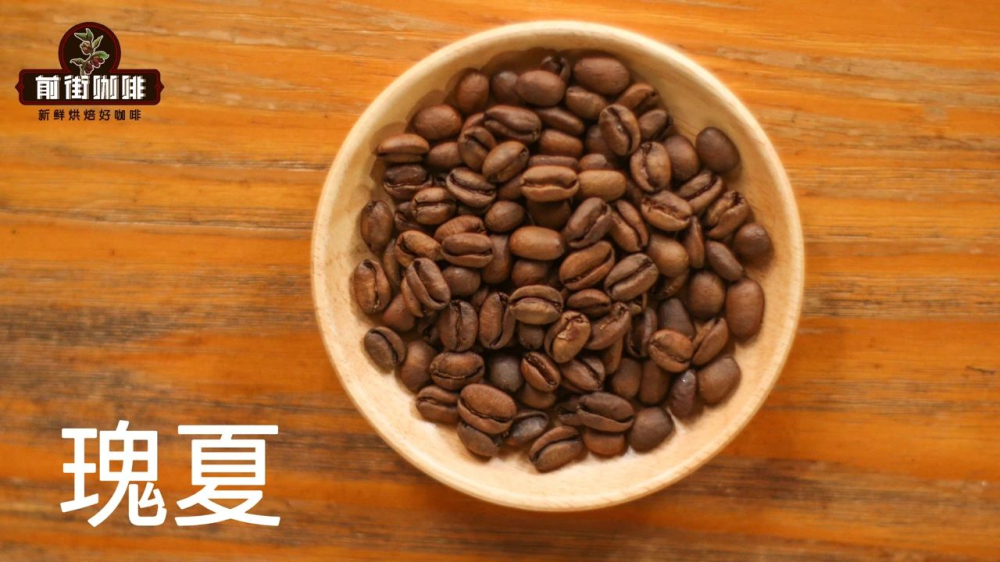
The Red Label Geisha belongs to Hacienda La Esmeralda’s Special Selection series, using only top-tier beans from the Jaramillo and Canas Verdes plots at altitudes of 1600–1800 meters with cupping scores above 90, released in limited quantities via auction. Processing methods include natural, washed, and yeast-processed, with flavors centered around bright floral notes and citrus tones, often accompanied by lingering notes of black tea and berries. A medium-light roast is recommended to highlight its complex fruitiness and acidity. For pour over, a V60 filter is recommended, with a water temperature of 90–93°C, a brew ratio of 1:16, and a medium-fine grind (80% through a #20 sieve), using a step extraction method to showcase its delicate layers.
Green Label Geisha: A Reserve Micro-Lot Selection
Also known as the Private Collection series, the Green Label blends micro-lots of Geisha from Jaramillo, Canas Verdes, and the Qiel plot. Though not entered into auctions, it retains the classic floral and fruity acidity traits. Processing methods include washed and natural, with a rich flavor profile, bright acidity, and juicy mouthfeel. Roasting should involve high-temperature rapid dehydration to enhance the fruitiness. For pour over, a fast-flowing V60 is recommended, with a water temperature of 90–91°C, a brew ratio of 1:16, and step pouring to highlight its fresh citrus and floral notes.
Blue Label Geisha: High-Value Option
The Blue Label (now renamed the Las Rocas volcanic series) uses a blend of beans from Jaramillo, Canas Verdes, and El Velo plots at altitudes of 1400–1500 meters, with only washed processing. Its flavor leans toward soft floral and citrus notes, with a clean and refreshing mouthfeel. A light roast is recommended to preserve its bright acidity. For pour over, a V60 filter is suitable, with a water temperature of 90°C, a brew ratio of 1:16, a medium-fine grind, and step extraction to bring out delicate citrus and honey sweetness.
Brewing Tips and Key Parameters
Regardless of which Geisha you choose, freshly roasted beans (with a 4–7 day rest period recommended after roasting) are key. During pour over, pay attention to water temperature control (typically 90–93°C), brew ratio (1:16 as a baseline), and grind size (medium-fine suitable for most flavor expressions). Step extraction balances acidity, sweetness, and body—recommend pre-infusing for 30 seconds, then pouring in small streams to reach the target volume, avoiding over-extraction that leads to bitterness.

The above content is compiled by CoffeeHunters, a coffee news website.


