







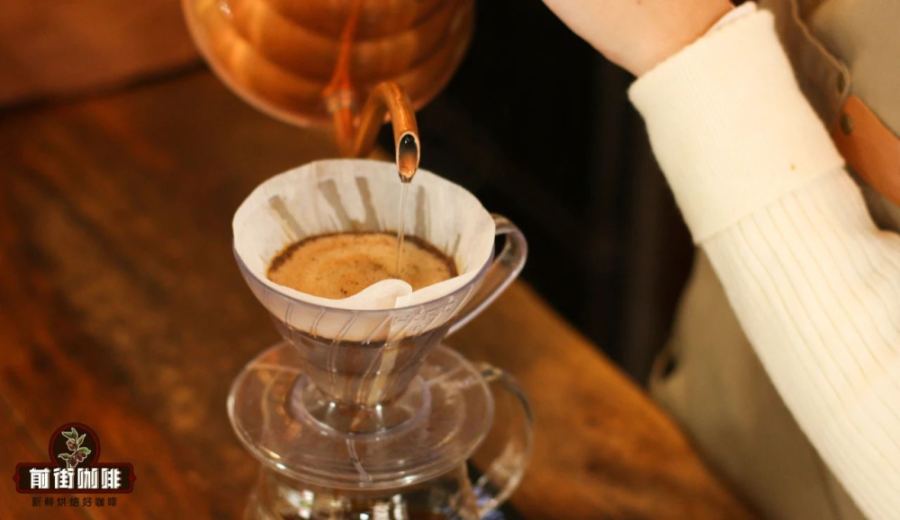
Introduction:Many pour over beginners using the V60 often find their brewed coffee lacking in flavor, but the key actually lies in the precise combination of the dripper’s design characteristics and the six essential parameters. This article delves into how the Hario V60’s 60-degree cone angle, spiral ribs, and large central hole affect flow rate, and then breaks down the practical effects of grind size, water temperature, and brew ratio on extraction. Finally, it demonstrates with an Ethiopian Yirgacheffe coffee, providing a reproducible three-pour brewing method and a clear flavor profile to help you dial in your ideal pour over cup.
As one of the most widely used drippers among global pour over enthusiasts, the Hario V60 has won market favor for its simple design and outstanding performance. However, many users notice that even when using the same equipment, each brew can taste noticeably different. This is closely related to the V60’s unique structural design—from its 60-degree cone angle to its spiral ribs, and right down to the large central hole—each detail influences water flow speed and coffee grounds extraction efficiency.
The Core Design Principles of the V60 DripperLie in its 60-degree conical structure. This angle, repeatedly tested by Japan’s Hario laboratory, helps guide the coffee grounds to naturally gather toward the center, allowing the poured water to penetrate the coffee bed more directly. This prolongs the contact time between water and coffee grounds, thereby improving overall extraction uniformity. Coupled with the spiral ribs running from the bottom to the top along the inner wall of the dripper, these ribs create gaps between the filter paper and the dripper. Not only do they accelerate filtration speed, but they also place the V60 among the faster-flowing drippers on the market. It’s worth noting that the ribs are arranged in a clockwise pattern—if you pour water in the direction of the ribs, the flow will be smoother; pouring against them may slow the flow rate. The large central outlet hole is designed to ensure unobstructed water passage, further maintaining stable flow rate.
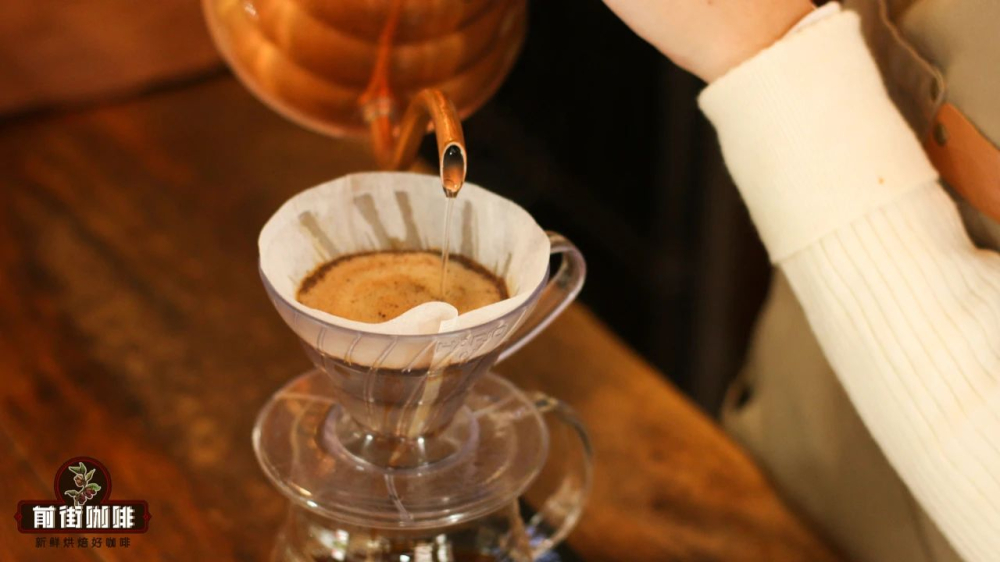
Once you understand the V60’s structural traits, we’ll move on to analyzing the impact of six key variables on extraction. First up isCoffee Bean Freshness. After roasting, beans gradually release internal carbon dioxide and aromatic compounds over time. The industry generally agrees that freshly roasted coffee beans are at their peak flavor within 30 days of roasting. Beyond two months, the active aromatic substances in the beans significantly diminish. Even with perfect technique, it’s hard to achieve rich layers of flavor.
Next isGrind Size, which directly relates to water flow resistance and extraction efficiency. The finer the grind, the more easily coffee grounds accumulate at the bottom of the filter paper, increasing flow resistance, lengthening extraction time, raising extraction yield, and leading to over-extraction—often resulting in woody or off flavors. Conversely, an overly coarse grind creates larger gaps between coffee particles, allowing water to pass through too quickly, causing under-extraction and weak flavors. For different roast levels, it’s recommended that medium-light roasts use a grind similar to fine sugar (using an EK43s grinder, around setting 9–10), while medium-dark roasts use a texture closer to coarse sugar (setting 10–11).
The third key factor isBrew Ratio. According to the SCA Golden Cup extraction theory, different ratios lead to noticeable flavor differences. A ratio between 1:10 and 1:11 (Golden Cup range is 1:12.5–1:13.5) yields intense flavors but risks over-extraction; 1:12–1:13 (Golden Cup 1:14.5–1:15.5) is the balanced zone; and 1:14–1:16 (Golden Cup 1:16.5–1:18.5) results in a cleaner, brighter cup. Practical experience recommends using a 1:15 brew ratio, which easily hits the Golden Cup standards for extraction yield (18%–22%) and concentration (1.15%–1.35%), making it ideal for most coffee beans.
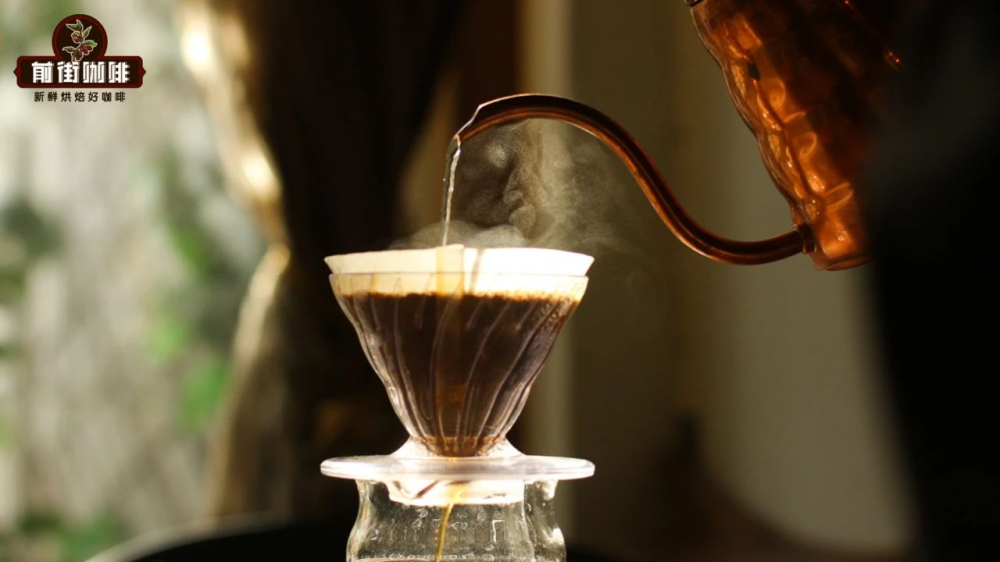
Brew Water Temperatureis equally crucial. For medium-light roasts, a water temperature of 90–91°C is recommended to fully highlight acidity and aroma; medium-dark roasts suit 88–89°C to avoid excessive extraction that leads to burnt or bitter notes. If your brew turns out too bitter or astringent, try lowering the water temperature; if the flavors are too thin, slightly increasing the temperature can help find the optimal extraction balance. With the right temperature, the coffee should showcase clear layers of acidity—like the bright tang of plums or stone fruits—along with high clarity, a long-lasting aftertaste, and delicate fruit or wine-like nuances.
As forBrewing Technique, the three-pour method is the most common. Take Kenyan “Little Tomato” as an example: the first step is the bloom phase, where you pour double the weight of the coffee grounds in water (e.g., 30g of coffee with 30g of water) and let it bloom for 30 seconds. This stage allows the coffee grounds to fully absorb water and release CO₂, ensuring smooth extraction afterward. Next come the second and third main extraction pours. During this phase, about 30% of the coffee’s soluble flavor compounds are released in order of molecular size: first, small molecules like acidity and aroma (such as floral and citrus notes), followed by medium molecules contributing sweetness (like juice and honey-like sweetness), and finally, large molecules responsible for bitterness. Understanding this sequence helps control flavor expression.
Finally, there’sBrew Time. Early-stage flavors are more intense and concentrated, gradually fading as time passes. Pour water volume also affects overall extraction duration—if the flow rate is too fast, it may lead to under-extraction. Generally, when using 15g of coffee with a 1:15 brew ratio, it’s advised to complete the brew within 2 to 2 minutes 30 seconds to avoid under- or over-extraction.
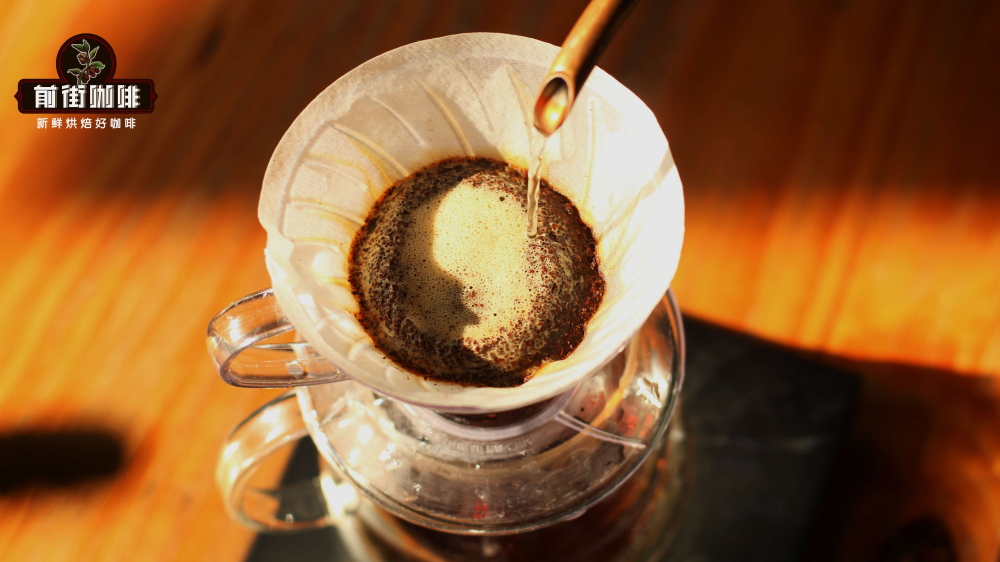
In practice, take Ethiopia’s Yirgacheffe “GuDingDing” as an example. Grown at 1900–2300 meters altitude, it uses heirloom varieties and washed processing, graded as G1, showcasing typical bright acidity and fruity notes. Recommended parameters are: 90–91°C water temperature, EK43s grind setting 10 (fine sugar size), and 1:15 brew ratio. The specific method is: first pour 30g of water for a 30-second bloom; second, pour 95g of water (total ~125g) within about 1 minute; once the water level drops to two-thirds of the coffee bed, pour the remaining 100g (total ~225g), taking about 1 minute 40 seconds; finally, allow dripping to finish between 1 minute 55 seconds and 2 minutes before removing the dripper. This process yields a cup with bright citrus acidity, a full berry juice body, and a distinct oolong tea mouthfeel, featuring clear layers and a long, lingering finish.
The above content is compiled by CoffeeHunters, a coffee news website.


