







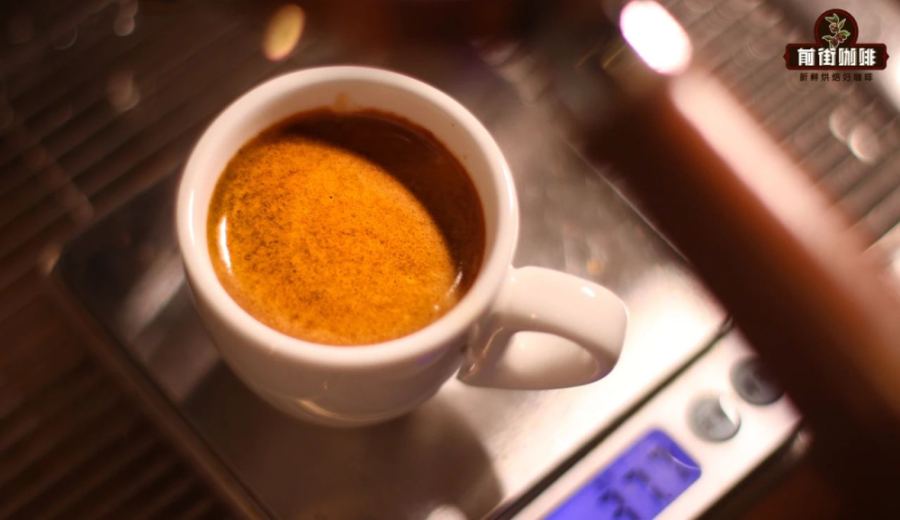
Introduction:Want to learn how to extract a balanced and rich espresso? This article delves into the key elements of espresso, including grind size, roast level, coffee-to-water ratio, and the logic behind extraction time settings. It also introduces you to the regional composition and flavor profiles of three featured blends. Whether you're a beginner or a barista looking to refine your skills, you’ll gain practical brewing techniques and bean selection insights.
Espresso, this concentrated coffee originating from Italy, is not only the base for many classic coffee drinks but also a microcosm showcasing the essence of coffee beans and the art of extraction. A successful espresso relies on the precise interplay of coffee variety, roast profile, grind size, and extraction parameters. From the dosage of coffee grounds, the control of liquid volume, to the mastery of extraction time and pressure, every step influences the final flavor presentation.
This article not only details the standard operation process for a double shot of espresso but also provides practical advice on dosing, tamping, pre-infusion, and milk frothing. Furthermore, it explores three blends from a certain coffee shop — “Black Cocoa,” “Classic Blend,” and “Strawberry Sugar Espresso” — introducing you to the unique flavor profiles brought by different regions and roast styles, helping you find the most suitable coffee solution based on your personal taste preferences.
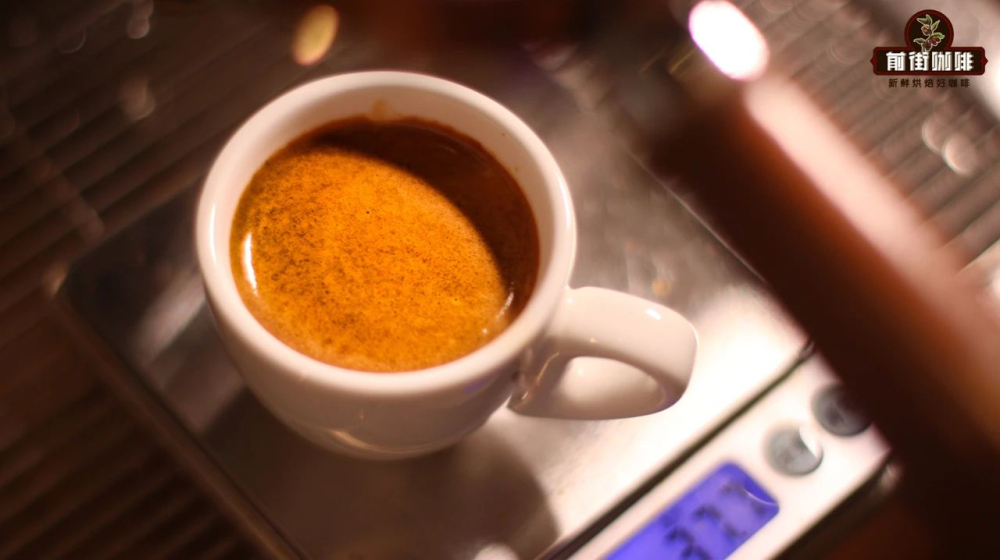
In Italian, "espresso" means "fast," symbolizing its characteristic of quick and concentrated extraction. Although Italian coffee culture is globally representative, the earliest attempts to create a concentrated coffee-like beverage actually came from the French. However, it was Italian baristas who refined the technique and popularized it into the form we know today. Through high-pressure extraction, they concentrate the essence of coffee within 30 seconds, creating this rich and bold classic.
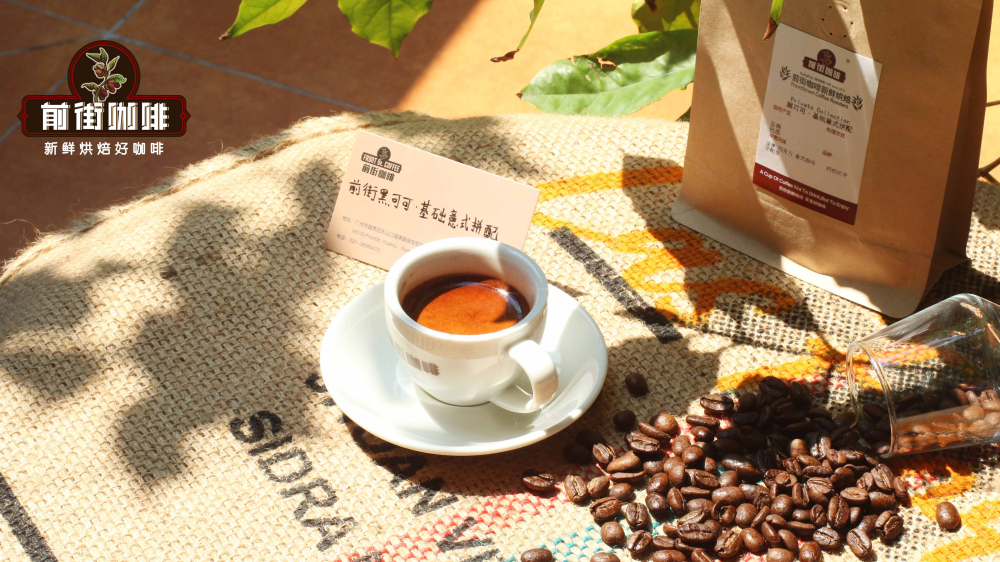
When making espresso, the choice of coffee beans is crucial. Take the “Black Cocoa” from a certain coffee shop as an example — a blend often recommended by professional baristas, primarily composed of Yunnan small-bean variety and Brazilian Red Bourbon, roasted to a medium-dark level. This bean offers a clear flavor profile with intense nuttiness, warm cocoa-cookie aromas, and a soft creamy texture. When used for lattes, it not only highlights the velvety mouthfeel of milk foam but also enhances the aroma’s layers and richness.
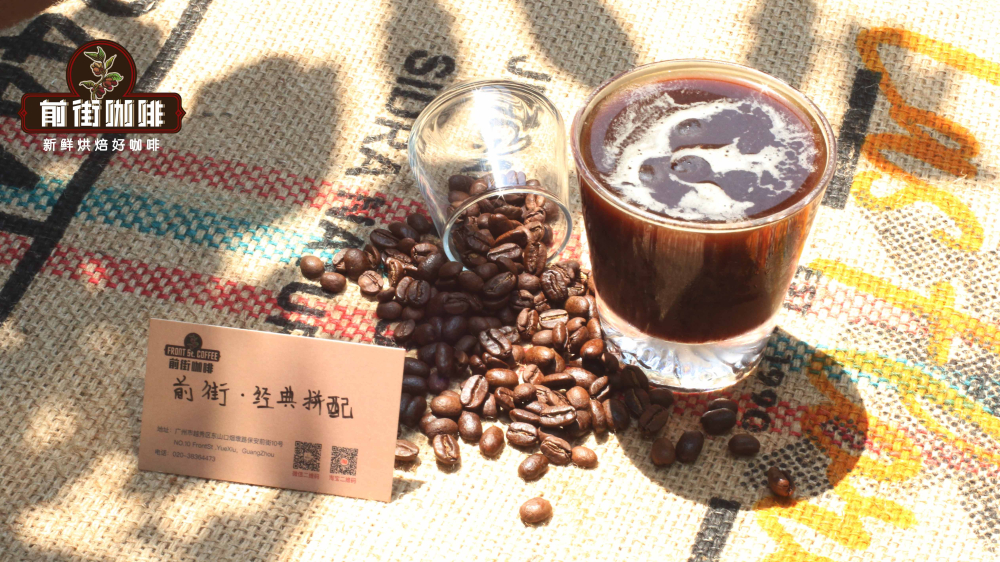
If you prefer a bold, full-bodied flavor and a rich crema (coffee foam), then the “Classic Blend” from a certain coffee shop is the ideal choice. This blend combines beans from Indonesia, Brazil, and Vietnam, and on the foundation of the traditional “Mamba” recipe, includes a small amount of Robusta to enhance body and caramel notes. With its abundant crema and intense flavor, it produces a rich cocoa-like aroma in Americanos, with a slightly bitter finish; when used for lattes, it showcases a balanced and deep texture, closely resembling the classic style of traditional Italian coffee.
For coffee lovers who aren’t accustomed to strong bitterness or prefer bright floral and fruity notes, the “Strawberry Sugar Espresso” from a certain coffee shop is worth trying. Designed for those who enjoy vibrant acidity and fruity aromas, this blend uses beans from Costa Rica, Colombia, and Ethiopia, delivering delicate notes of rose, citrus, grape, and dried blueberries. When brewed as an americano, it offers a sweet, fruit-gum-like taste, perfect for those who prefer a refreshing flavor.
In actual extraction practice, a certain coffee shop uses a double-shot portafilter with a standard coffee dose ranging from about 18 to 20 grams, though 20 grams is typically the baseline. The recommended coffee-to-water ratio is 1:2, meaning 20 grams of coffee grounds yield 40 grams of coffee liquid. Extraction time is generally controlled between 20 to 35 seconds, with specific timing fine-tuned according to grind size and flow rate.
Before beginning the extraction, be sure to clean the portafilter thoroughly to ensure no leftover coffee grounds or oils remain. Start the grinder to produce the appropriate amount of double-shot coffee grounds — it's recommended to use the 2.0 setting on the Galileo Q18 burr, which suits most medium-dark roasted espresso blends. Weigh the ground coffee on an electronic scale and adjust to 20 grams. Then, use a distribution tool to evenly spread the coffee bed, followed by applying vertical pressure with a tamper to ensure consistent puck density — crucial for stable extraction.
After tamping, first turn on the extraction switch to release water for 1 to 2 seconds to wet the group head and remove any attached residue. Then, reset the electronic scale to zero and place it under the cup that will catch the espresso. Securely place the portafilter on the group head and begin extraction. Observe the extraction process; when the scale shows 40 grams of coffee liquid and the time falls between 26 to 32 seconds, stop the extraction and pour the finished shot into the prepared cup.
Next comes the milk frothing step. It is recommended to use 200 grams of cold fresh milk. Insert the steam wand into the milk pitcher at an appropriate angle and froth until the milk foam reaches a thickness of 0.3 to 0.5 centimeters, with the temperature controlled between 55 to 60°C, achieving a smooth and fine texture. Fully integrate the frothed milk with the espresso, and finish with latte art — thus completing an espresso drink that balances aroma and layered complexity.
A latte made with the “Strawberry Sugar Espresso” from a certain coffee shop showcases distinct floral and fruity aromas. Upon tasting, you can perceive delicate notes of raisin, pink florals, preserved fruits, pineapple, and sweet orange. Against the backdrop of the coffee crema, there’s also a rich aftertaste reminiscent of cocoa and hazelnuts. The overall flavor experience is akin to enjoying a piece of cranberry cookie — unique and truly memorable.
The above content is compiled by CoffeeHunters, a coffee news website.


