







Introduction:From the rich and bold Indonesian Mandheling to the bright and refreshing Ethiopian Yirgacheffe, this article handpicks five classic coffee beans from renowned global growing regions. It details their flavor profiles, regional characteristics, and ideal brewing methods. Whether you're a beginner pour over enthusiast or a coffee aficionado eager to explore the nuances of different beans, you'll find your ideal cup here.
In the world of specialty coffee, terroir, bean variety genetics, and post-harvest processing together shape each coffee’s unique flavor profile. For those just stepping into specialty coffee, starting with representative beans from classic origins is the best way to quickly build flavor recognition skills. This article will introduce you to five well-known coffees from around the world: Indonesia Mandheling with its Southeast Asian character, Jamaica Blue Mountain hailed as the “King of Coffee,” Ethiopia Yirgacheffe known for its floral and fruity notes, the versatile Colombian Huila, and the balanced and full-bodied Brazilian Red Bourbon. We also provide practical extraction parameters and brewing tips to help you better appreciate the distinct personality of each bean.
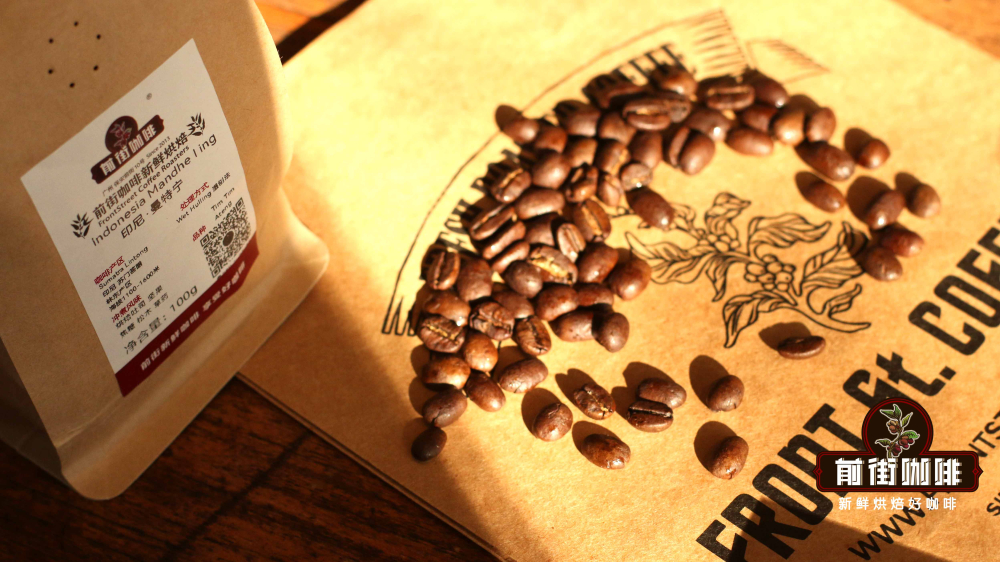
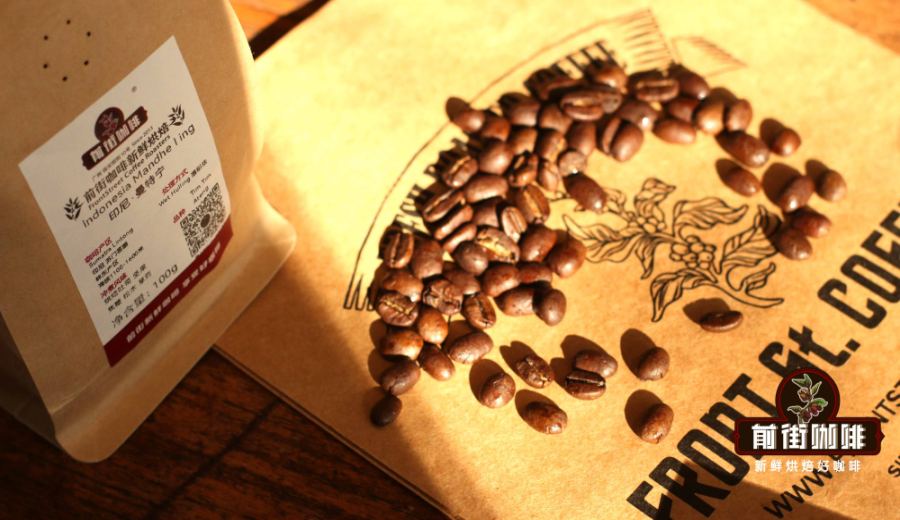
First up is Mandheling coffee from Sumatra, Indonesia. This bean is renowned for its low acidity, bold aroma, and a well-balanced bitterness and sweetness. Upon tasting, you’ll notice a heavy body and deep mouthfeel. The bitterness is not harsh but rather blends seamlessly with the aroma, leaving a long-lasting and mellow aftertaste. It’s excellent as a black coffee and also pairs wonderfully with milk in lattes or cappuccinos, showcasing a silky texture and captivating aromatic layers. For brewing, it’s recommended to use a medium-dark roast, grind size around medium-fine, and water temperature between 90-92°C. Either a medium-pressure pour over or French press can bring out its full-bodied richness.
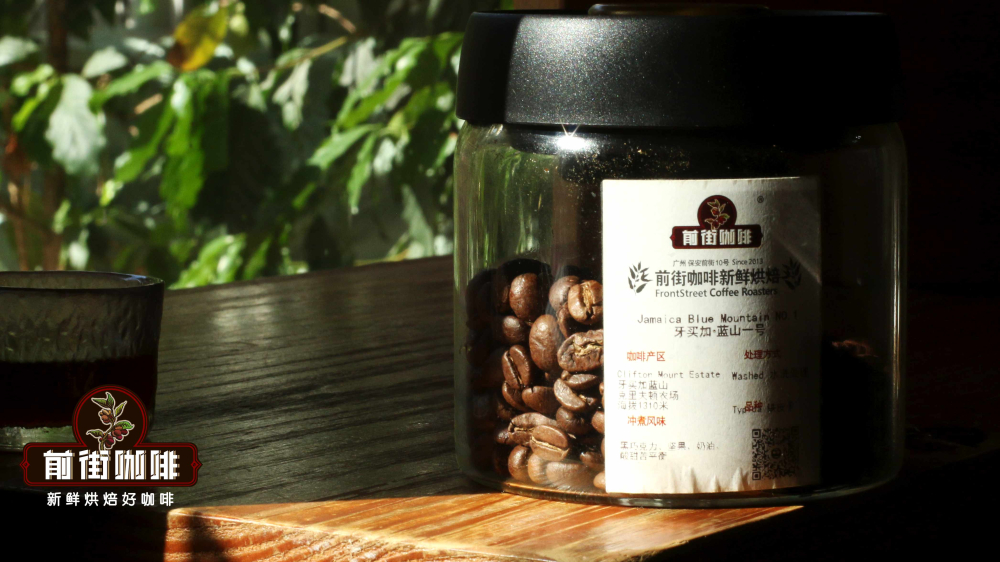
Next is Jamaica Blue Mountain, celebrated as the “Coffee Emperor.” Genuine Blue Mountain beans are grown only in the core area of Jamaica’s Blue Mountains and are famed for their perfect balance of acidity, sweetness, and bitterness. The cup is rich yet smooth, offering an extremely comfortable drinking experience. The reputation of this bean was solidified in the 1970s and 80s through systematic efforts in quality control, transportation, and brand management, along with strong promotion in the Japanese market, establishing its unshakable status in the specialty coffee world. Blue Mountain coffee is best enjoyed as a black coffee via pour over or siphon, fully expressing complex flavors such as dark chocolate, nuts, cream, and caramel, with a sweet and lingering finish. For brewing, a light to medium roast is advised, with water around 90°C and a fine grind to highlight its delicate layers.
Ethiopian Yirgacheffe, grown at elevations of 1700 to 2100 meters in highland regions, is one of the world’s highest-altitude coffee-growing areas and an ideal habitat for Arabica beans. The microclimate here is unique, with abundant water sources, significant day-night temperature variation, and mineral-rich soil, all contributing to the coffee’s distinctive bright flavor. Its most notable traits are vibrant fruit acidity and delicate floral notes, often with hints of jasmine, lemon, or white blossoms, while the aftertaste offers a tea-like freshness. This bean shatters the stereotype that coffee is merely strong and bitter, making it perfect for those who prefer a clean and bright cup. It’s recommended to use a light roast, with water around 88-90°C, fine grind, and a higher-temperature pour over technique to fully highlight its floral and fruity aromas as well as lively acidity.
Colombian Huila beans represent the classic multifaceted flavors typical of Central and South American coffees. As the world’s second-largest Arabica producer, Colombia is known for its plump beans and balanced profiles. The washed Huila beans offer pronounced nutty tones, dark chocolate aromas, and soft caramel sweetness, alongside moderate fruit acidity for a well-rounded and layered cup. These beans suit various brewing methods—whether espresso machines, moka pots, French presses, siphons, or pour overs and drip systems—they consistently deliver stable and enjoyable flavors. A medium roast is suggested, with water at 90-92°C and a medium-fine grind, balancing the nutty and sweet characteristics.
Finally, we have the Brazilian Red Bourbon beans from the Cerrado region. Grown at around 1000 meters altitude with stable temperatures of about 21°C year-round and fertile, mineral-rich soil, these beans are not only full-bodied but also boast exceptional clarity and sweetness. The Red Bourbon variety naturally carries nutty and almond aromas, and when brewed, often presents a milk-like smooth mouthfeel, with a finish reminiscent of the gentle warmth of genmaicha (brown rice tea). As an Americano, this bean has soft and balanced acidity; when paired with milk, it highlights a combination of creamy, nutty, and cookie-like aromas, making it ideal for lattes or flat whites. For brewing, a medium-dark roast is recommended, using water at 91-93°C and a medium-coarse grind to bring out its warm and rich qualities.
The above content is compiled by CoffeeHunters, a coffee news website.


