







Introduction:Espresso is the cornerstone of Italian-style coffee beverages, serving as the foundation for everything from Americanos and lattes to cappuccinos. This article delves into the extraction principles and historical background of espresso, explores its key differences from American coffee, and dissects the design philosophy and flavor profiles of four classic Italian blends from a well-known coffee shop. It also provides practical parameters such as dose, extraction time, TDS measurements, and extraction yield, along with a standard seven-step extraction process to help you fully grasp the logic behind making espresso and the nuances of tasting it.
Espresso is the foundation of the Italian coffee beverage system. Whether it’s an Americano, latte, cappuccino, flat white, or mocha, they all originate from this rich and intense base. Understanding the extraction principles of espresso not only helps us appreciate its unique flavors but also deepens our understanding of the differences and connections between various Italian-style drinks.
Espresso is made by forcing hot water (typically around 92°C) through a compacted bed of finely ground coffee under high pressure. This process extracts soluble compounds and fine oils from the coffee, resulting in a concentrated and highly flavorful shot. Compared to regular drip coffee, espresso has a more intense flavor and a thick layer of crema, making it the quintessential form of Italian coffee and often seen as the benchmark against which American coffee is compared.
The origin of American coffee is actually tied to the U.S. military during World War II. At the time, American soldiers stationed in Europe found the strong and intense flavor of espresso too harsh and hard to adapt to, so they diluted it with hot water to recreate a taste similar to the drip coffee they were used to back home. This act drew ridicule from Europeans, who mockingly dubbed the diluted version “American coffee.” The French even privately called it “sock coffee,” implying that its taste was as bland as foot-washing water. Today, most American coffee on the market is made by adding water to espresso, with ratios ranging from 1:4 to 1:9, adjusted according to personal taste and shop recipes.

In terms of common brewing methods, one shop’s hot Americano uses a 1:4.5 coffee-to-water ratio, an optimized choice based on the characteristics of their blend and cup size. Meanwhile, their iced Americano has a ratio close to 1:9, offering a crisper taste, lower bitterness, and a prominent chocolatey finish. Different blends can impart distinct flavor profiles to American coffee, such as nuttiness, wine-like notes, or a creamy texture.
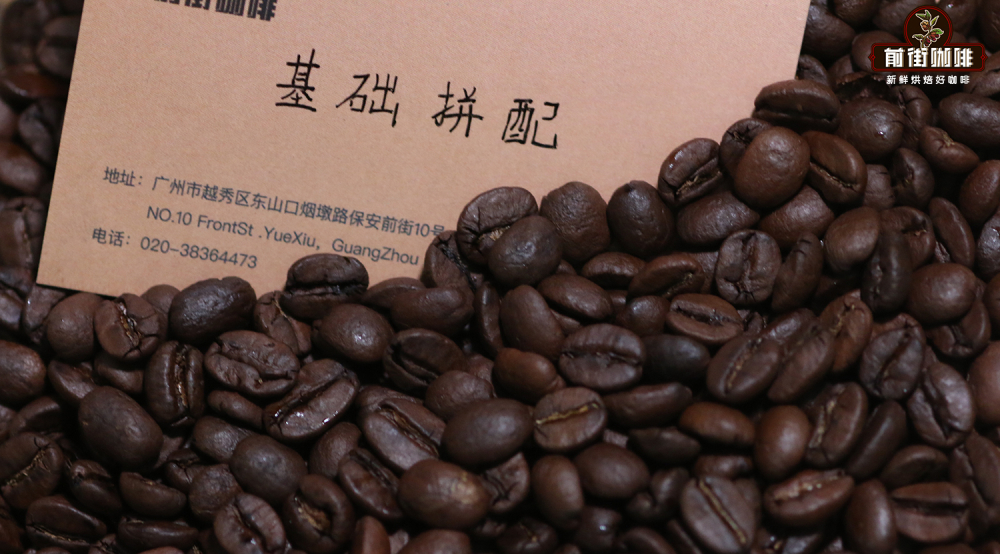
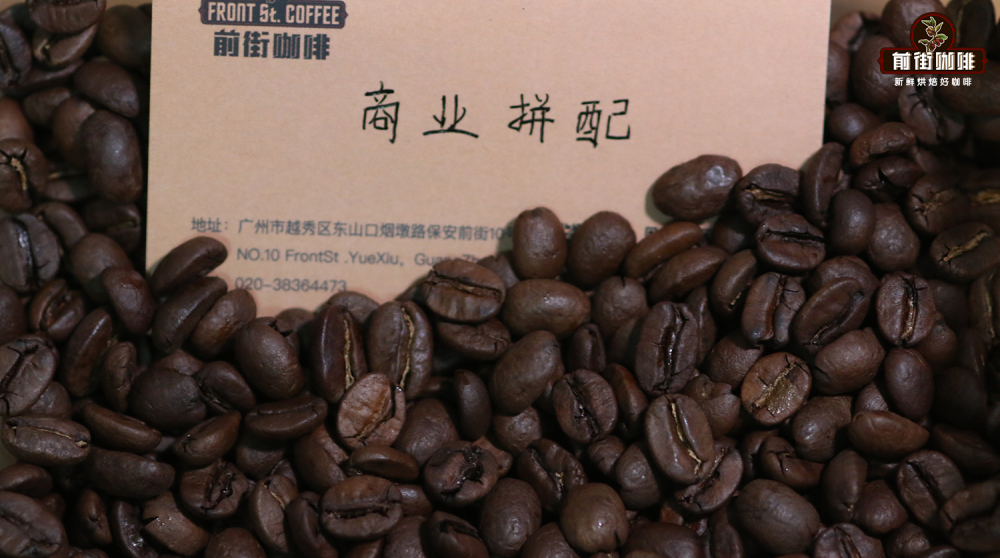
A certain coffee shop offers four Italian-style blends tailored to different needs: Premium Blend, Commercial Blend, Dark Cocoa Blend, and Warm Sun Blend. Among them, the Dark Cocoa Blend uses Arabica beans from Brazil, Colombia, and Yunnan, focusing on high cost-performance and stable flavor, making it ideal for shops seeking a balance of crema and aroma. The Commercial Blend adds 10% Robusta beans to enhance overall body and chocolatey flavors, harmonizing particularly well with milk—perfect for lattes or cappuccinos.
The Premium Blend is based on high-quality Arabica beans from Brazil and Colombia, delivering a clean and clear taste with distinct nutty and chocolatey notes, catering to consumers who prefer a refreshing profile. The Warm Sun Blend is an innovative recipe launched by the coffee shop in 2019, combining 30% Yirgacheffe Red Cherry and 70% Honduran Sherry. It aims to be a flavor-forward blend, with its vanilla cream and fermented wine-like characteristics winning over flavor-sensitive drinkers.
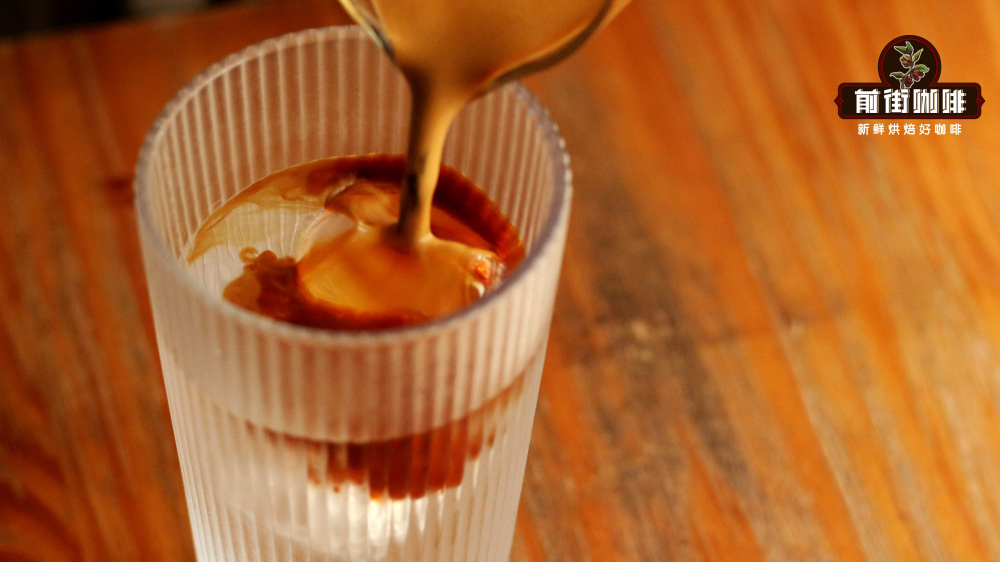
During the espresso extraction process, several key parameters must be noted. First, the coffee dose typically ranges between 18 to 22 grams, depending on the portafilter basket size. It’s recommended to use a precise electronic scale to control the error within ±0.1 gram. A common extraction yield range is 36 to 40 grams, with a coffee-to-water ratio of about 1:2—that is, 2 grams of coffee liquid extracted per 1 gram of coffee grounds. This ratio achieves an ideal balance between flavor and concentration.
If the yield is too high, it can lead to over-extraction, resulting in unpleasant bitter and astringent flavors. If the yield is too low, under-extraction may occur, leading to thin flavors and pronounced acidity. The extraction time should ideally be controlled between 25 to 35 seconds. This range allows for the full extraction of desirable compounds while avoiding the release of undesirable ones. If the extraction is too fast, it may be due to overly coarse grinding or insufficient tamping. If it’s too slow, it could be because the grind is too fine or the pressure is too high, requiring adjustments to grind size and tamping technique.
To evaluate the quality of espresso, besides relying on taste perception, you can also use a TDS (Total Dissolved Solids) refractometer to measure and further calculate the extraction yield. Using the formula: (TDS value × coffee liquid weight) ÷ coffee dose = extraction yield, you can quantify extraction efficiency and adjust parameters to achieve the desired flavor profile. Generally, an extraction yield between 18% and 22%, with a TDS value between 8% and 12%, is considered ideal.
The espresso-making process can be divided into seven main steps: first, ensure the portafilter basket is dry and free of residual moisture; next, use an electronic scale to accurately weigh the coffee dose; then distribute the grounds evenly through leveling (distribution); tamp the coffee evenly with a tamper; tap the portafilter lightly to remove excess air, then attach it to the machine; press the extraction button to start the brew; finally, after extraction, gently remove the portafilter and immediately clean the group head to maintain equipment cleanliness and consistent performance.
A recommended standard espresso extraction protocol from a certain coffee brand is: 20 grams of coffee dose, 40 grams of yield, with a time of around 30 seconds. These parameters yield a rich and balanced shot, suitable as a base for various milk-based coffees. To further enhance flavor performance, you can fine-tune grind size and coffee-to-water ratio based on bean characteristics and personal taste.
With a grasp of these fundamental principles and practical techniques, you can approach various Italian coffee preparations with more confidence and adjust to your preferred espresso flavor based on different beans and needs. Whether enjoyed as a single origin or as the base for lattes and cappuccinos, espresso reveals rich layers and intricate details.
To make iced coffee or milk-based coffee, simply add cold milk or use a steam wand to create microfoam on top of the espresso, easily transforming it into a variety of classic Italian drinks. Remember, great espresso relies not just on equipment but also on a keen sense of parameter control and a spirit of continuous experimentation.
The above content is compiled by CoffeeHunters, a coffee news website.


