







Introduction:Geisha coffee is renowned for its distinctive citrus, jasmine, and berry aromas, standing in stark contrast to the typical bitter and astringent profile of ordinary coffee. This article delves into the origins, processing methods, and flavor characteristics of Panama’s Hacienda La Esmeralda Red and Green Label Geishas, guiding you on how to choose the Geisha beans that best suit your taste through cupping scores, altitude, and processing techniques — along with practical brewing references.
Geisha coffee has now become a legendary variety in the specialty coffee world, celebrated for its unique citrus, bergamot, jasmine, and berry aromas, paired with bright acidity and a juicy mouthfeel, completely redefining people’s traditional perception of coffee. This once-obscure coffee variety rose to fame thanks to the promotion by Panama’s Hacienda La Esmeralda, becoming a top-tier bean sought after by coffee enthusiasts around the globe.
What sets Hacienda La Esmeralda’s Geisha apart is its rigorous grading system and uniquely favorable growing environment. According to the estate’s founder, Daniel, the Geisha variety was confirmed only after years of testing in 2003, and it unexpectedly won the Best of Panama (BOP) competition that same year. Its complex flavors — including jasmine, citrus, peach, and blueberry — quickly captured the attention of judges and the market alike.
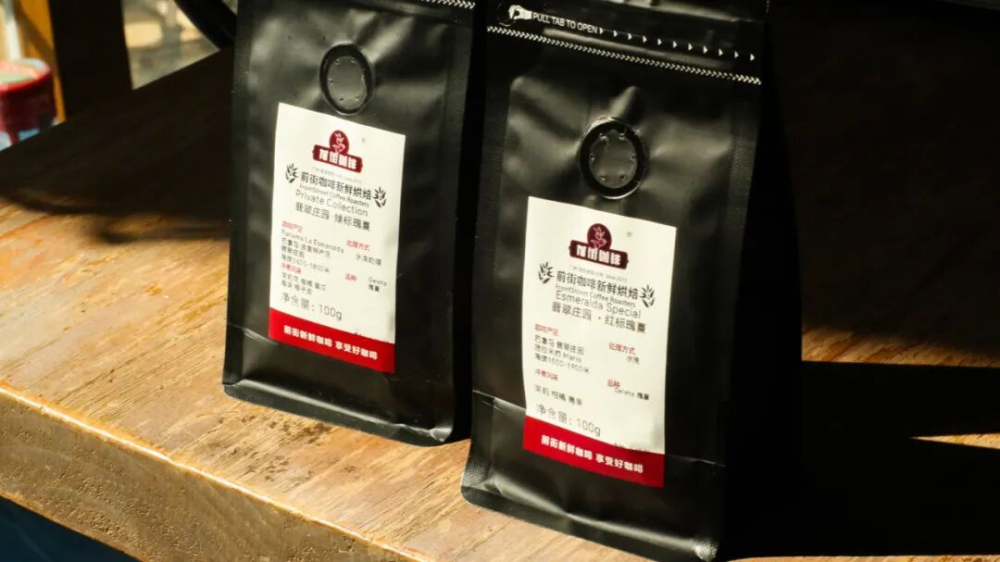
Among Hacienda La Esmeralda’s Geisha grading, the most representative are the two major series: Red Label and Green Label. The Red Label Geisha, officially named ESMERALDA SPECIAL (also commonly found in auction lots), represents the top-tier beans sourced from specific high-altitude plots and carefully selected from single estates, typically scoring over 90 points in cupping. These Geishas are mainly grown at farms such as Jaramillo and Cañas Verdes, at altitudes between 1600 and 1800 meters, not only posing significant cultivation challenges but also imparting the coffee with intense floral and fruity notes.
The auction lots within the Red Label Geisha are the crème de la crème, each with a clearly identified plot number, and with detailed traceability from planting, harvesting, to processing. These auction beans often fetch high prices at auctions and are highly coveted by coffee collectors and aficionados. If you’re seeking the purest and most layered Geisha experience, the Red Label is definitely the top choice for beginners.
In contrast, the Green Label Geisha takes a more accessible and high-value-for-money approach. Although it doesn’t participate in auctions, it also uses high-altitude Geisha beans from micro-lots at altitudes between 1600 and 1800 meters. These beans are not differentiated by specific plots, but are uniformly processed using the washed method, preserving a clean and bright acidity along with refreshing notes of lemon, berries, pomelo, and a subtle Tieguanyin tea aroma — making it ideal for coffee lovers who enjoy a refreshing profile or want to explore the foundational flavors of Geisha.
In terms of processing methods, both Red and Green Label Geishas mostly use the washed process. This technique effectively highlights the balance of sweetness and acidity in the beans and enhances their clarity, making the floral and fruity aromas even more prominent. The washed process involves strict steps such as depulping, fermentation, washing, and drying, each of which affects the final flavor expression. Therefore, choosing an estate with experienced and skilled processing is especially important.
For coffee enthusiasts wanting to experience Geisha through pour over, it’s recommended to use medium-light roasted Red or Green Label Geisha, with a grind size of about medium-fine (similar to granulated sugar), and water temperature controlled between 90–93°C. A three-stage pouring method can be used, with a total water volume of around 240 ml, and a brewing time suggested to be between 2 minutes 30 seconds to 3 minutes, helping to fully bring out its floral and citrus characteristics.
In summary, the charm of Geisha coffee lies in its diverse and delicate flavor profile. Whether you’re just starting out or are a seasoned coffee enthusiast, you can find an option you love among the Red and Green Labels. The Red Label is suited for those pursuing ultimate flavor and collectible value, while the Green Label offers a cost-effective way to experience the essence of Geisha alongside everyday drinking. By understanding their origin, processing, and cupping features, you’ll be better able to appreciate the unique coffee world that Geisha offers.
The above content is compiled by CoffeeHunters, a coffee news website.


