







Introduction:An in-depth analysis of the flavor profiles of Ethiopia’s Sidamo region and its important sub-region, Yirgacheffe (here translated contextually as “夏奇索”), exploring how factors such as terrain, climate, altitude, and processing methods shape the multi-layered expressions of floral, fruity, nutty, and cocoa notes in both washed and natural processed coffees. The article also covers well-known regions such as Guji and Hambella, and through actual flavor profiles and processing characteristics, helps readers select specialty coffee beans that suit their personal taste preferences.
As a genetic treasure trove of coffee, Ethiopia’s southern region of Sidamo is renowned for its distinctive acidity and rich juiciness, forming a sharp contrast with the northern region of Yirgacheffe. Although Yirgacheffe was originally part of Sidamo, it was later designated as an independent region due to its exceptionally outstanding flavor profile. This means that although the coffees from both areas share a common origin, they exhibit markedly different aromatic personalities. For coffee enthusiasts eager to explore Ethiopian flavors, understanding the geographical characteristics and processing differences of Sidamo and its sub-regions—such as Guji, Yirgacheffe (夏奇索), and Hambella—is the first step toward appreciating specialty coffee.
Sidamo is located at the southern end of the East African Rift Valley and became an official administrative region of Ethiopia in 2009. The area features undulating mountains, lies at high altitudes, receives up to 2000 mm of annual rainfall, and benefits from fertile volcanic soils—all of which provide optimal conditions for coffee tree growth. Thanks to the cool climate and long growth cycle, coffee cherries are able to accumulate more sugars and flavor compounds, resulting in Sidamo coffees that generally possess intense acidity and a full-bodied mouthfeel.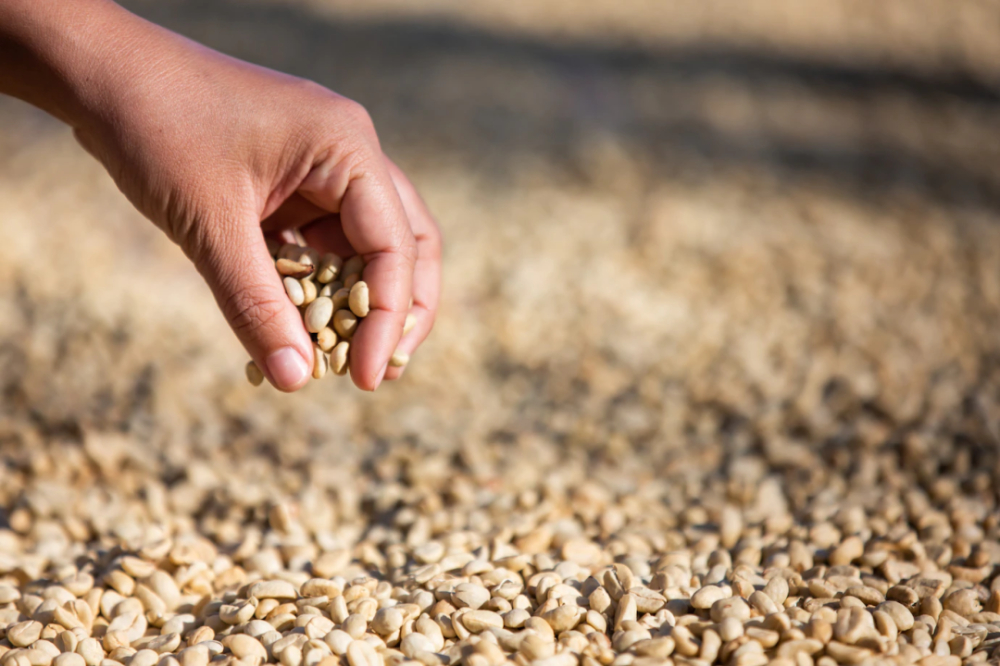
Among the many sub-regions, Guji has garnered significant attention in recent years. Originally part of Sidamo, Guji was reclassified as an independent region by the Ethiopia Commodity Exchange in 2010 due to the exceptional quality of its coffee. Situated on a plateau with deep soil layers—in some areas exceeding two meters—and an average altitude of over 1800 meters, coupled with notable diurnal temperature variations, Guji is conducive to sugar accumulation and flavor development in coffee cherries. It is worth noting that Guji is often mentioned alongside Sidamo and Yirgacheffe (夏奇索) in administrative contexts, mainly due to its classification under the larger Oromia Region.
Among them, Hambella is located at the border between Guji and Sidamo, administratively falling under the Shakisso woreda of the Guji Zone. It is a relatively niche yet highly promising region. Adjacent to Kochere in Yirgacheffe and separated by a mountain range that peaks at 3200 meters, Hambella is one of the highest-altitude coffee-growing areas in Ethiopia. The unique microclimate and high elevation here give rise to a distinctive coffee character.
Speaking of Hambella, one cannot overlook the once globally popular “Huakui” (花魁) coffee. This coffee, submitted by DW Company in 2017, won the championship in Ethiopia’s annual TOH (Taste of Harvest) competition, instantly gaining widespread fame. The Huakui coffee originates from Hambella and is produced by the local Buku Abel washing station using the natural processing method. Buku Abel sources high-quality coffee cherries from surrounding farmers, processes and dries them collectively, ultimately creating a unique flavor profile.
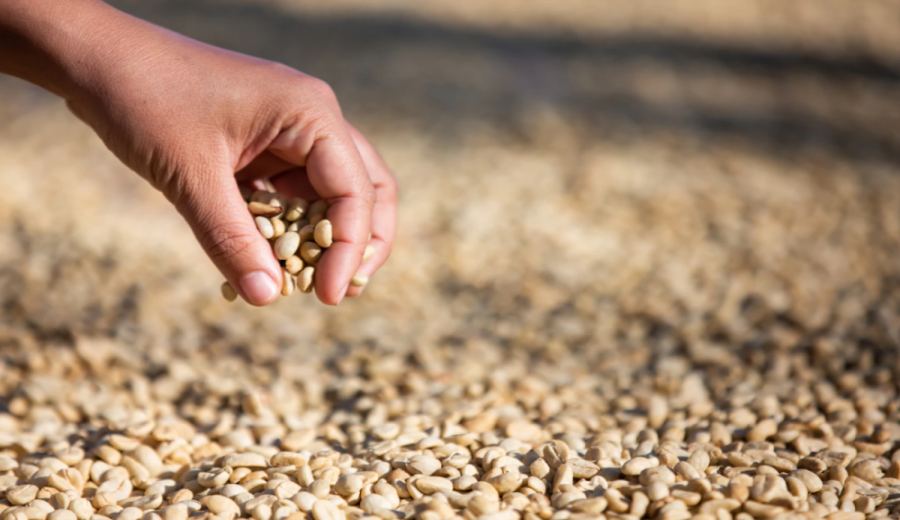
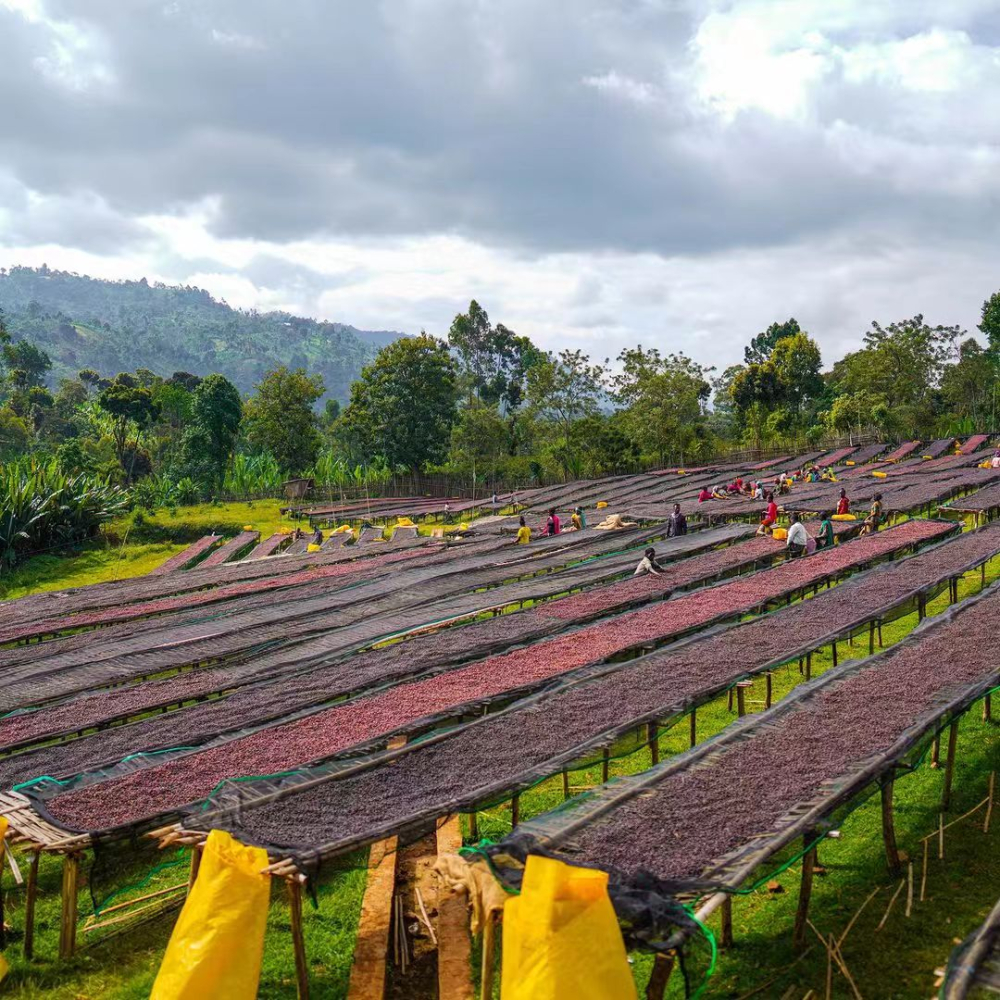
The processing methods for Sidamo coffee are mainly divided into two categories: washed and natural (日曬). The washed process typically begins with the removal of unripe or defective cherries, followed by the stripping of the pulp and flesh. The beans are then fermented in clean water tanks before being sun-dried to achieve a moisture content of around 12%. This method enhances the clarity of the coffee, making citrus, floral, and herbal notes more prominent. In contrast, the natural process involves drying the entire coffee cherry with its husk intact until the moisture content drops to the standard level, after which the outer layers are removed. This approach retains more sugars from the fruit pulp, resulting in intense tropical fruit, honey, and caramel-like aftertastes.
In terms of actual flavor profiles, washed Sidamo often exhibits bright lemon acidity, nutty aromas, and a soft cocoa finish, offering a refreshing and well-layered cup that suits drinkers who prefer a cleaner, brighter taste. In comparison, naturally processed Sidamo showcases intense floral and berry notes, sometimes even carrying a hint of earthiness, with a more pronounced sweetness and a softer, lingering acidity. Regardless of the processing method, Sidamo coffees are celebrated for their full body and delicate balance, and are best brewed using light to medium roasts to preserve their most authentic and original flavors.
For pour over enthusiasts, it is recommended to use a medium-fine grind, with water temperature controlled between 90–93°C, and a coffee-to-water ratio of 1:15 to 2:1, which can effectively highlight the fruit acidity and aromatic layers of Sidamo coffee. To experience the classic flavor profile of Sidamo, you may choose either a washed lot or a naturally processed bean with intense fruitiness and sweetness. Both options showcase the unique charm of the Sidamo region and are excellent entry points for exploring Ethiopian coffee.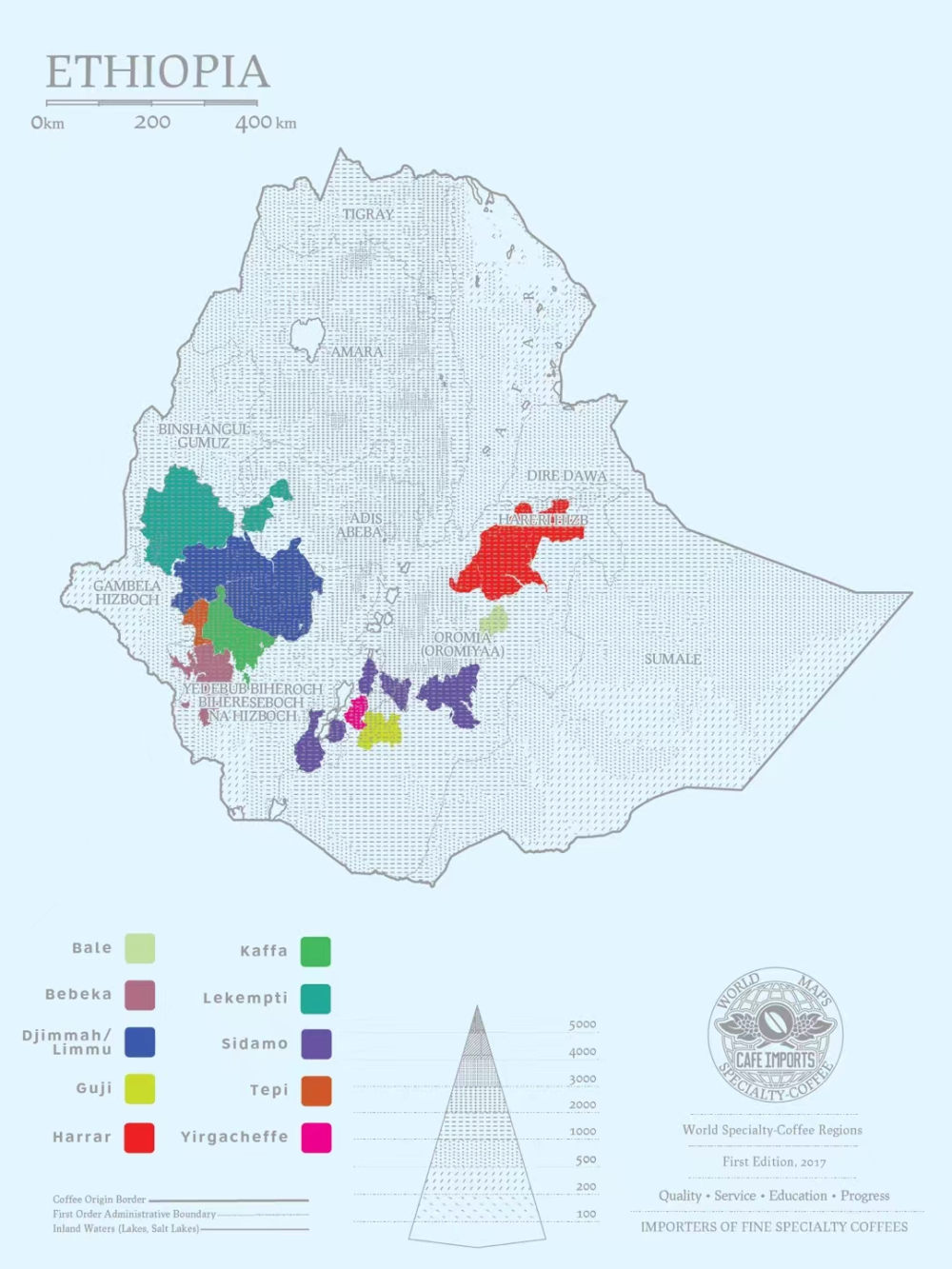
The above content is compiled by CoffeeHunters, a coffee news website.


