







Introduction:In recent years, Yunnan small-grain coffee has become a new favorite in the daily cups of many coffee enthusiasts, winning praise for its approachable price and stable flavor profile. This article takes an in-depth look at the geographical advantages of Yunnan’s coffee-growing regions, explores the characteristics of the dominant Typica variety, and compares the differences between washed and natural processing methods. It also provides professional-grade pour over brewing recommendations — including water temperature, grind size, and a three-stage pouring technique — to help you grasp the layered expressions of Yunnan coffee and understand it from origin to cup.
Yunnan small-grain coffee has risen rapidly in popularity among coffee lovers in recent years. With its balanced flavor profile and reasonable pricing, it has become the go-to daily brew for many. Among them, beans from the Baoshan and Lincang growing regions showcase the purest side of Yunnan coffee through traditional washed and natural processing methods. This article will delve into the regional environment, varietal background, and processing techniques, detailing the unique flavors of the Typica variety, and sharing a practical and precise pour over brewing method to help you easily recreate a layered, high-quality Yunnan-style black coffee at home.
 When it comes to brewing Yunnan small-grain coffee, the pour over method is highly recommended — as the temperature gradually decreases, the flavor layers will naturally unfold and evolve. Before getting started, it’s worth understanding a few key characteristics of this coffee.
The so-called “small-grain coffee” is actually in contrast to the medium-grain Robusta grown in places like Hainan, and it belongs to the Arabica species. Currently, the most widely planted variety in Yunnan is Catimor, but there are still small amounts of traditional cultivars such as Typica remaining. This coffee tree thrives in warm environments — although it can tolerate certain high temperatures, it is very sensitive to cold. It requires abundant sunshine during the growth period and is best suited to regions with an average annual temperature of 16 to 21°C.
The world’s “coffee belt” refers to the area between the Tropic of Cancer and the Tropic of Capricorn, roughly between 25° north and south of the equator, and Yunnan is right within this zone. Most of the province’s coffee farms are located in highland areas at elevations of 1,000 to 2,000 meters. The sloping terrain, combined with fertile soil, abundant rainfall, and significant day-night temperature variations, offers ideal conditions for coffee cultivation.
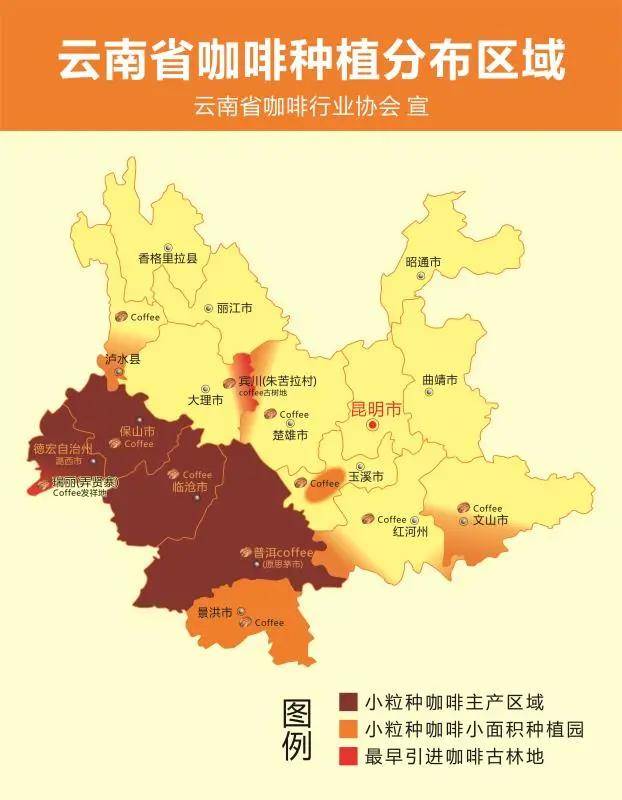
Yunnan’s main coffee-growing regions are concentrated in the southwestern part of the province, including Baoshan, Dehong, Pu’er, and Lincang. The two representative beans introduced in this article come from Baoshan and Lincang respectively.
Baoshan began planting coffee in the mid-1950s, when patriotic overseas Chinese Mr. Liang Jinshan introduced the seedlings. The local Luguangba Valley enjoys a rare dry-hot river valley climate, with no frost throughout the year, noticeable yet stable day-night temperature differences, and moderate rainfall — all of which contribute to the unique aftertaste of Baoshan small-grain coffee. For this reason, many coffee connoisseurs consider Baoshan beans the ideal entry point for experiencing authentic Yunnan flavors.
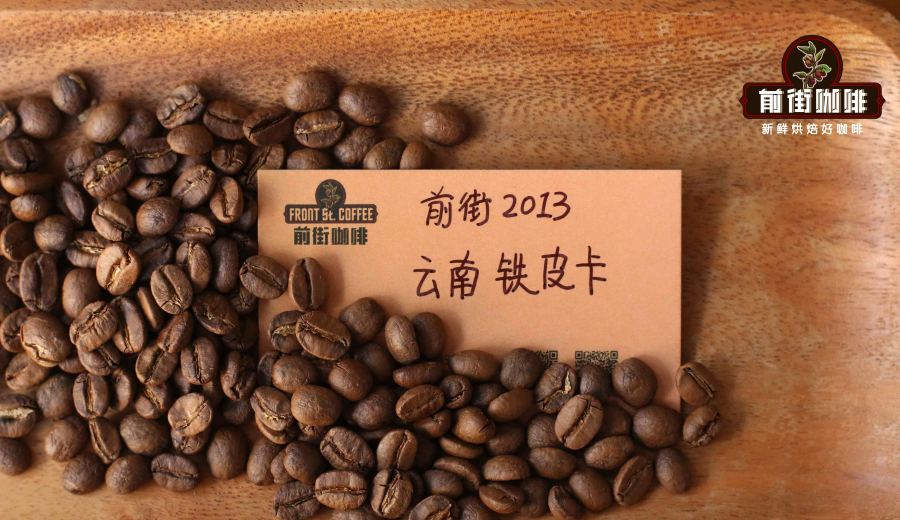
Lincang is another noteworthy growing region. The industry established its own estate here in 2013, taking full control of site selection, seedling cultivation, harvesting, and processing, accumulating extensive hands-on experience. Located at around 20 degrees north latitude, Lincang has an average annual temperature of 16.8 to 17.2°C, distinct wet and dry seasons, and excellent sunlight conditions. This region specifically plants the most original Arabica variety — Typica — and processes it using the natural method, ultimately producing the "2013" bean with distinct flavor characteristics.
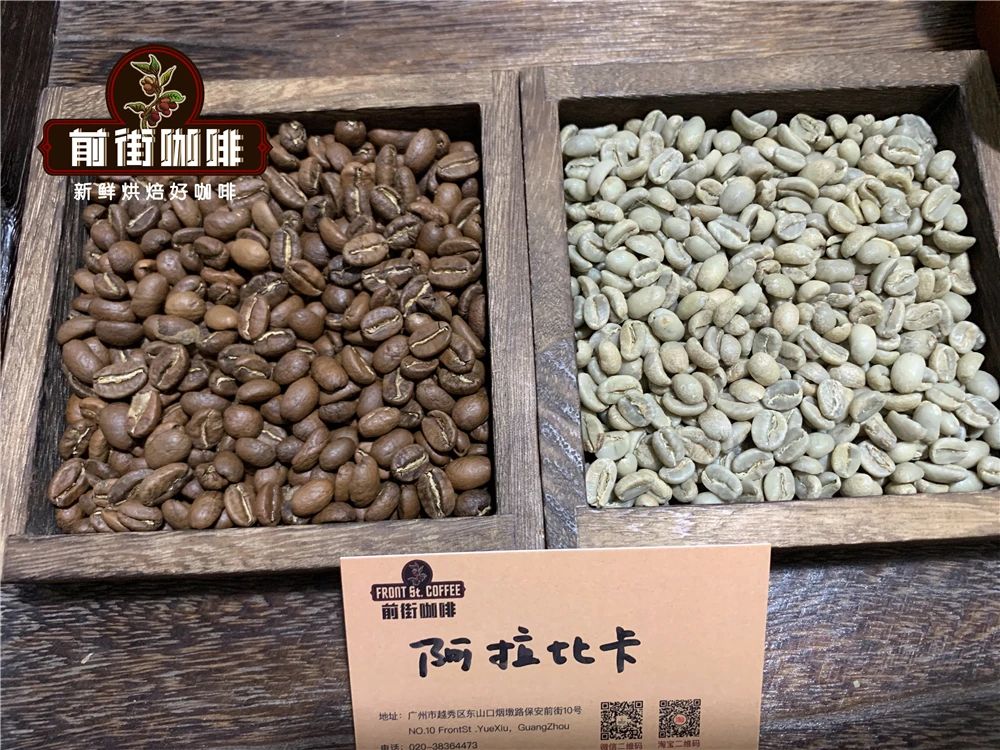 When it comes to the processing methods of Yunnan coffee, although the market offers various elaborate techniques, to truly appreciate the most authentic regional characteristics, it is still recommended to start with the two traditional methods: washed and natural. The three Yunnan-origin beans currently available are all presented using these two processes.
Take Baoshan small-grain coffee as an example: opting for washed processing, which removes the pulp layer through fermentation and rinsing, can more clearly highlight the unique flavor structure of this region. Meanwhile, the "2013" bean uses the natural method — only selecting fully red, ripe coffee cherries and ensuring even drying through regular turning. The drying beds used have good ventilation meshing, effectively avoiding off-flavors caused by over-fermentation. Cupping results show that the naturally processed Typica not only delivers a richer sweetness, but also more layered aromatics.
Given the balanced flavor profile of Yunnan small-grain coffee, industry experts recommend using a medium roast level — enhancing chocolate-like aromas while retaining some bright acidity. In cuppings, you’ll often detect dry aromas of nuts and herbs, while the cup brings a sweet sensation akin to brown sugar paired with a soft plum-like acidity, resulting in an overall round and harmonious mouthfeel. As for the natural version "2013," it showcases a more pronounced fruity and melon-like sweetness, paired with a tea-like body and a chocolatey finish — its flavor line is clear and the aftertaste is clean.
For brewing, it is recommended to use a V60 filter cone, with a water temperature of 90 to 92°C (90°C is the suggested value), which can effectively balance the acidity, sweetness, and bitterness while highlighting the layers. Set the coffee-to-water ratio at 1:15, use a medium grind (approximately 75% passing rate through a No. 20 Chinese standard sieve), and employ the classic three-stage pouring technique.
The specific steps are as follows: First, place 15 grams of coffee grounds into the filter cone, then pour 30 grams of water for a 30-second bloom, slowly circling from the center outward to ensure the coffee bed is evenly wetted. Next, in the second stage, pour 120 grams of water with a vertical and steady stream — at this point the total water volume reaches 150 grams, and this should be completed around the 55-second mark. Finally, in the third stage, when the liquid level drops to about half, use a finer stream to pour in a small circular motion with 90 grams of water — avoid excessive agitation of the coffee bed. The total water volume is 240 grams, and the entire extraction time is approximately 2 minutes and 10 seconds.
 Before drinking, it is recommended to gently swirl the coffee to experience the subtle flavor shifts that emerge as the temperature decreases.
It is important to note that the above flavor descriptions are based on freshly roasted beans. Generally speaking, coffee beans require a 4 to 7-day degassing (resting) period after roasting before entering their peak flavor window. If stored for more than two months, both aroma and taste will noticeably decline. To ensure consumers enjoy coffee at its best, it is recommended to choose freshly roasted beans shipped within 5 days of roasting.
If you do not have a grinder at home, you may also consider purchasing pre-ground coffee or drip bags. However, please note that ground coffee has a significantly increased surface area exposed to air, accelerating aroma evaporation — it is therefore advisable to consume it as soon as possible. For the fullest expression of coffee’s complete flavor profile, owning your own grinder and grinding fresh for each brew remains the optimal choice.
Besides pour over, Yunnan small-grain coffee can also be brewed using a moka pot, French press, AeroPress, or drip bags, among other methods. As long as the basic parameters are well controlled, its distinctive flavor traits can still be beautifully presented.
The above content is compiled by CoffeeHunters, a coffee news website.


