







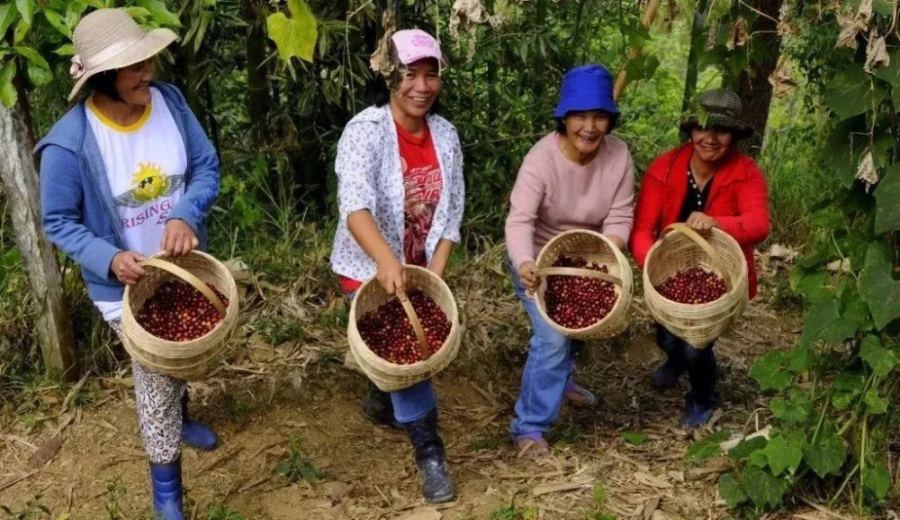
Introduction:Although Peruvian coffee is not as well-known as that from Colombia or Brazil, it thrives at high altitudes and within unique microclimates to produce specialty beans with a balanced acidity and sweetness, as well as exceptional cleanliness. This article takes you on a deep dive into the charm of this hidden South American origin — from the characteristics of Peru’s three major producing regions, the logic behind its altitude classification, to its washed processing methods — and analyzes the captivating floral, fruity, and tea-like flavor profile of the Cajamarca washed Geisha as an example.
Among the many coffee-producing countries in South America, although Peru is often overshadowed by the prominence of Colombia and Brazil, it boasts high-altitude terrain along the Andes Mountains, mineral-rich volcanic soils, and diverse microclimates. These factors contribute to the production of specialty coffees that are clean, bright in acidity, and elegant in sweetness. If you’re looking for a coffee bean with delicate flavors that’s ideal for pour over, Peru is definitely worth exploring.
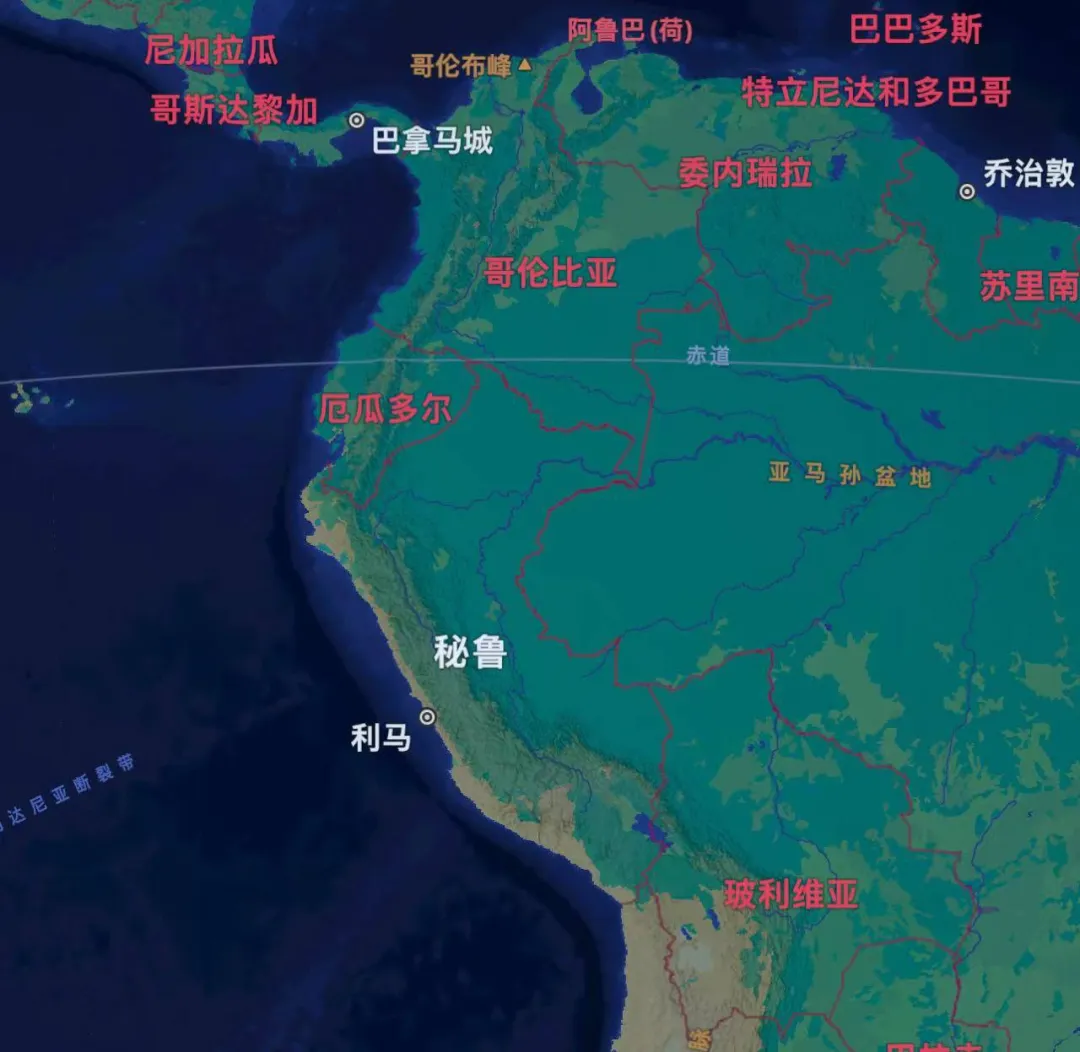
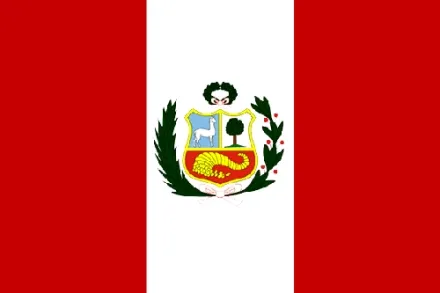
Located in western South America, Peru borders Ecuador and Colombia to the north, Brazil and Bolivia to the east, Chile to the south, and the Pacific Ocean to the west, covering a total area of over 1.28 million square kilometers. The country comprises 24 regions and 1 constitutional province. Its flag consists of three equal vertical stripes: the central white stripe symbolizes freedom and peace, while the two red stripes on either side represent the victories and sacrifices of the independence war. The central coat of arms features a South American vicuña, a cinchona tree, and a cornucopia, symbolizing abundant flora, fauna, and mineral resources.
The Andes Mountains, which run across the country, account for about one-third of Peru’s total area. The nation can be divided into three main geographical zones: the tropical desert plains along the western coast, the central high-altitude mountain plateaus (which include numerous active volcanoes and are also the source of the Amazon River), and the humid tropical Amazon rainforest in the east. Due to the complex topography, Peru has as many as 28 different climate types. Coffee is primarily grown in mid-to-high altitude areas surrounding the Andes, where suitable temperatures, ample rainfall, and well-drained volcanic soils create ideal conditions for cultivating Arabica coffee.
Peru’s coffee-growing regions can be broadly divided into northern, central, and southern zones. The dominant planted variety is Typica (accounting for approximately 70%), followed by Caturra and smaller amounts of other varieties such as Catimor. Planting altitudes generally range between 1,000 and 1,800 meters.
The northern region includes the Amazonas, Cajamarca, Piura, and San Martín regions, covering 43% of the country’s coffee-growing areas. Cultivation altitudes here range from 1,250 to 1,950 meters. Coffees from this area typically exhibit higher acidity, intense flavors, and moderate body, making it a favorite among many specialty coffee enthusiasts.
The central region encompasses the Huánuco, Junín, Pasco, and Ucayali regions, accounting for 34% of national coffee cultivation. Altitudes here mostly range between 800 and 1,200 meters. The beans produced tend to have soft acidity and a mild, smooth mouthfeel, suiting drinkers who prefer lower acidity profiles.
The southern region includes Apurímac, Ayacucho, Cusco, Madre de Dios, and Puno, covering 23% of the area. Elevations here range from 900 to 2,050 meters. Coffees from this zone are known for their full body and distinctive sweet aftertaste, featuring rich and recognizable flavor layers.
Similar to most South American countries, Peru’s coffee is predominantly Arabica, but its grading system is unique, primarily using an “altitude/hardness grading method.” The higher the altitude, the slower the coffee cherries grow, resulting in denser and harder beans with richer internal compounds, which in turn influence flavor expression. This grading approach provides an intuitive reflection of the coffee’s potential and serves as an important reference when making selections.
Thanks to abundant water resources, washed processing is commonly used for Peruvian coffee. The traditional washed process includes: flotation to remove floaters → removal of pulp and skin → mucilage fermentation (usually done in tanks to break down the fruit’s pectin) → rinsing with clean water → drying on patios (until moisture content reaches about 11%) → hulling to remove the parchment. This method effectively removes defective beans, allows easier control of fermentation levels, and results in coffee with high cleanliness, soft and delicate acidity, as well as rich fruit notes and a silky mouthfeel. As a result, it has gained widespread popularity in the global coffee market in recent years.
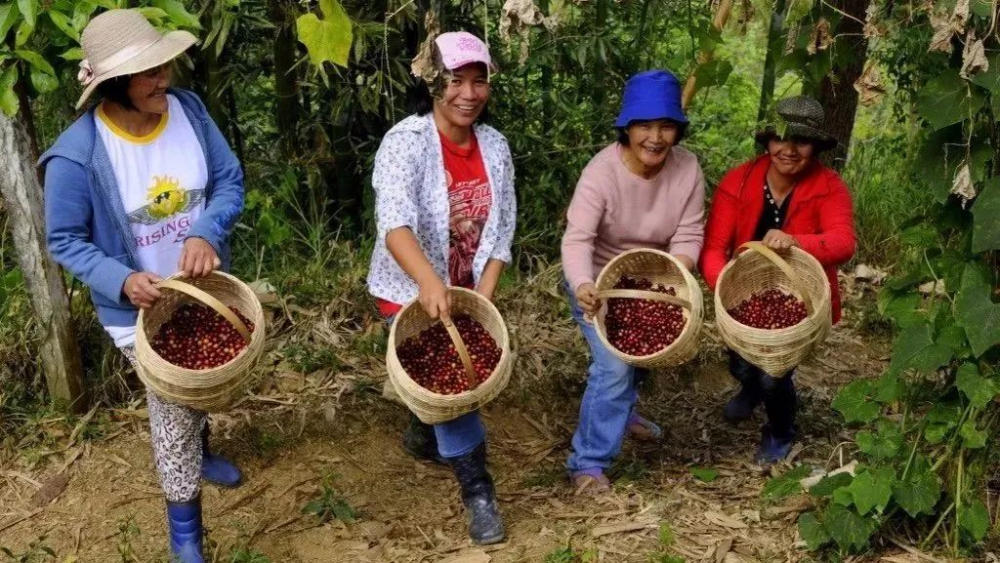
For a hands-on experience, a washed Geisha from Cajamarca — a specialty coffee hub in northern Peru — offers a direct taste of the country’s unique coffee charm. Cajamarca, located near the border with Ecuador in the high-altitude zone of the Andes Mountains, not only benefits from fertile volcanic soils and diverse microclimates, but also enjoys significant diurnal temperature variations that help accumulate flavor compounds in the coffee cherries. It was an important coffee-growing base chosen by European settlers in the early days.
Over time, local smallholder farmers have developed leading cultivation and post-harvest techniques, making Cajamarca a rising star in the specialty coffee scene. In addition to traditional Typica, the region also grows the popular Geisha variety. Below, we’ll take a medium-light roasted “Cajamarca washed Geisha” that highlights floral notes and regional characteristics as an example to analyze its flavor profile.
Origin Information: Peru · Cajamarca Geisha
Country: Peru
Region: Cajamarca
Altitude: 1800–1950 meters
Variety: Geisha
Processing Method: Washed
Grade: SHB (Strictly Hard Bean, typically referring to high-density beans grown above 1350 meters)
Flavor Description: White floral, prune, citrus, juicy, black tea
During cupping, this coffee’s dry fragrance is intense, clearly capturing notes of white flowers, berries, preserved plums, and citrus. After pouring water, the sweetness of peach and caramel further unfolds.Upon tasting, delicate white floral notes appear first, followed by a vibrant acidity reminiscent of grapes, citrus, and prunes, delivering a refreshing and zesty mouthfeel. After swallowing, the lingering finish of black tea and caramel remains on the palate. The coffee is clean and layered, with a unique aftertaste reminiscent of licorice candy.As the temperature slightly drops, the acidity becomes even brighter, juiciness intensifies, and a rounded sweetness akin to apricot can even be detected. It is highly suitable for appreciation through the pour over method.
The above content is compiled by CoffeeHunters, a coffee news website.


