








Introduction:Although Tanzanian coffee is not as well-known as that of its neighbor Kenya, it is famed for the Kilimanjaro growing region, boasting unique high-altitude flavors and refined processing techniques. This article delves into the altitude, soil, and water advantages of this region, analyzes the characteristics of the classic Typica variety, explains the key steps of the local washed processing method, and provides practical brewing recommendations to help you enjoy this specialty coffee with its tea-like body and berry notes.
Among Africa’s many coffee-producing nations, Tanzania may not be as widely recognized as Ethiopia or Kenya, yet its coffee quality is equally esteemed—so much so that it has been dubbed the “gentleman of coffee” in European markets, ranking alongside Kenya and Rwanda as one of Africa’s top three coffee regions. This East African country, blessed with a unique geographical environment, produces coffee with distinctive flavors, particularly those from the Kilimanjaro mountain area, which are the most renowned.
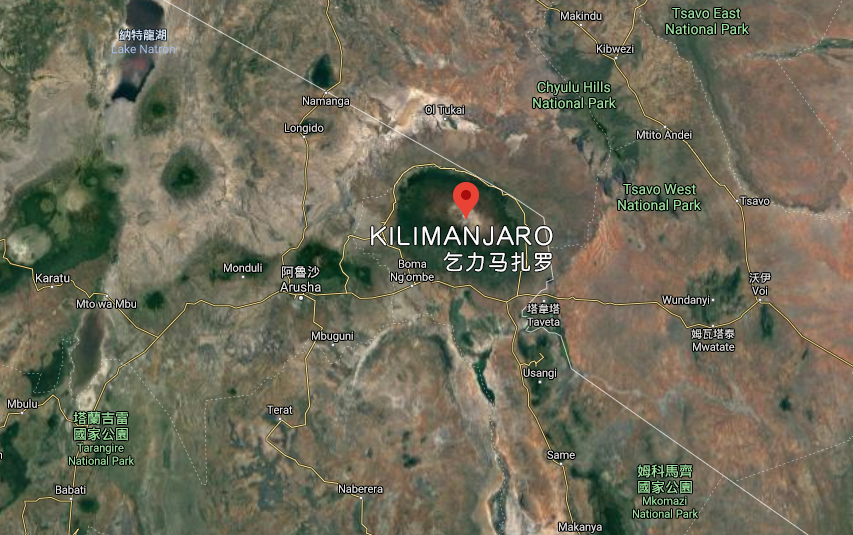
Located in East Africa south of the equator and bordering the Indian Ocean, Tanzania shares borders with eight countries including Kenya and Uganda. The country’s terrain features a stepped distribution, higher in the northwest and lower in the southeast, with the most famous being Mount Kilimanjaro, which stands at 5,895 meters above sea level. As Africa’s highest peak, it is also one of the country’s key coffee-growing regions. This area enjoys a distinct tropical mountain climate, with an average annual temperature between 21 to 26 degrees Celsius—perfect for coffee tree cultivation.
Coffee farming in Tanzania is primarily concentrated in the Kilimanjaro region and the southern highlands, with around 85% coming from smallholder farms. These farms are mostly located at elevations between 1,050 to 2,500 meters, benefiting from fertile volcanic soils and clean water sourced from melting mountain snows. This combination yields coffee beans with a rich body, soft acidity, and captivating aromas. Compared to neighboring Kenyan coffee, Tanzanian coffee offers a rounder acidity, more pronounced sweetness, and a bold, wine-like finish.
The history of coffee in Tanzania dates back to the 16th century, initially introduced from Ethiopia, and later developed into an important cash crop during the German colonial period. The country mainly cultivates varieties such as Typica, Bourbon, Kent, along with some locally bred disease-resistant strains. As early as 1925, Tanzania established its first coffee cooperative (KNRA), enabling producers to directly export coffee to the London market. In 2001, the Tanzania Coffee Research Institute (TaCRI) was founded to enhance coffee quality and international competitiveness.
The Kilimanjaro region is the heart of Tanzanian coffee production, with coffee grown at altitudes typically ranging from 1,050 to 2,500 meters—though the best quality is often found between 1,300 and 2,000 meters. Due to the high elevation, coffee cherries ripen more slowly, allowing for the accumulation of richer flavor compounds. Coupled with the region’s unique volcanic soils and natural water sources, the resulting coffee offers intense aromas, balanced acidity and sweetness, and a smooth body.
Among the many varieties, Typica is arguably one of the most iconic Arabica cultivars. This tall-growing plant yields relatively low output and is susceptible to diseases such as leaf rust. However, when cultivated in suitable high-altitude environments, it can deliver exceptional flavor profiles. Typica coffee typically exhibits bright acidity, delicate aromas, and good sweetness. Though production limitations have led to its gradual replacement by other varieties in many regions, it is still grown in places like Peru, the Dominican Republic, and Jamaica—with Jamaican Blue Mountain coffee being a classic example of Typica.
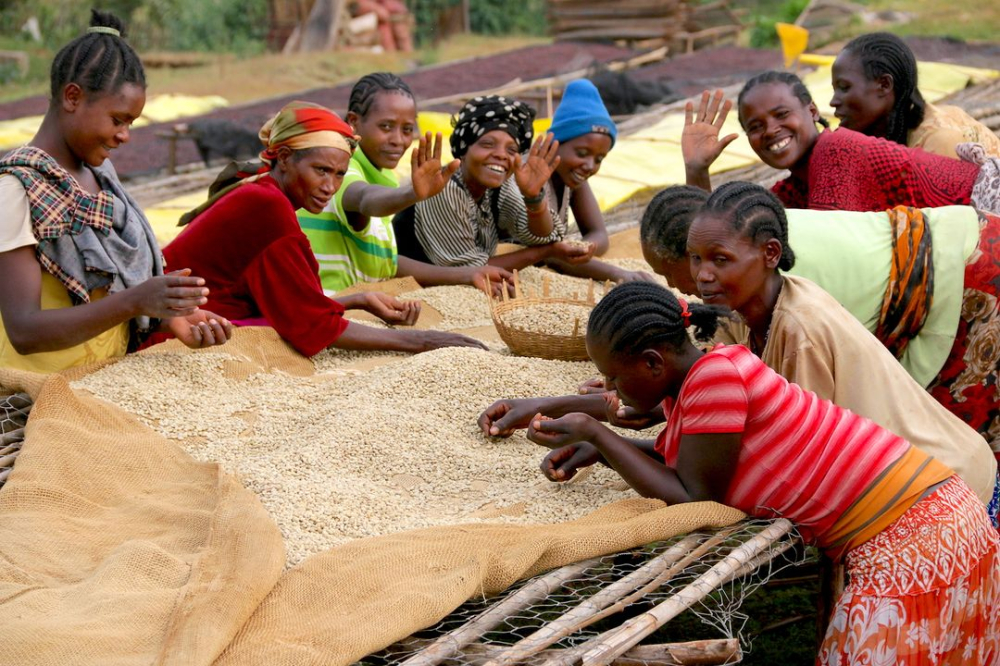
Tanzanian coffee is predominantly processed using the washed method, especially in the Kilimanjaro region. Small-scale farms usually send their harvested coffee cherries to local processing facilities for centralized processing. First, the cherries undergo flotation to remove unripe or defective ones; then, a pulper removes the outer skin and flesh, leaving the beans coated in mucilage. The mucilage-covered beans are then placed in fermentation tanks for 16 to 36 hours, allowing natural microbes to break down the mucilage layer. After fermentation, the beans are thoroughly rinsed with water to ensure no residue remains, and are finally sun-dried until their moisture content reaches the desired level.
The washed processing method imparts a well-defined acidity structure, clean mouthfeel, and soft body to the coffee, while also delivering rich fruit notes and sweetness. Tanzanian washed Typica coffee, in particular, showcases layers of citrus, berries, honey, and nuts, with a tea-like finish. The overall profile is balanced and refined.
If you’d like to brew Tanzanian Kilimanjaro washed Typica coffee at home, we recommend using a V60 dripper with a coffee-to-water ratio of approximately 1:15, and a water temperature around 92°C. These parameters help fully highlight the citrus and berry acidity, while bringing out the honey and nut sweetness. The cup presents a distinct tea-like mouthfeel, with harmonious flavors and a long, lingering aftertaste—making it an excellent choice for coffee lovers who prefer medium to low acidity and a delicate taste profile.
The above content is compiled by CoffeeHunters, a coffee news website.


