








Introduction:Mandheling is often mistakenly regarded as a coffee variety independent of Arabica, but in fact, it is not only a member of the Arabica family, but also a classic bean variety with a rich historical background and unique regional characteristics. This article will delve into the relationship between Mandheling and Arabica, explore its regional evolution and varietal changes, and provide practical segmented pour-over parameters to help you extract the captivating flavors of Mandheling—aromatic with spices, caramel, and brown sugar notes.
For beginner coffee enthusiasts, the dazzling array of variety names on packaging can be confusing. Many chain coffee shops emphasize "100% Arabica," and even those who enjoy the Mandheling flavor may not know which variety it actually belongs to. In truth, Mandheling is not a species parallel to Arabica, but rather a classic representative within the Arabica family, primarily grown in Sumatra, Indonesia, and known for its spicy, bold, and full-bodied profile.
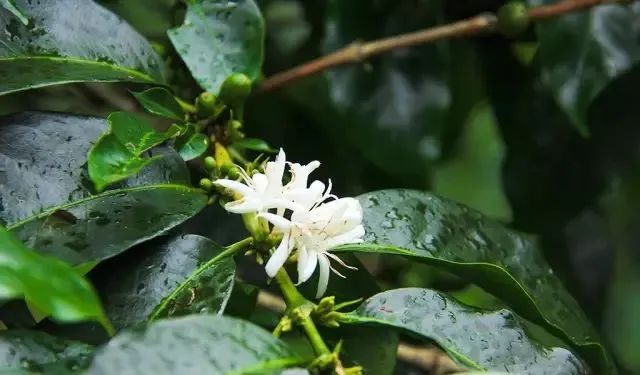
To understand the background of Mandheling, it’s first necessary to clarify the fundamental differences between the two major coffee varieties: Arabica and Robusta. Arabica is the most widely cultivated and popular type of coffee globally, accounting for over 60% of total world coffee production. It is mainly grown at elevations between 550 and 1,920 meters, where the cooler climate and significant day-night temperature variation allow the coffee cherries a longer growth period, contributing to the accumulation of complex and delicate flavors. Additionally, Arabica thrives in a growing environment of 19 to 21°C, with an annual average temperature ideally not exceeding 24°C. Fertile volcanic soil provides abundant minerals and good drainage, making it ideal for cultivating Arabica.
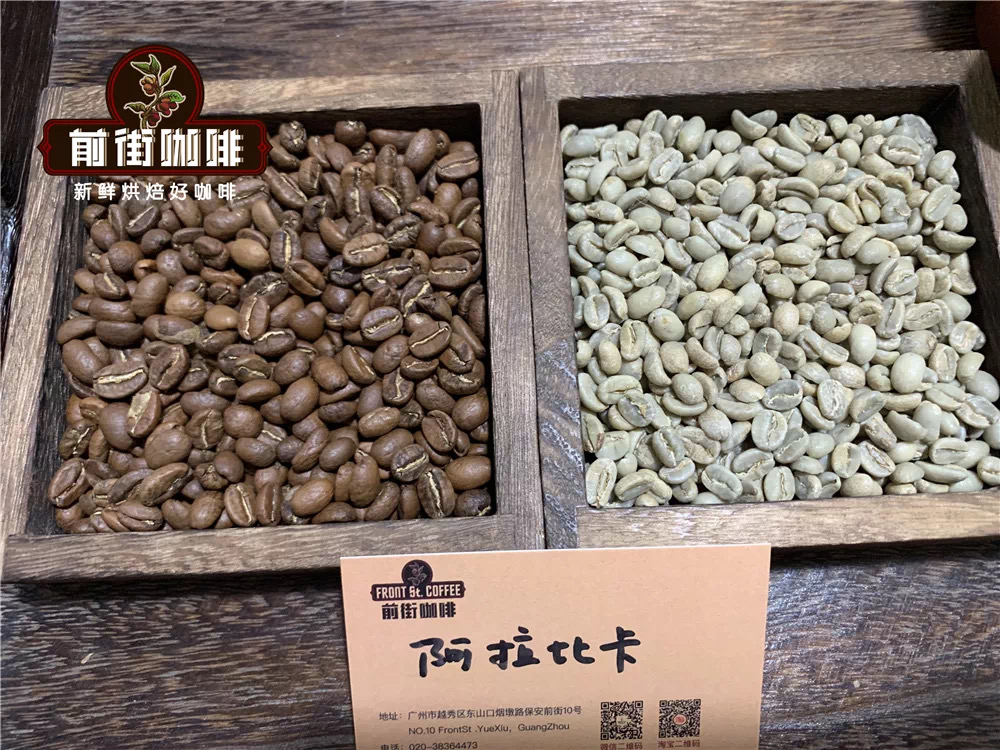
In contrast, Robusta is more adaptable, able to grow in low-altitude, high-temperature, and high-humidity environments, and has stronger resistance to pests and diseases. However, its flavor is generally more intense, often accompanied by noticeable bitterness, woody notes, and rubbery aftertastes, which are related to its higher caffeine and chlorogenic acid content. Robusta is commonly found in instant coffee or espresso blends, used to enhance body and richness. Nevertheless, high-quality Robusta can also deliver impressive performance and is not entirely negative.
So, which category does Mandheling belong to? The answer is: it is an important member of the Arabica family. The name "Mandheling" originates from the Mandheling people of Sumatra, Indonesia, not the coffee variety itself. Historical records indicate that during World War II, a Japanese officer inquired about the origin of the coffee in Sumatra but was misunderstood as asking about the ethnic background of the people. The locals answered "Mandheling," and this misunderstanding led to the coffee being named after them. It was later introduced to the market by the then-trader PWN (PT. Pawani), which remains a representative supplier of high-quality Mandheling to this day.
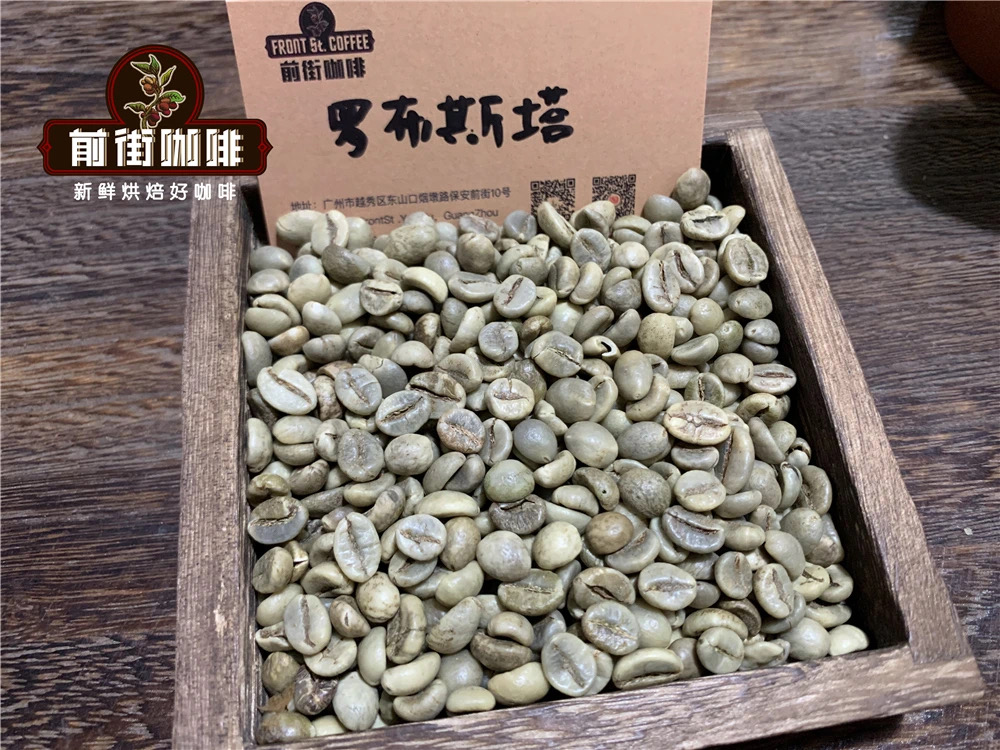
The PWN Golden Mandheling introduced is a classic variety from northern Sumatra, Indonesia, renowned for its exceptional quality and distinctive flavor. It’s worth noting that many products on the market labeled as "Golden Mandheling" may not come from the authentic PWN supply chain. Ways to identify genuine products include checking for the PWN logo on the raw bean jute sack and verifying the presence of an official factory certificate. PWN is not only the most reputable green bean buyer in Indonesia but has also registered "Golden Mandheling" as a trademark to ensure the uniqueness and authenticity of its products.
Traditionally, Mandheling has been primarily produced in regions of Sumatra such as Lidong, Sidikalang, Tanah Karo, and Simalungun. However, with the evolution of both regions and bean varieties, the 2020 harvest season of PWN Golden Mandheling saw its origin shift from the original Lake Tawar to the Gayo Highlands of Aceh, which offer superior geographical conditions. This region sits at an elevation between 1,100 and 1,600 meters. Although past political issues made exports difficult, in recent years, with the stabilization of Indonesia’s situation, the coffee quality in this region has gradually improved, making it an important new source of Golden Mandheling.
Furthermore, the 2020 Golden Mandheling also adjusted its bean variety, shifting from the traditional Typica to Ateng, the Indonesian colloquial term for Catimor. This indicates that Mandheling is not limited to a single variety and may also include other cultivars such as Caturra and Timor, all of which fall under the Arabica category. Currently, common offerings in the Mandheling series on the market include Golden Mandheling, Aged Mandheling, Lidong Mandheling, Tiger Mandheling, and Sumatra Wahana Estate Natural Mandheling, among diverse choices.
For coffee enthusiasts wishing to brew high-quality Mandheling at home, the following segmented extraction parameters are recommended to fully showcase its layered flavors of spice, caramel, and brown sugar:
- Filter:KONO
- Water temperature:88°C
- Grind size:Medium-coarse (approximately 75% passing through a standard #20 sieve)
- Coffee-to-water ratio:1:15
- Roast level:Medium-dark roast
- Brewing method:Segmented extraction
The specific brewing process is as follows: the first segment involves pouring 30 grams of water for a 30-second bloom, followed by pouring up to 120 grams before stopping. Once the bed moisture has reduced by half, pour again, slowly adding water up to a total of 225 grams. Finally, allow the water to completely drain from the filter before removing it. The overall extraction time should be controlled to around 2 minutes, helping to balance acidity and body while highlighting Mandheling’s unique spice and sweetness.
The brewed Golden Mandheling typically exhibits distinct spice and herbal notes, with a layered and clear flavor profile, a full yet clean mouthfeel, and a lingering aftertaste that carries rich nutty and brown sugar aromas, along with hints of chocolate. It is an excellent choice for those who enjoy bold and flavorful coffee.
The above content is compiled by CoffeeHunters, a coffee news website.


