







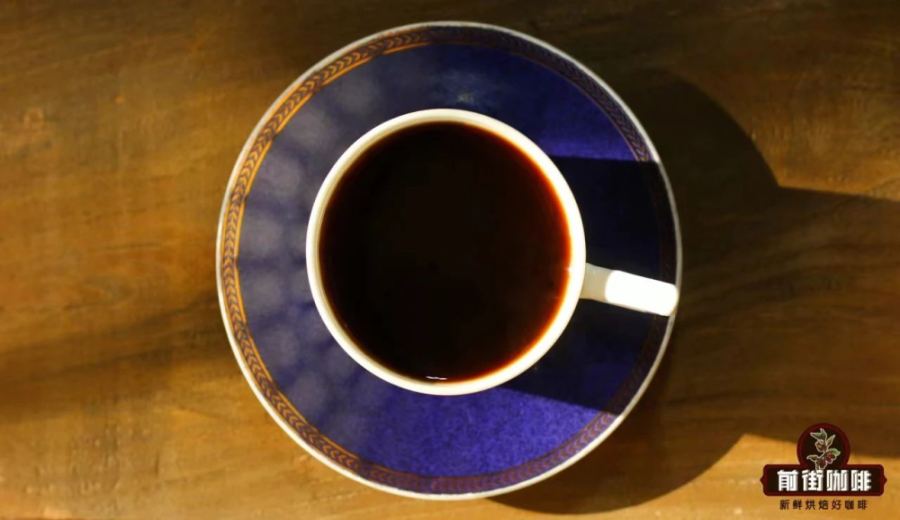
Introduction:Jamaican Blue Mountain No. 1 coffee is renowned for its classic flavor profile of balanced acidity, sweetness, and bitterness, making it a highly sought-after specialty coffee among enthusiasts worldwide. This article delves into this top-tier Typica bean certified by CIB, exploring everything from the terroir of the growing region, its rigorous grading system, to the traditional barrel shipping method, to help you understand what makes it so precious. It also provides professional pour over recommendations and a three-stage pouring parameter guide to help you fully experience the flavor layers of Blue Mountain coffee—dark chocolate, toffee, and roasted nuts.
Blue Mountain coffee has always been celebrated for its balanced tone and delicate layers, and Jamaican Blue Mountain No. 1 is the epitome of excellence within this category. This coffee often presents aromas of dark chocolate, roasted nuts, and toffee, with a smooth and rich mouthfeel, a pronounced caramel sweetness, and a gentle acidity that is never thin. The bitterness and sweetness complement each other, achieving an almost perfect balance. As the temperature drops, the flavors become even clearer with distinct layers, and the aftertaste leaves a mellow caramel sensation.
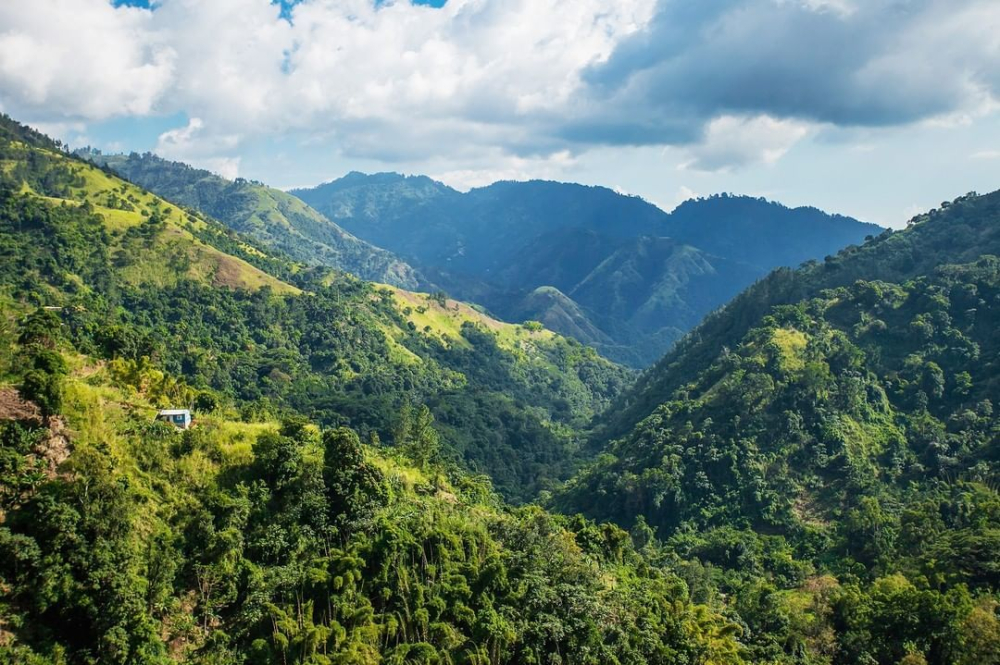
As one of the world’s top-tier coffees, the outstanding performance of Blue Mountain No. 1 stems from Jamaica’s unique terroir and stringent quality control. The Blue Mountains are located in eastern Jamaica, within the coffee belt around 25° north latitude. The high altitude and frequent cloud cover create a cool and moist microclimate, while the volcanic soil rich in minerals provides an ideal growing environment for coffee trees. Local farmers often intercrop coffee trees with taller species such as bananas and avocados, which provide shade and also help maintain ecological balance.
Jamaica’s coffee cultivation history dates back to the early 18th century, with records indicating that Governor Sir Nicholas Lawes introduced seeds from Martinique in 1728. The initial planting areas were not in the Blue Mountains but gradually expanded to the high-altitude regions of the Blue Mountains later on. In the early 19th century, the abolition of slavery led many farmers to switch to other cash crops, causing a significant decline in coffee production and a temporary downturn in the industry.
To revive the coffee industry, the Jamaican government implemented quality improvement policies starting in 1891 and established the Central Coffee Clearing House in 1944, responsible for quality assessment and grading of exported coffee. In 1950, the Jamaica Coffee Industry Board (CIB) was officially formed—an official body dedicated to managing, monitoring, and maintaining the quality and reputation of Jamaican coffee, ensuring a high standard for exported products.
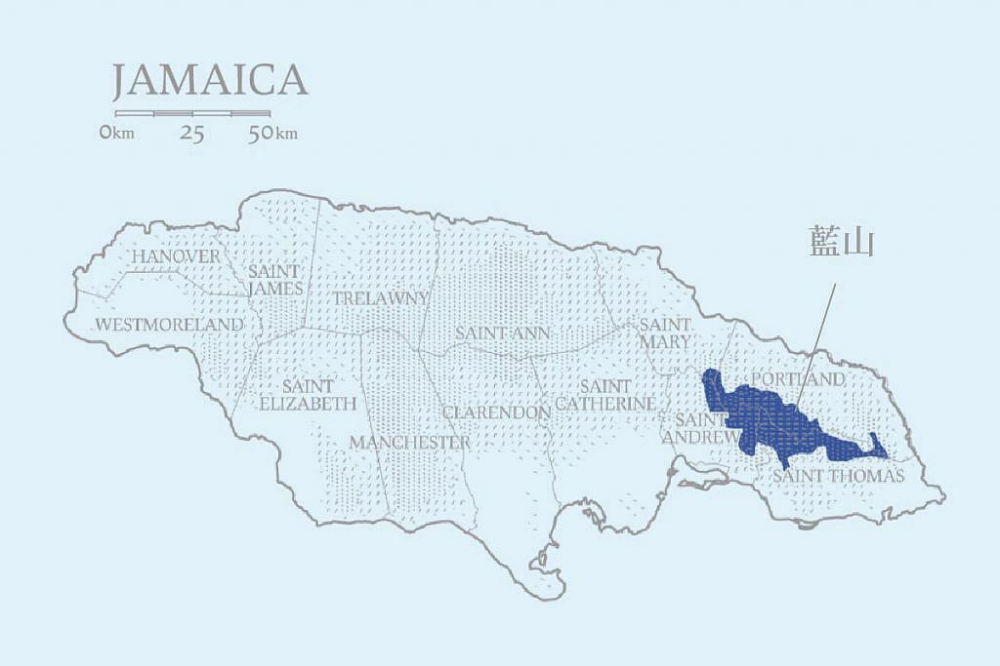
According to Jamaica’s Coffee Industry Regulation Act, only Typica variety coffee grown at elevations between 910 and 1700 meters in the four parishes of Saint Andrew, Saint Thomas, Portland, and Saint Mary qualifies as “Jamaican Blue Mountain coffee.” These strict geographic and varietal restrictions establish the rarity and value of Blue Mountain coffee. Based on quality and bean size, Blue Mountain coffee is divided into four grades: NO.1, NO.2, NO.3, and PB (peaberry), with NO.1 being the highest grade. It must have a defect rate below 3%, bean size of 17 mesh or larger, and a uniform appearance with consistent color.
The supplied Jamaican Blue Mountain No. 1 is a premium-grade product that not only holds strict CIB certification but also meets high-quality green bean specifications: moisture content is controlled between 10% and 12.5%, the beans are plump and well-formed, and the flavor profile combines rich chocolate and roasted nut aromas with a balanced taste of acidity, sweetness, bitterness, saltiness, and body, featuring a pronounced sweetness and long-lasting aftertaste. Notably, Blue Mountain coffee is traditionally exported in wooden barrels rather than the usual jute sacks. These handcrafted wooden barrels help regulate humidity, prevent aroma loss, and maintain stable moisture content in the beans, serving as one of the symbols of Blue Mountain coffee’s authenticity. Additionally, every batch of Blue Mountain No. 1 comes with CIB certification, origin documentation, and authorized sales paperwork to ensure reliable sourcing.
To fully experience the layered flavors of Blue Mountain No. 1, pour over is the brewing method that best highlights its characteristics. It is recommended to use freshly roasted beans, with the optimal tasting period usually between 2 to 4 weeks post-roast. Beans that are too fresh may impact extraction stability due to incomplete degassing. It is suggested to let the beans rest for a short period after receiving them until they reach a stable state before proceeding with pour over.
In terms of roast level, a medium-to-dark roast is chosen to bring out the distinctive roasted aroma of Blue Mountain coffee while retaining moderate acidity, making the overall flavor more three-dimensional. Cupping results show that this bean achieves a perfect balance of acidity, sweetness, aroma, bitterness, and body, hence the pour over strategy is designed based on this foundation.
It is recommended to use a KONO filter cone with a 20-number standard filter screen and a grind size between medium-fine and medium-coarse, with a coffee-to-water ratio set at 1:15 and water temperature controlled at around 88°C. Baristas suggest using a three-stage pouring method: the first stage involves pouring 30 grams of water for blooming for about 30 seconds to evenly wet the coffee grounds; the second stage involves pouring 95 grams of water in a slow, even circular motion from the inside out, and when the water level drops to two-thirds of the coffee bed, proceed to the third stage by slowly pouring 100 grams of water. Maintain a fine stream throughout, with a total extraction time of about 2 minutes. Finally, gently swirl the coffee liquid before enjoying this cup of Jamaican Blue Mountain No. 1, with its delicate flavors and rich layers.
The above content is compiled by CoffeeHunters, a coffee news website.


