







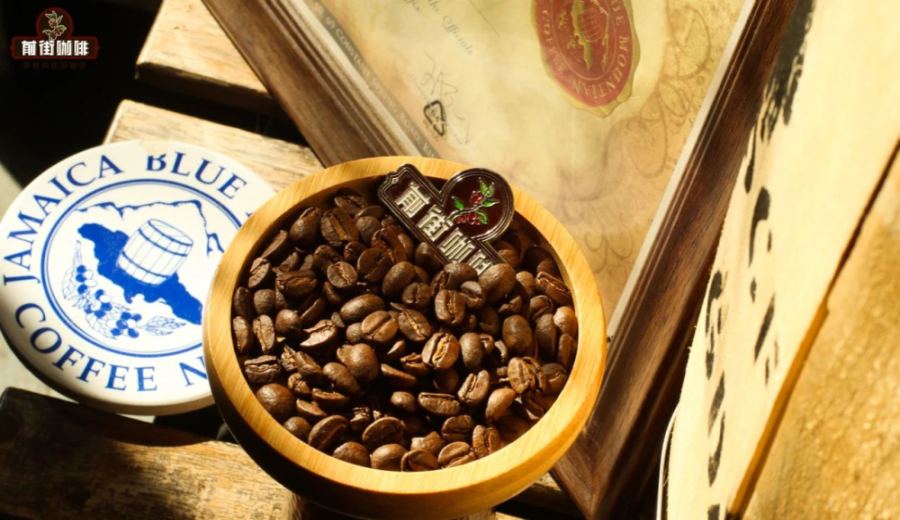
Introduction:Jamaica Blue Mountain coffee is world-renowned for its unique balanced flavor and rare production volume, making it a dream delicacy for coffee lovers globally. This article delves into the growing environment, cultivation methods, rigorous post-harvest processing, and the secrets behind its classic rich yet clean taste of Blue Mountain coffee. It takes you on a comprehensive journey from the producing region to your cup to fully understand this top-tier coffee bean, and provides practical flavor tasting guidance. It’s an essential read for anyone wanting to deeply explore Blue Mountain or seeking premium coffee recommendations.
Jamaica Blue Mountain coffee is hailed as the pinnacle of the coffee world, celebrated for its perfect balance of acidity, sweetness, bitterness, and body, its delicate and smooth mouthfeel, and its unique layers of aroma. For a long time, it has remained at the pinnacle of global specialty coffees. This rare coffee from the Caribbean island nation of Jamaica is not only a classic favorite among many coffee connoisseurs but also a top choice on many specialty coffee recommendation lists. This article will start with the background of the Blue Mountain producing region, detailing its geographical conditions, growing environment, and unique processing techniques, step by step uncovering why this coffee is so captivating.
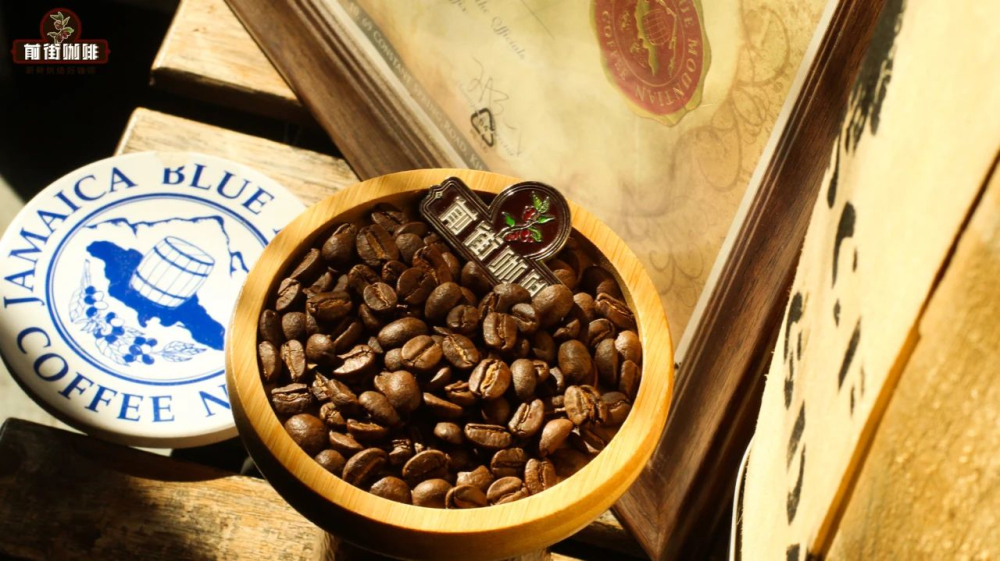
The name Blue Mountain coffee originates from its place of origin — the Blue Mountains in eastern Jamaica. This mountain range is the highest peak in the Caribbean, reaching an elevation of 2,256 meters and surrounded by the vast Caribbean Sea. On clear days, sunlight shines on the deep blue sea, reflecting between the mountain ridges, as if the entire mountain range is enveloped in a blue glow — hence the name “Blue Mountain.” Such a unique natural environment not only nurtures magnificent landscapes but also provides ideal conditions for coffee cultivation.
The coffee-growing areas of the Blue Mountain region feature fertile volcanic soil, combined with high humidity and abundant rainfall year-round, with an average annual precipitation of about 1,980 mm and average temperatures around 27°C. Foggy weather is also common. These conditions together create a microclimate that is most suitable for the growth of Arabica coffee trees. In addition, the area commonly adopts a terraced mixed-cropping model, often interplanting coffee trees with tall fruit trees such as bananas and avocados. This not only provides shade but also naturally regulates the microclimate and conserves soil and water. It’s worth mentioning that most Blue Mountain coffee is grown on small family-run farms, some of which have even maintained family farming traditions for two hundred years. Though small in scale, they preserve the most traditional and meticulous farming methods.
Among the many farms in the Blue Mountain region, the Clifton Estate is a highly representative example. This farm is located on the subsidiary peak “Clifton Mount” of the Blue Mountains and has been growing coffee since the 18th century. Covering an area of only about 20 hectares, it is considered a small-scale producer. The coffee cultivation and harvesting here rely entirely on manual labor, especially on the steep slopes where the work depends on skilled local female pickers. They are able to accurately judge the ripeness of each coffee cherry and select only the most optimally mature fruits for harvest, ensuring that the quality of the coffee beans demonstrates a high standard right from the source.
The post-harvest processing of Blue Mountain coffee is equally meticulous and complex, with each step after picking influencing the final flavor. The picked coffee cherries must be depulped on the same day, followed by a fermentation process lasting 12 to 18 hours, which effectively removes the mucilage layer and initiates the initial development of flavor. The fermented beans then undergo multiple rounds of washing and manual sorting to remove impurities and unripe beans, before moving on to the crucial drying stage. Traditionally, the coffee beans are spread out to dry on cement surfaces or thick mats, requiring constant turning and strict humidity control until the moisture content is reduced to the ideal range of 12% to 14%. The dried green beans are finally stored in well-ventilated warehouses, awaiting the appropriate time for roasting.
This rigorous cultivation and processing procedure results in the distinctive flavor characteristics of Blue Mountain coffee: a rich and full-bodied mouthfeel without sharp bitterness, a gentle and delicate acidity, and an elegant aroma with a pronounced lingering sweetness. Many coffee enthusiasts describe it as a “clean and balanced” coffee, not emphasizing intense fruity acidity or heavy smokiness, but rather winning favor with its stable and refined profile. It is precisely because of its intricate production process and extremely low yield that Blue Mountain coffee commands consistently high prices, but this also makes it a treasured choice for many coffee collectors and connoisseurs.
For those accustomed to modern flavor-oriented profiles, who seek prominent fruit acidity or unique processing methods, Blue Mountain may seem relatively “traditional.” However, the balance, cleanliness, and refinement it offers make it a classic entry-level recommendation often endorsed by professionals for beginner coffee drinkers. Especially when brewing pour over coffee, Blue Mountain can fully showcase the influence of water temperature, grind size, and brewing technique on flavor, making it an excellent learning tool for understanding the coffee flavor wheel and extraction parameters.
In summary, Jamaica Blue Mountain coffee is not just a beverage, but also a symbol of culture and craftsmanship. From the geographical conditions of the producing region, the dedication to cultivation methods, to the rigor of the post-harvest process — every step reflects an ultimate pursuit of quality. If you’re looking for a specialty coffee that represents the essence of coffee and possesses a classic flavor profile, Blue Mountain coffee is undoubtedly a choice worthy of in-depth exploration and enjoyment.
The above content is compiled by CoffeeHunters, a coffee news website.


