








Introduction:An in-depth analysis of the unique flavor profile, traditional processing methods, and suitable roasting styles of Ethiopian Sidamo coffee beans, covering dry aroma, wet aroma, and taste details, while also exploring the flavor differences compared to other origins. This article also provides practical pour over and SOE application recommendations to help coffee enthusiasts explore the charm of Sidamo.
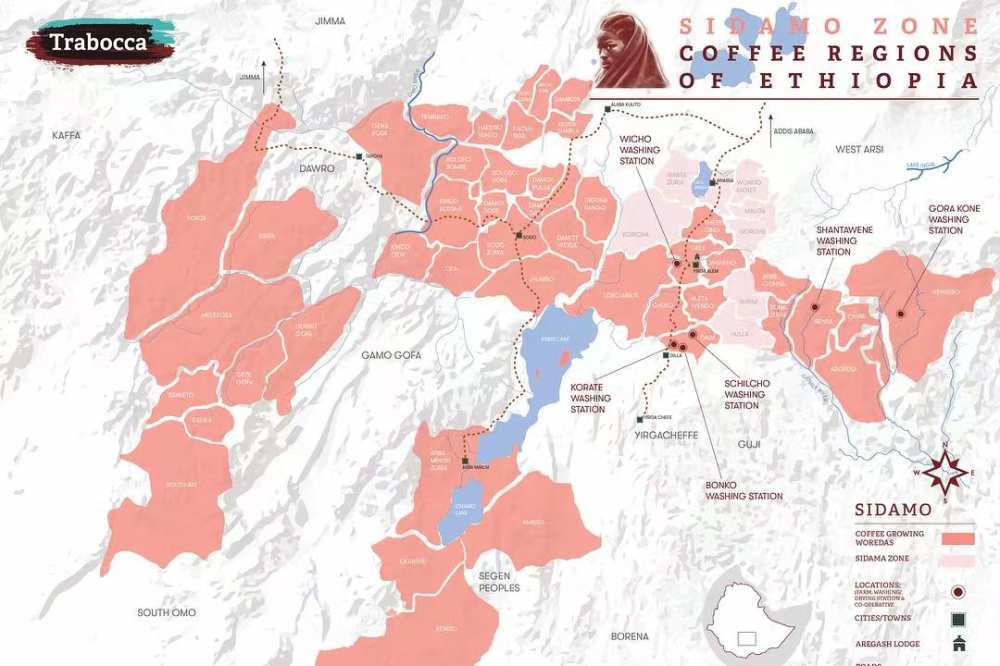
Sidamo is one of Ethiopia’s renowned specialty coffee regions in the south, famous for its complex and varied floral and fruity aromas and bright acidity, making it a popular first choice for many coffee lovers exploring African beans. This article will detail the dry and wet aroma characteristics of Sidamo coffee beans, typical flavor profiles, details of the traditional natural processing method, as well as the unique attributes of the bean varieties in this region, helping readers fully understand the reasons behind its flavors.
In terms of flavor, Sidamo coffee often exudes rich berry and tropical fruit aromas, with notes of date, tea-like qualities, and a gentle milk chocolate tone detectable in the dry aroma stage. Once water is poured, the wet aroma further reveals moderately sweet and sour berry notes, complemented by citrus freshness and slight fermented fruit aromas, delivering a slightly intoxicating sensation akin to fruit wine. The integration of these elements gives Sidamo a highly distinctive and layered profile.
Upon tasting, its fruit acidity is vibrant and pleasant, with a clear and pronounced sweetness, though the overall body is relatively light, not as heavy or dense as some Asian or South American beans. To experience the most representative flavor expression of Sidamo, consider choosing beans processed with the traditional natural method, such as the well-known regional Hambela Flower Queen coffee beans. This bean variety not only boasts prominent pink rose floral notes and a tropical fruit atmosphere, but also features delicate fermentation layers and a long aftertaste, fully showcasing the soul of the Sidamo region.
The natural processing method of Sidamo is key to its flavor profile. To ensure that the coffee cherries do not mold or pick up off-flavors during the approximately 21-day sun-drying process, farmers typically place the cherries on raised drying beds and continuously expose them to sunlight. The characteristic of this traditional technique is that fully ripe coffee cherries are directly exposed to the sun, allowing the natural sugars in the pulp and mucilage to slowly penetrate into the seed (i.e., the future green bean), thereby enhancing the final coffee’s sweetness and body. Coffee processed this way often carries an enticing flavor fusion of berries and cream, which is highly favored in the market.
When comparing Sidamo to other regions, distinct flavor direction differences can be observed. Asian-origin coffees such as those from Indonesia or Vietnam often present a heavy herbal and nutty tone, suitable for medium to dark roasting to bring out their depth; American beans such as Brazil or Colombia are based on chocolate and nut tones, with balanced flavors, also well-suited to medium to dark roasting; in contrast, African beans, especially Sidamo, are known for their clear and bright floral and fruity aromas and light body, hence it is recommended to use light to medium roasting to preserve their native flavor characteristics.
Due to its flavor traits, Sidamo coffee is widely suitable for various brewing methods, including pour over, French press, siphon, cold brew, drip bags, and American drip coffee machines. Whether you’re pursuing a refined pour over or a convenient brew, its unique fruity notes and balanced sweet-sour profile can shine through. Additionally, Sidamo beans are also very suitable for use as SOE (single origin espresso), especially medium-roasted beans such as the regional Hambela Flower Queen SOE, which offers versatility for both espresso and pour over applications.
When used for espresso extraction, medium-roasted Sidamo SOE can produce a soft and mellow shot, presenting a harmonious taste of berries, yellow peach, cream, and nuts; when brewed as an Americano, it has low bitterness and a refreshing, smooth mouthfeel; as a latte base, it delivers a silky, sweet-drinking experience, making it highly suitable for everyday enjoyment or as a standout option on a café menu.
In summary, Ethiopian Sidamo coffee beans, with their unique flavor expression, traditional natural processing method, and flexibility across multiple brewing styles, are an essential specialty bean choice for coffee enthusiasts. Whether you prefer the nuanced layers of pour over or the bold flavors of espresso, you can find your own coffee joy in Sidamo.
The above content is compiled by CoffeeHunters, a coffee news website.


