







Introduction:Kenyan AA washed coffee beans are renowned for their distinctive berry acidity and clean flavor profile, making them a flagship choice among many coffee enthusiasts. This article delves into the cultivation background, regional distribution, and grading standards of Kenyan coffee, explores the secrets behind its bright acidity—such as the soil, varieties, and the K72 washed process—and provides practical pour-over and SOE espresso brewing parameters to help you recreate an authentic Kenyan flavor at home.
Kenyan coffee has long captivated the global coffee market with its rich berry acidity and clean, bright taste, especially among specialty coffee lovers. This article will give you a comprehensive understanding of Kenyan AA washed coffee beans—from the growing environment and grading system to the origin of its unique acidity. Using the Kenya Assalya coffee beans as an example, we’ll analyze detailed pour-over and SOE espresso extraction parameters, enabling you to easily replicate a layered and nuanced Kenyan-style coffee at home.
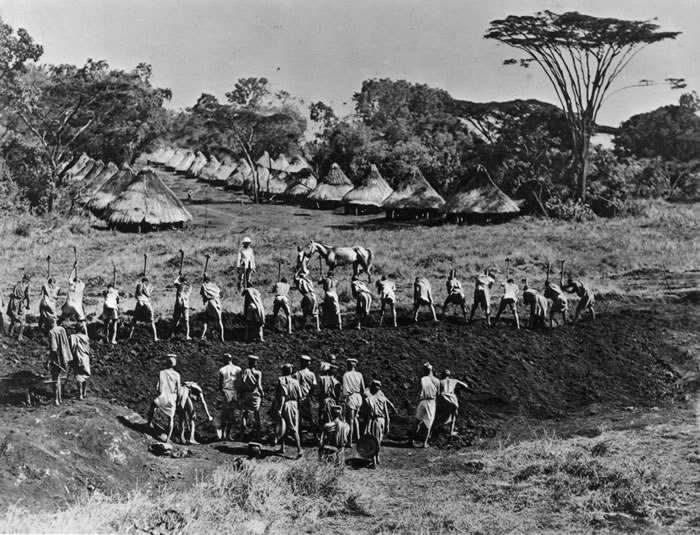
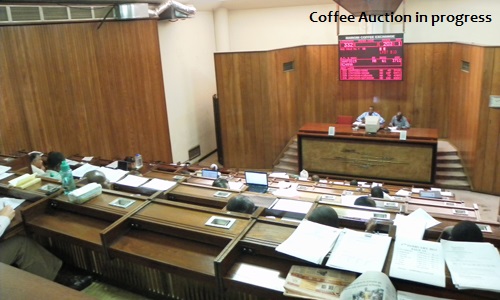
Although Kenya’s coffee-growing history is not as long as Ethiopia’s, it has developed rapidly with distinct characteristics. It is widely believed that coffee was first introduced to Kenya in the late 19th century by French missionaries from Réunion Island (also known as Bourbon Island), though some say it originated from Ethiopia. After Kenya became a British colony in 1895, the coffee industry gradually came under systematic management. The Kenya Coffee Board was established in 1933, and the auction system still in use today was launched in 1934. It wasn’t until the 1960s that local farmers truly gained the right to independently process their coffee. In the 1980s, Kenyan coffee production once peaked at 130,000 metric tons, but in recent years output has declined to around 40,000 metric tons. Despite this, the government is actively promoting revitalization plans to maintain regional quality and reputation.
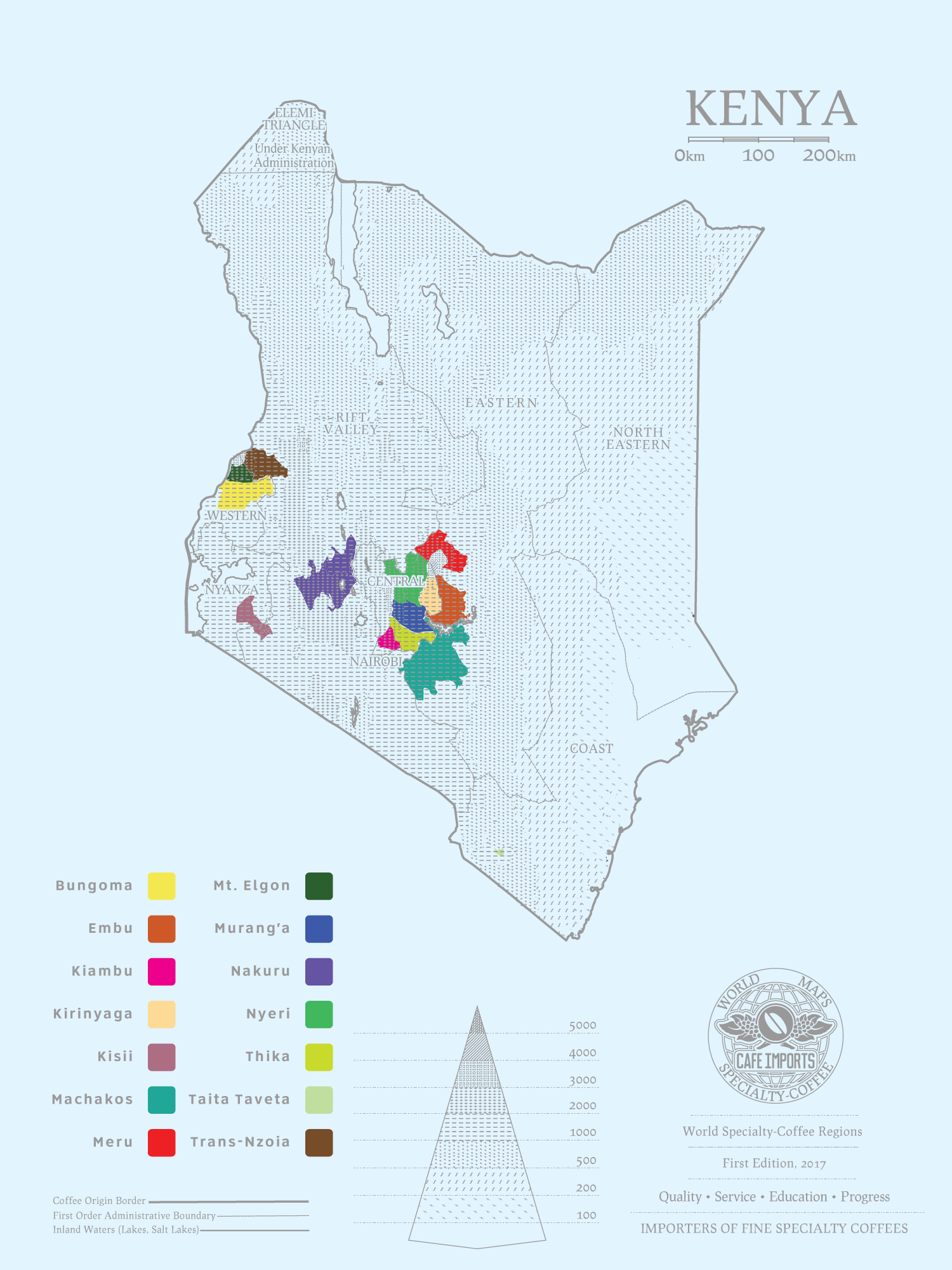
Kenya has more than 14 coffee-growing regions, with those in the central part being the most highly regarded. Coffee from Kiambu and Muranga features clear acidity and good body; Nyeri is known for its blackberry notes, rich mouthfeel, and a blend of citrus and floral aromas; Kirinyaga showcases bright fruit acidity, delicate sweetness, and excellent balance; Embu offers well-balanced acidity, a harmonious flavor, and a long aftertaste; Machakos presents crisp and refined fruit acidity with a refreshing finish; while Kisii and Elgon are characterized by their soft and mellow sweetness.
When purchasing Kenyan coffee, the common ‘AA’ grade is often the top choice for many consumers, but do you understand the grading logic behind it? Kenyan coffee is divided into eight grades based on bean size: E, PB, AA, AB, C, TT, T, MH/ML. Among them, E refers to elephant beans, which are large in size but rare in production; PB stands for peaberry, a special form where only one seed develops inside the coffee cherry; AA is the most common high-quality grade, with bean size of 17/18 mesh; AB is 16/17 mesh; C is below 14 mesh; TT consists of larger-sized beans but with insufficient density; T includes small and low-quality beans; and MH/ML are low-grade overripe natural beans. It’s worth noting that these gradings are all done at the green bean stage and cannot be re-sorted by grade after roasting.
Why is Kenyan coffee so bright and layered in acidity? The answer lies in the unique combination of its growing environment, variety, and processing method. First, Kenyan coffee is grown in red volcanic soil rich in phosphates, providing abundant nutrients for the crops. Second, the main varieties planted locally are SL28 and SL34, both Bourbon variants, which naturally possess prominent berry acidity and complex flavor structures. Most crucially, Kenya employs a washed processing method called K72, which involves long multi-stage fermentation and multiple washes, resulting in clean and bright acidity while preserving full fruit aroma and rich mouthfeel.
Specifically, the K72 process begins with the removal of the coffee cherry skin. The pulp-covered parchment beans undergo 24 hours of dry fermentation, during which water is added and drained every 6 to 8 hours to promote even fermentation. Then comes the second stage, where the fermentation tank is partially filled with water for 12 to 24 hours. Afterward, the beans are manually transferred to a washing channel and stirred to remove excess pulp. A second fermentation follows, this time with a fuller tank of water, and the beans soak in clean water for another 12 to 24 hours to ensure complete breakdown of residual sugars and pulp. Finally, the parchment beans are moved to drying beds for sun drying, creating the signature fresh and layered flavor profile of Kenyan coffee.
Take the Kenya Assalya coffee beans as an example—they are grown in the Thika region at an altitude of 1550 to 1750 meters, with varieties SL28 and SL34, and processed using the K72 washed method. Recommended pour-over parameters are as follows: Use a Hario V60 filter, control water temperature between 90°C and 93°C, use about 15 grams of coffee, with a 1:15 coffee-to-water ratio, and grind size approximately EK43s #10 (80% passing rate through a Chinese standard 20-mesh sieve). Brewing can follow a three-stage pouring method: the first pour is 30 grams of water for a 30-second bloom, the second pour is a circular pour up to 125 grams, then after the water level drops, continue pouring to 225 grams. Total brew time is about 2 minutes. These parameters help fully express its berry, citrus, and delicate sweetness characteristics.
In recent years, SOE (Single Origin Espresso) has become a new favorite for many coffee enthusiasts making specialty coffee at home. Fruit-forward beans like Kenya Assalya are also ideal for making SOE Americanos or lattes. To brew a standout SOE espresso, focus on three key points: choosing high-quality green beans, controlling the appropriate roast level to preserve regional character and balance, and ensuring stable extraction conditions. It’s generally recommended to use a double-shot basket, with 18 to 20 grams of coffee, at a 1:2 extraction ratio (i.e., 20 grams of coffee yielding 40 grams of espresso), and extraction time controlled between 28 to 30 seconds. Too long can lead to over-extraction and burnt bitterness, while too short may result in weak flavor.
Using a commercial coffee machine such as the Lelit Bianca as an example, pressure can be adjusted to 11 bar, while home machines should ensure at least 9 bar pressure. The coffee puck needs to be evenly tamped, and pre-infusion should be performed to clean the group head. When the espresso reaches 40 grams and about 30 seconds have passed, stop the extraction and pour into a cup to enjoy. This Kenya SOE espresso typically shows a light yellow crema and emits enticing aromas of berries, tomatoes, and cookies. For a crisper taste, mix with ice water or warm water at a 1:4 ratio to make a Kenya SOE Americano; for a creamier option, add fresh milk at a 1:6 ratio to create a smooth and mellow Kenya SOE latte.
The above content is compiled by CoffeeHunters, a coffee news website.


