







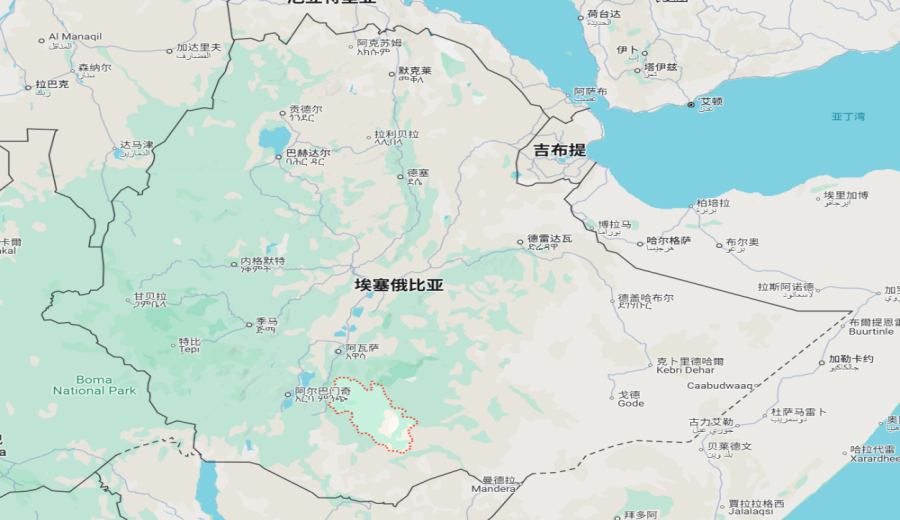
Introduction:Ethiopia is the cradle of specialty coffee, boasting numerous renowned coffee-growing regions, each with unique terroirs and flavor profiles. This article delves into five major regions, including Yirgacheffe, Sidamo, Guji, and Hambella, exploring their geographical environments, growing conditions, and coffee flavor characteristics. It helps readers understand the distinctiveness of these regions and provides guidance on selection and tasting, making it an essential read for pour over coffee enthusiasts and flavor explorers.
Ethiopia is hailed as the birthplace of specialty coffee, home to many representative coffee-producing regions such as Harar, Jimma, and Sidamo. Among them, Yirgacheffe, located in the northwest of Sidamo Province, is world-renowned for its bright floral and fruity aromas and citrus notes, and is globally recognized as one of the most iconic washed coffees. The region sits at an altitude of about 2,000 meters, where fertile soil and a favorable microclimate contribute to its richly layered and highly distinctive flavors. In addition to Yirgacheffe, Sidamo also includes other premium growing areas such as Guji and West Arsi. Guji became an independent region in 2010, while Hambella lies at the border between Guji and Sidamo and is a significant source of naturally processed coffee.
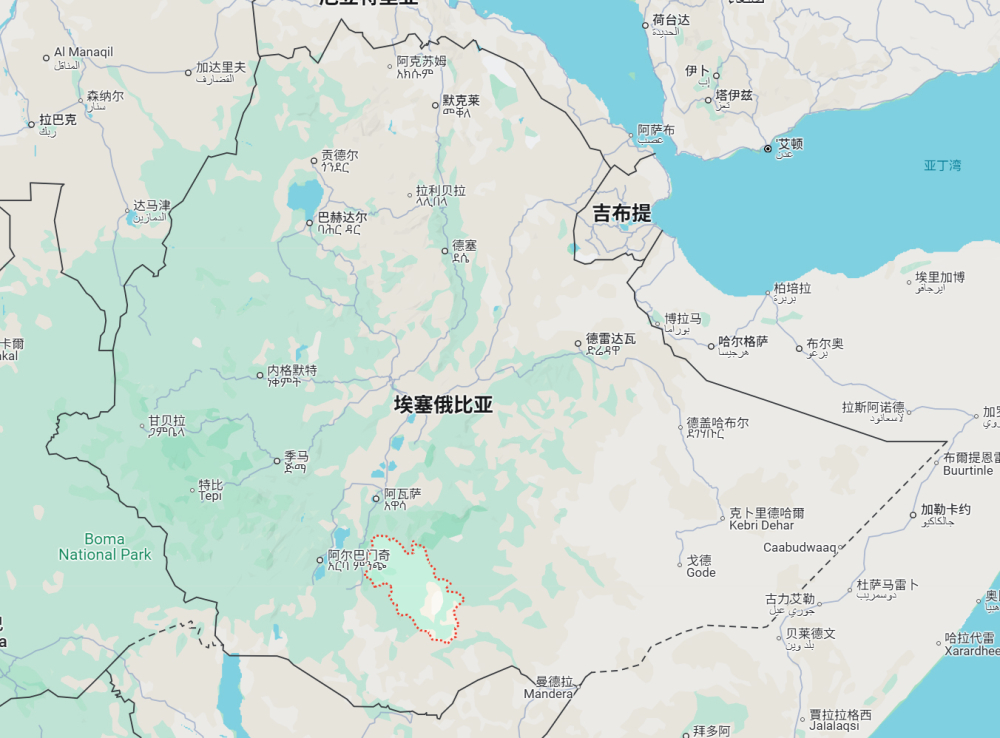
Ethiopia’s coffee-growing areas can generally be divided into three major zones: eastern Harar (Harar), southwestern Djimmah (Jimma), and southern Sidamo (Sidamo). Yirgacheffe, a town within Sidamo Province, is famed for producing highly representative washed coffee. This type of coffee is distinguished by its unique aroma profile and bright acidity, securing a notable place in the global specialty coffee market. Yirgacheffe coffee beans are typically suited for light to medium roasts, showcasing vibrant citrus and lemon notes along with delicate floral aromas such as jasmine and white florals, resulting in a clean yet complex flavor.
The flavor profile of Yirgacheffe coffee is exceptionally vivid: upon tasting, one immediately detects pronounced citrus and lemon acidity, reminiscent of a refreshing fruit tea, paired with subtle jasmine floral notes. Its acidity is clear but not sharp, with a clean mouthfeel and a long, smooth aftertaste. Medium roasts yield softer acidity and a more balanced flavor, while dark roasts can bring out rich caramel and nutty tones. This coffee is considered a model of African washed coffee—not only ideal for pour over brewing but also highly praised by professional cuppers, making it the top choice for exploring Ethiopian coffee.
Located in southern Ethiopia, Sidamo has been officially designated as an independent region since 2009, boasting a deep local culture and unique growing environment. The coffee trees here are primarily distributed along both sides of the East African Rift Valley, grown at high altitudes with annual rainfall reaching up to 2,000 mm, providing ample moisture for coffee growth. Due to the high elevation, the maturation period of coffee cherries is longer, aiding in the accumulation and development of flavors, which gives Sidamo coffee generally complex aromas and full-bodied mouthfeels.
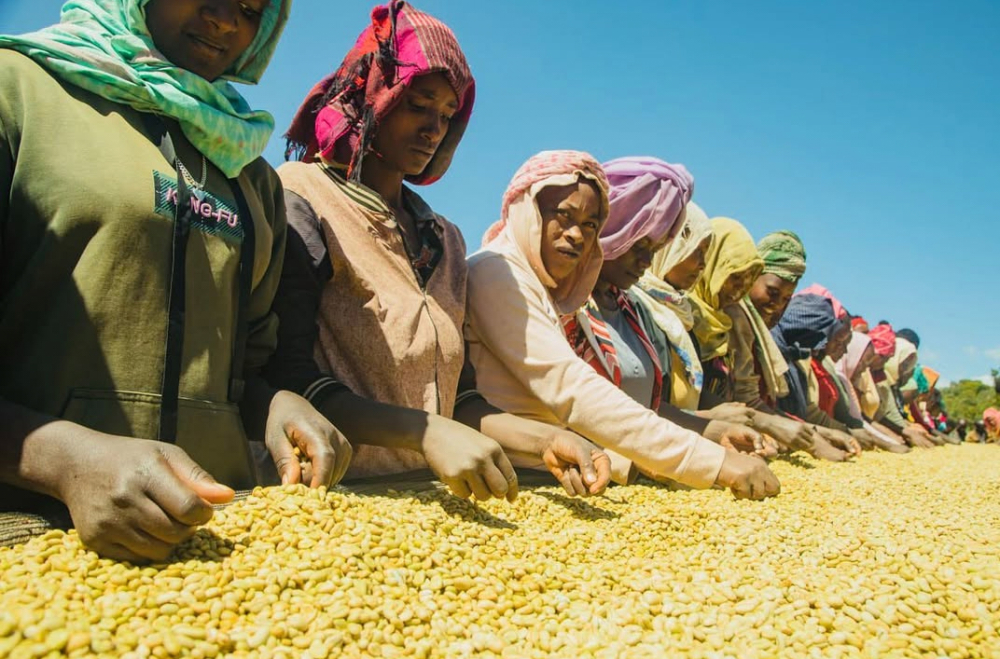
Guji (GUji) was originally part of Sidamo, but due to its distinctive and high-quality coffee flavors, it was designated as an independent region by the Ethiopian Commodity Exchange (ECX) in 2010. Guji is located near Yirgacheffe, featuring diverse terrain and deep layers of black soil—some areas even have soil depths of up to two meters—providing excellent conditions for the growth of coffee roots. The region has an average altitude exceeding 1,800 meters, coupled with significant diurnal temperature variations, which help coffee beans mature slowly and accumulate more flavor compounds. Guji coffee farms often adopt natural farming methods, relying on fallen leaves and organic matter for nutrients, resulting in coffee that often features natural sweetness and rich complexity.
Hambella is a sub-region within Guji, also situated at the border with Sidamo, and is one of Ethiopia’s highest-altitude coffee-growing areas, with some mountainous regions exceeding 3,200 meters in elevation. The climate here is cold, and the growing environment is harsh, but it is precisely these conditions that make the coffee beans more flavorful and distinctive. Hambella is known for producing high-quality naturally processed coffee, among which the most representative is a Hambella Geisha. This coffee gained fame after winning the TOH (Ethiopia National Taste of Harvest competition) championship in 2017. The Hambella Geisha comes from the Buku Abel washing station in Guji and is part of a naturally processed batch, with flavors centered around tropical fruits, including layers of strawberry, mango, jackfruit, citrus, and blueberry.
Although named “Geisha,” its floral notes are not the most prominent feature; instead, it excels in intense fruit aromas, particularly ripe berries and tropical fruit tones, creating its unique flavor profile. This naturally processed coffee typically offers high sweetness and a full body, with soft yet vibrant acidity, making it ideal for coffee lovers who enjoy bold fruit flavors and rounded mouthfeels. For those looking to deeply explore Ethiopian naturally processed coffee, the Hambella region and this Hambella Geisha are classic examples not to be missed.
The above content is compiled by CoffeeHunters, a coffee news website.


