







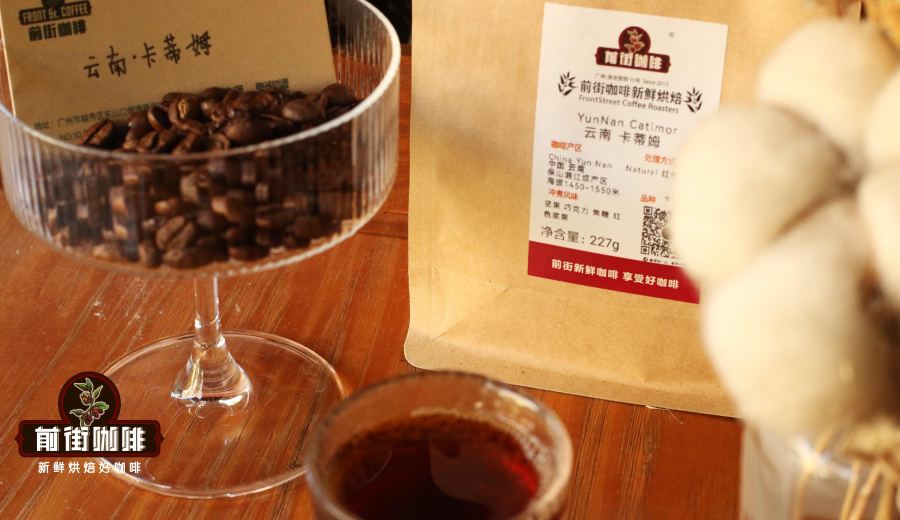
Introduction:Delve into the relatively rare yet distinctive Typica variety within Yunnan coffee. From the growing environment in the Lincang region, differences between washed and natural processing, to practical brewing recommendations and cupping flavor profiles, this guide helps coffee enthusiasts fully understand this high-potential specialty bean and master its optimal extraction methods.
In Yunnan’s coffee-friendly land, while Catimor has long dominated the market due to its high yield and disease resistance, the classic Arabica variety Typica continues to thrive steadily in select estates. Among them, a brand’s self-owned estate in the Lincang region has been dedicated to cultivating Typica for years, launching the highly anticipated "2013" natural Typica coffee. This article will detail the origin of this variety, regional characteristics, processing technology differences, compare the flavor profiles under washed and natural processing, and provide practical pour over parameter suggestions, offering a comprehensive appreciation of Yunnan Typica’s charm.
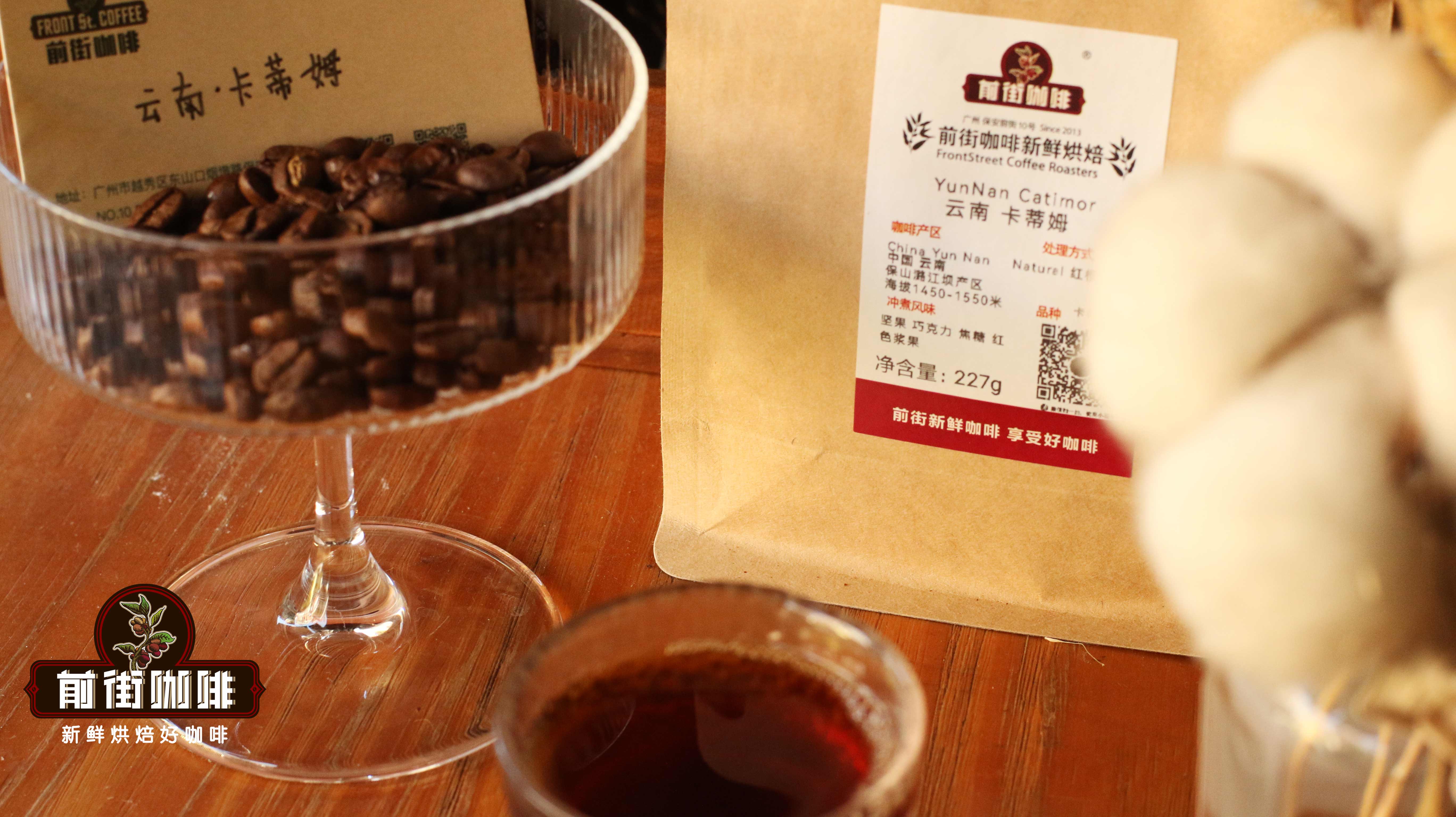
Currently, the majority of Yunnan coffee on the market is the Catimor variety, known for its high and stable yield. However, in places like Lincang, a few farms still choose to grow the traditional and flavorful Typica. For example, a brand has established its own planting base in Lincang to cultivate this classic variety and introduced the "2013" natural version. At the same time, the brand also maintains a product line of Catimor, such as washed Yunnan small beans and natural Catimor coffee, providing diverse options.
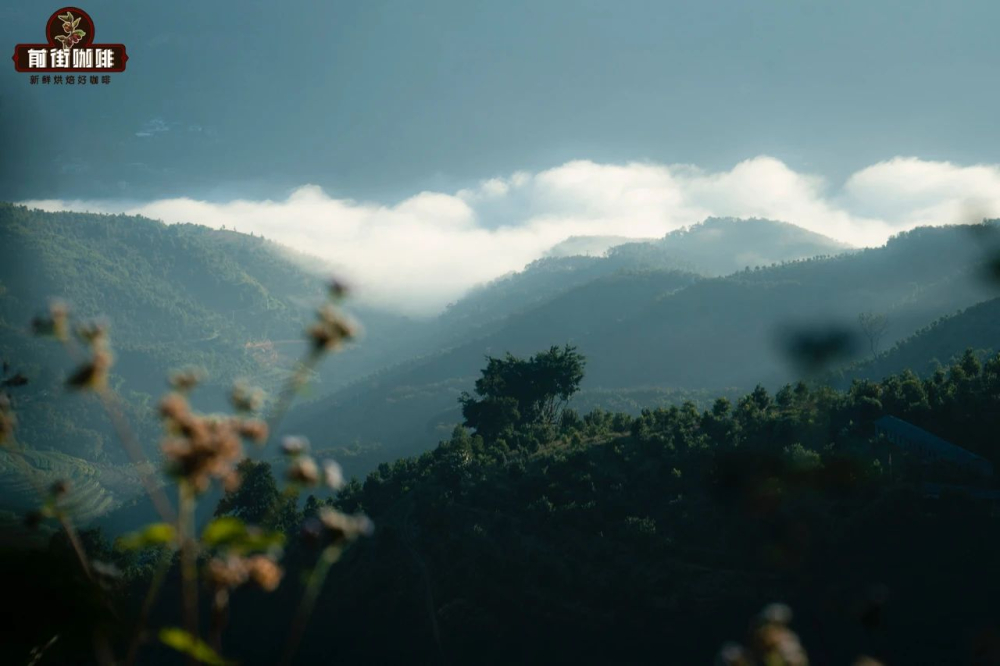
As China’s largest coffee-producing region, Yunnan boasts uniquely advantageous geography and climate. Located between 15 degrees north latitude and the Tropic of Cancer, with low latitude, high altitude, moderate sunlight, and abundant rainfall, it forms the recognized “golden coffee-growing belt.” The Yunnan coffee grown in this environment generally features a rich yet non-bitter taste, clear aroma with subtle fruity notes, making it particularly suitable for consumers who prefer balanced flavors. Locally produced coffee is often referred to as "Yunnan small beans," which are actually Arabica beans with smaller, plump, and uniform beans, offering a full-bodied and layered taste upon brewing.
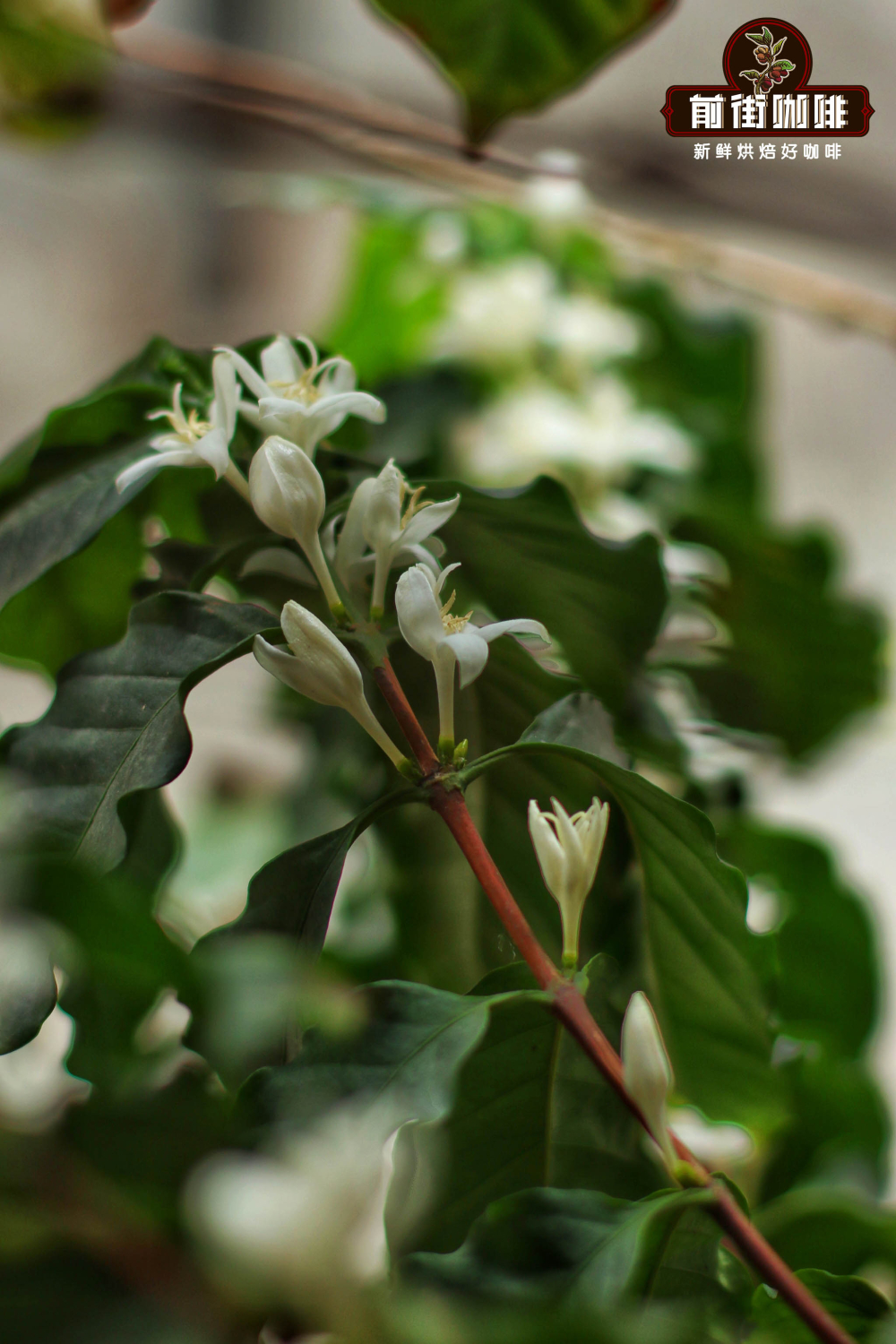
Small-bean coffee belongs to small trees or large shrubs, typically growing to 5–8 meters in height. Old branches are grayish-white, while young branches are smooth and hairless. The leaves are thin-leathery, ovate-lanceolate in shape, with smooth or shallowly wavy edges, and both the upper and lower surfaces are hairless. Inflorescences mostly cluster in leaf axils, with pure white and fragrant corollas. The berries turn red when ripe, are broadly elliptical in shape, about 1.2–1.6 cm in size, and contain seeds approximately 0.8–1.0 cm in length. The flowering period is concentrated from March to April each year, a crucial time for coffee farmers to closely monitor plant growth.
Looking back at history, coffee was introduced to Yunnan, China, in 1892 and has since taken root, developing for over a century. Initially enjoyed only by missionaries privately, it has now become an important economic crop with local characteristics. Through continuous variety improvement and cultivation technique enhancements, Yunnan coffee not only adapts well to the local environment but has also gradually gained international recognition in terms of flavor and quality. Compared to imported coffee beans that require long-distance transportation and lengthy customs clearance, domestically produced coffee has a clear freshness advantage from roasting to consumption, which is one of the key reasons for the rapid popularization of Yunnan coffee in the local market in recent years.
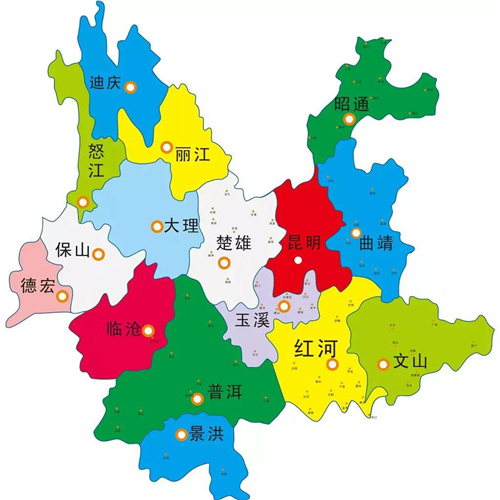
Major coffee-growing regions in Yunnan include Lincang, Baoshan, Simao, Xishuangbanna, and Dehong. Among them, Baoshan, with an average annual temperature of 21.5°C, extreme highs reaching 40.4°C, and almost no frost throughout the year, is considered one of the most suitable areas for growing small-bean coffee. The locally produced coffee is renowned for its rich and aromatic profile, distinct fruitiness, and uniform bean size, once earning praise from international experts for being comparable to Colombian wet-processed small-bean varieties. A brand’s Yunnan small-bean coffee beans originate from this region. Lincang, with its geographical and microclimatic advantages, has become an emerging coffee hotspot, with multiple nursery bases established locally and gradually expanding planting scale.
A brand has built its own estate in the Lincang region, focusing on selecting and cultivating the pure Arabica variety Typica. Although this variety takes at least 4–5 years to bear fruit for the first time and is less resistant to diseases, its flavor performance is significantly superior to the commonly planted Catimor, thus becoming a focal point for specialty coffee enthusiasts. The Typica coffee first harvested by the brand between 2020 and 2021 was named "2013" and presented using the natural processing method, receiving widespread market acclaim. It is worth noting that due to the higher cultivation and management thresholds of the Typica variety, many coffee farmers, despite recognizing its superior flavor, still opt for Catimor due to cost and risk considerations.
Currently, the coffee varieties planted in Yunnan are still dominated by Catimor, a hybrid descendant of Arabica and Robusta, inheriting about 25% of Robusta genes, thus possessing strong disease resistance and rich oils, while also retaining some of the original Typica flavor characteristics. In contrast, Typica, as one of the most classic Arabica varieties, although offering excellent flavor, has lower yield and is susceptible to leaf rust, requiring higher demands on cultivation environment and management techniques. Originally from Ethiopia and southeastern Sudan, the plant is robust but not tolerant to strong sunlight. Some regions, such as Hawaii, can produce it stably due to suitable climates. The top leaves of Typica display a unique reddish-copper color, hence it is also called "red-top coffee."
Yunnan coffee employs diverse processing methods, among which washed and natural are the two mainstreams. The washed process removes the pulp, ferments to eliminate the mucilage, then rinses with clean water and dries, resulting in bright acidity, refreshing taste, and layered complexity. The natural process retains the pulp and more mucilage for sun drying, usually delivering richer sweetness, fruity notes, and fermentation flavors. A brand’s three coffees — "2013 Natural Typica," "Washed Yunnan Small Beans," and "Natural Catimor" — respectively showcase the characteristic differences of these processing methods.
Taking the washed process as an example, coffee farmers first place the berries in a water tank, using buoyancy to screen out unripe beans, then remove the outer skin and pulp via a pulper, followed by soaking in a fermentation tank for 16–36 hours to break down the mucilage, and finally rinse thoroughly with plenty of water and dry. This process effectively controls fermentation levels, achieving a balance of bright acidity and rich body. Meanwhile, the natural process allows the coffee fruit to dry in the sun for an extended period, enabling the sugars and flavor compounds in the pulp to penetrate deeper into the bean, bringing out intense sweetness and complex fruity notes.
For a brand’s Yunnan small-bean coffee, it is recommended to use a V60 filter cone for pour over to fully highlight its bright acidity and aroma. Suggested parameters are as follows: filter cone — Hario V60, water temperature — 88°C, coffee dosage — 15g, coffee-to-water ratio — 1:15, grind size — medium-fine (approximately 75% passing through a Chinese standard No. 20 sieve). This combination balances extraction efficiency, accentuates the coffee’s fruity acidity and aromatic traits, while avoiding excessive extraction that could lead to bitterness.
[2013 Natural Typica Coffee Flavor] Full-bodied and rich in mouthfeel, with balanced acidity and sweetness, featuring citrus and berry notes, hints of fermented wine aroma, and a lingering finish of caramel sweetness and creamy texture, accompanied by subtle black tea notes.
[Washed Yunnan Small Bean Coffee Flavor] Herbaceous base, complemented by nutty and chocolatey aromas, with a gentle caramel aftertaste in the finale.
[Natural Yunnan Catimor Coffee Flavor] Presents a blend of nutty, chocolatey, spicy, and plum flavors, with noticeable caramel sweetness, overall rounded and full-bodied in character.
The above content is compiled by CoffeeHunters, a coffee news website.


