








Introduction:Americano is one of the most widely consumed black coffees in the world, but do you know how it originated in Italy during World War II and evolved into the common pick-me-up drink found in modern offices and homes? This article delves into the historical background and flavor characteristics of Americano, and provides the standard ratio of a double shot of espresso to water, the recommended brewing water temperature, as well as flavor profiles of three classic Italian blends, helping you master the essence of this classic black coffee—from beginner to advanced.
Americano can be considered the go-to choice for many to kickstart their day. This seemingly simple black coffee actually carries a rich historical and cultural background. Although it is often seen as "just espresso diluted with water," its global popularity and acceptance are certainly no accident. From the battlefields of Italy during World War II to coffee shops and offices around the world today, Americano has won widespread affection due to its refreshing, non-greasy, and energizing qualities.
The most widely circulated origin story of Americano is closely tied to World War II. At that time, American soldiers stationed in Italy found the strong and concentrated local Italian espresso hard to adapt to, often considering it too harsh, bitter, and intense in flavor. To adjust the concentration to a level they could tolerate, they began adding hot water to dilute the espresso, transforming a shot of espresso into a more refreshing beverage. This practice was initially looked down upon by Italians, who even mockingly referred to this "watered-down American specialty" as Americano, meaning "the coffee Americans drink."
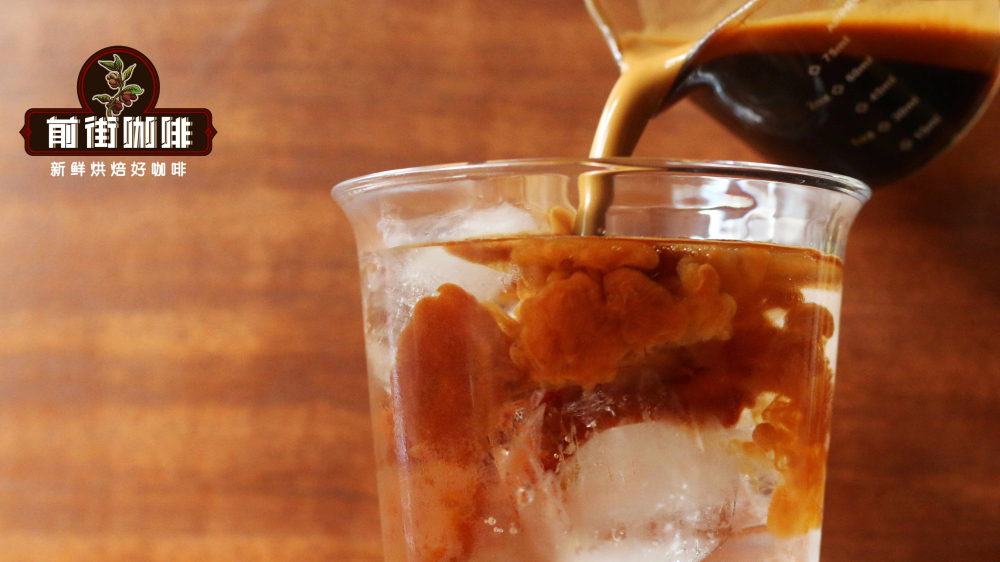
Over time, this drink gradually made its way out of the battlefield and back to the United States, where it gained popularity due to its suitability for everyday consumption. Compared to the European or Italian habit of using espresso for a quick energy boost, Americans prefer a slower coffee experience and enjoy pairing lower-concentration black coffee with various meals. From breakfast desserts and ham croissants to lunchtime casual meals, an Americano became the standard choice for many.
So, what exactly is a traditional Americano? Generally speaking, the basic method is to use a double shot of espresso (about 20 grams of coffee grounds yielding 40 ml of concentrated liquid), then dilute it with hot or cold water at a ratio of 1:4 to 1:8, depending on personal taste. For example, if using 40 ml of espresso, you can add 160 ml to 320 ml of hot water based on your preference to adjust the concentration to your desired strength. It is recommended to use water heated to about 80°C for brewing, as excessively high temperatures can release too many bitter substances, affecting the overall flavor profile.

There’s also an art to drinking Americano—it’s best enjoyed when the coffee has cooled to around 60°C, allowing you to fully appreciate its layers and flavors without burning your mouth. If the taste feels too bitter, some may choose to add a small amount of milk or sugar, but this can alter the original flavor characteristics of the black coffee and weaken its fat-burning and palate-cleansing potential. For those seeking a healthier experience or a purer coffee taste, it is recommended to enjoy it plain and savor the subtle differences brought by different roast levels and blends.
When it comes to choosing blends, Americano typically uses Italian-style blends known for their stable performance, ensuring consistent flavor across different brewing conditions. Commonly recommended blends include: a mix primarily of Colombian and Brazilian Arabica beans, offering distinct notes of nuts, cocoa, and berries, with a mellow caramel finish; another blend combines a small amount of Vietnamese Robusta to enhance body, delivering deeper layers of cocoa and caramel; there are also blends made with Brazilian and Yunnan beans, showcasing natural herbal, plum, and nut aromas—ideal for those who prefer a brighter acidity and unique flavor profiles.

In summary, Americano is not just a tool for staying alert, but also a symbol of the blending of global coffee cultures. Understanding its historical background, the correct extraction and dilution ratios, and the suitable blend flavors can help you better appreciate this classic black coffee. Whether you’re a beginner to black coffee or a home brewing enthusiast looking to refine your skills, mastering these basics will enrich your experience and enjoyment every time you sip an Americano.
The above content is compiled by CoffeeHunters, a coffee news website.


