







Introduction:Robusta is often regarded as synonymous with cheap coffee, but in fact, it can also showcase unique charm in specific growing regions. This article delves into the origins, variety characteristics, and major global production areas of Robusta, introducing you to the classic flavor profiles from places like Vietnam and Indonesia, while also offering professional pour-over brewing recommendations and freshness preservation tips. Learn how to savor this "non-mainstream" specialty coffee the right way.
In the world of specialty coffee, Arabica is widely praised for its delicate flavors and bright acidity, whereas Robusta is often categorized as a raw material for commercial beans or instant coffee. However, this view overlooks the unique potential that Robusta exhibits in certain regions. From Vietnam’s classic blends to Indonesia’s Sumatran Mandheling, Robusta genetics play a key role in many well-known coffees. This article will take you on a comprehensive journey through Robusta—from its variety origins, plant characteristics, flavor profiles, to its major producing regions—and share practical pour-over parameters and freshness management advice, so you too can brew a rich and layered cup of Robusta coffee.
Many coffee enthusiasts generally believe that Arabica offers superior flavor performance compared to Robusta, which is why the specialty coffee market is almost entirely dominated by Arabica, while Robusta is mostly found in espresso blends or instant coffee. But why do many regions still insist on growing Robusta? The key lies in its environmental adaptability and economic benefits. Arabica has stringent growth requirements, needing high altitudes and shaded conditions, along with weaker disease resistance and lower yields. In contrast, Robusta can thrive in low-altitude tropical areas, boasts strong disease resistance and high yields—traits that give it irreplaceable value in certain markets.
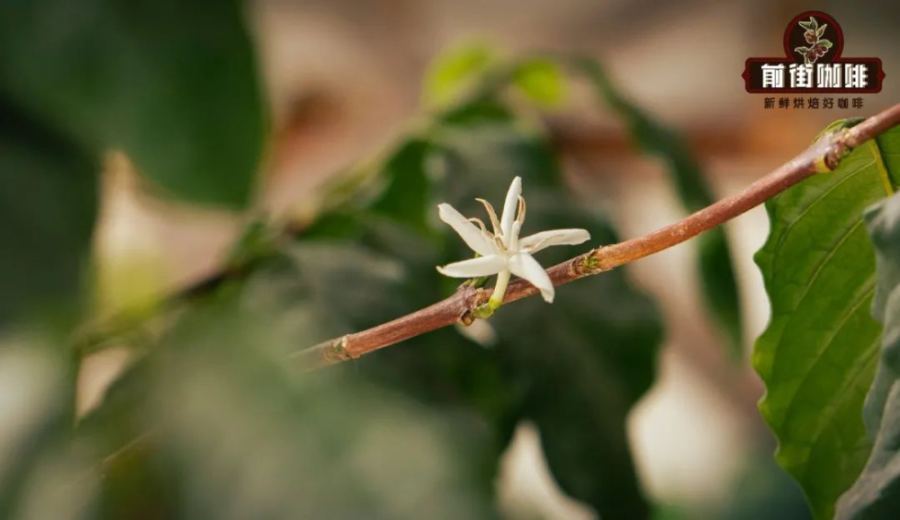
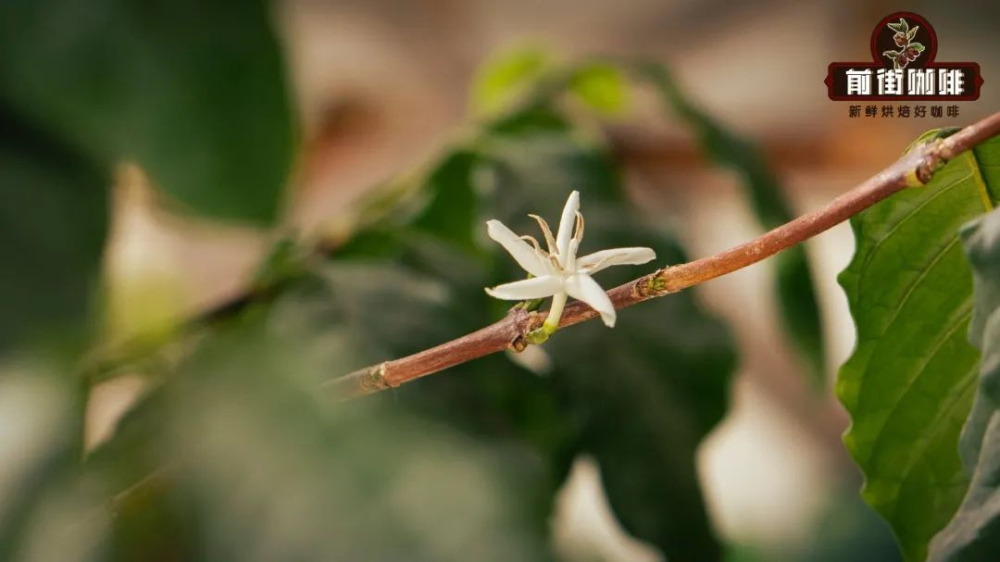
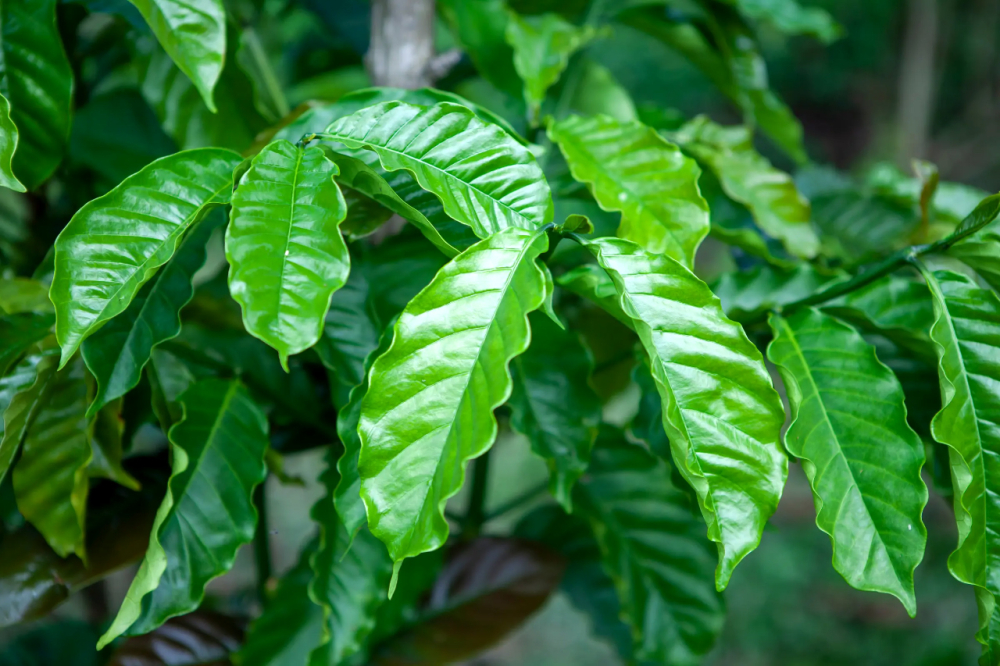
Arabica coffee trees are shrub-like, with oval-shaped green leaves, naturally growing up to 5–6 meters tall, and have a lifespan of about 20–30 years. However, their individual yield is relatively low, accounting for approximately 75% of the world’s total coffee production. Robusta plants, on the other hand, are sturdier, suited to tropical or subtropical regions at altitudes of 200–800 meters. They are highly resilient, require minimal environmental conditions, have low planting costs, and produce substantial yields. Robusta (Robusta), originally from the Congo region of West Africa, is a widely cultivated subspecies within the Canephora species and has almost become synonymous with the group. It accounts for 20%–30% of the world’s total coffee output and is known for its high caffeine content and bold taste.
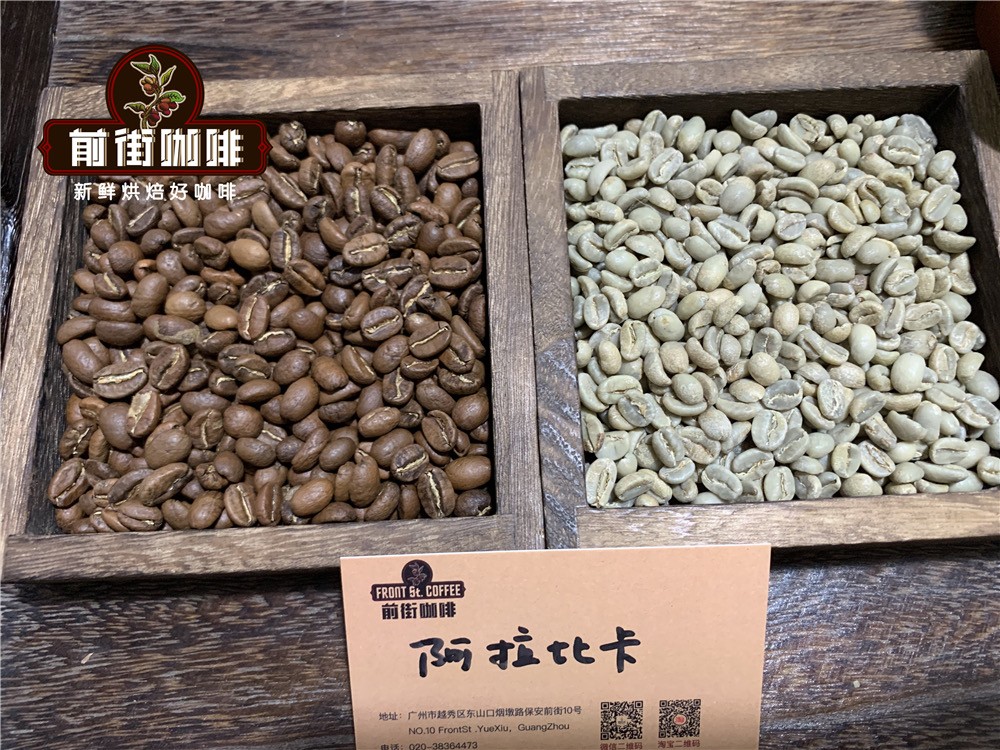
Robusta coffee beans have distinctive physical features: each fruit contains only one bean, which is roundish and C-shaped, with a clear central line forming a “1” shape. The raw beans are yellow-brown in color. Although Robusta is often considered inferior in flavor to Arabica, its high caffeine content (about 3.2%) and rich oils made it highly popular during the rise of espresso culture. However, as the concept of specialty coffee became more widespread, consumers began to focus on origin flavors and subtle nuances. Robusta’s bitterness, as well as its nutty and smoky flavor notes, are often perceived as being coarser. Even so, in producing regions such as Vietnam and Indonesia, Robusta still displays unique regional characteristics.
Major producers of Robusta include Vietnam, Indonesia, and countries in West Africa such as Algeria and Angola. Vietnam primarily grows Robusta, and its beans are commonly used in commercial blends to provide body and crema for espresso. Indonesia is another significant global producer of Robusta, and its coffee culture is deeply influenced by history and geography. In the mid-17th century, the Dutch introduced coffee to Indonesia. By 1877, due to the ravages of coffee leaf rust, many plantations switched to cultivating Robusta. Sumatra Island in Indonesia is famous for its Mandheling coffee, where the “wet hulling” processing method allows Robusta-genetic beans to exhibit herbaceous, spicy, and cocoa-rich bold flavors.
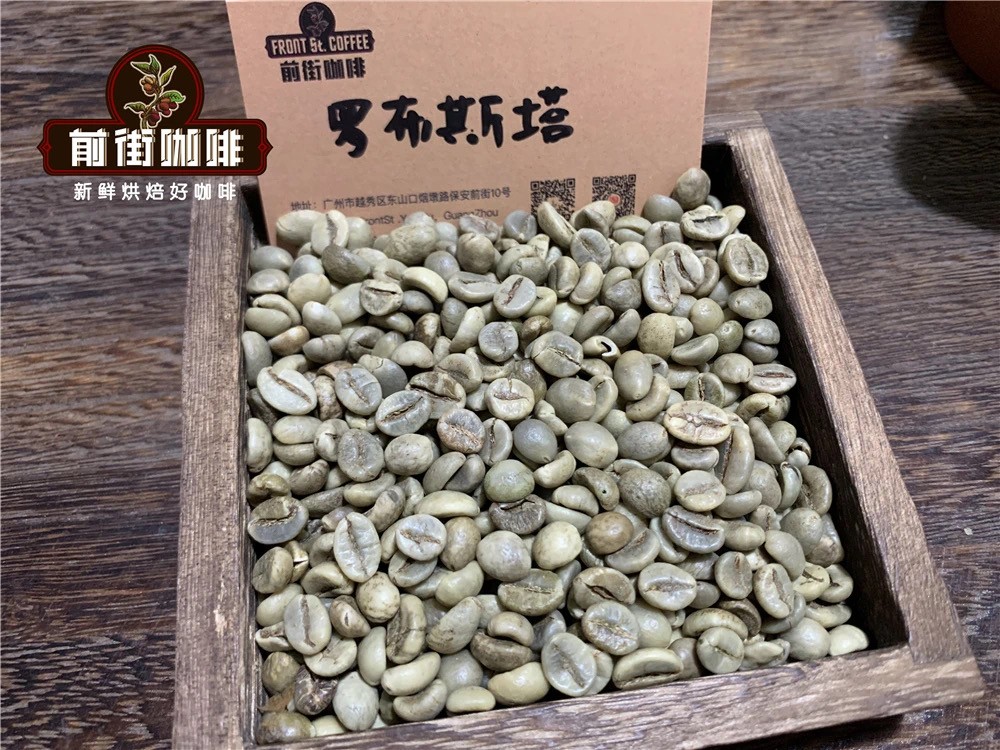
Sumatran Mandheling is one of Indonesia’s representative Robusta coffees, with notable offerings including DP Grade 1 and Aged Mandheling. DP Grade 1 Mandheling leaves a long-lasting aftertaste with earthy forest-floor aromas, showcasing a bold and robust profile. The varieties planted in Mandheling, such as TimTim (Timor hybrid) and Ateng (Catimor), both have Robusta lineage, combining Arabica flavors with Robusta’s disease-resistant traits, making them well-suited to Indonesia’s hot and humid climate. Although the Robusta genetics may introduce slightly harsher tones, the unique local “wet hulling” process ultimately results in low acidity, high body, and herbaceous-spicy characteristics.
Indonesia’s wet hulling method originated from local climatic challenges: high temperatures, humidity, frequent rainfall, and lack of sunlight make traditional sun-drying and washed methods difficult to implement. In the wet hulling process, part of the outer mucilage is removed after fermentation, accelerating the drying process and creating the unique mouthfeel of Mandheling. This processing method enables even Robusta-genetic beans to deliver world-class body, proving that Robusta is indeed capable of achieving specialty-grade flavors.
For coffee enthusiasts who enjoy pour-over brewing, here are professional brewing recommendations for Mandheling: use a KONO filter, control the water temperature at 88°C, set the coffee-to-water ratio at 1:15 (15 grams of coffee grounds with 225 milliliters of water), and grind to a size where 75% of the grinds pass through a standard #20 sieve. Use a three-stage extraction method: begin with a 30-second bloom using twice the weight of coffee grounds in water (30 grams) to release CO₂; then pour in a small, circular motion until reaching 125 grams, followed by a second pour to 225 grams. The total brewing time is about 2 minutes. This method enhances the coffee’s body and flavor balance.
Robusta coffee from different regions presents diverse flavor profiles: Lingtong Mandheling is characterized by herbal, chocolate, and caramel notes with balanced flavor; Golden Mandheling features a complex layering of nuts, spices, licorice, and caramel. To brew high-quality Robusta coffee, freshness is crucial. It is recommended to choose beans roasted within five days and consume them within 4–7 days upon receipt for optimal flavor. If grinding is needed, it is best to brew immediately to avoid oxidation affecting the flavor. Purchasing whole beans and grinding them fresh for brewing is the best way to appreciate the nuances of Robusta.
The above content is compiled by CoffeeHunters, a coffee news website.


