







Introduction:Yirgacheffe in Ethiopia is a holy grail for specialty coffee enthusiasts around the world. The beans from this region can exhibit vastly different flavor profiles simply based on whether they are processed using the washed or natural method. This article delves into the historical background, processing differences, and how these two methods shape Yirgacheffe’s distinctive citrus, berry, or honey-like sweetness, while also providing practical pour over recommendations to help you discover your own preferred flavor profile.
Ethiopia is hailed as the birthplace of coffee, blessed with ideal climate and altitude conditions that nurture numerous coffee varieties with unique characteristics. Among its many producing regions, Yirgacheffe stands out with its bright, floral, and fruity notes, making it a gateway for many into the world of specialty coffee. Interestingly, even within the same region, Yirgacheffe beans can present radically different flavor expressions—simply due to whether they are processed naturally or washed.
Washed Yirgacheffe is known for its clarity of acidity, delicate floral notes, and citrus tones. It has a clean and crisp mouthfeel, resembling a well-blended floral and fruity tea. In contrast, naturally processed Yirgacheffe showcases intense berry aromas, rich sweetness, and a hint of fermentation complexity, resulting in a fuller-bodied and more layered cup. These two processing methods not only influence the final flavor of the coffee but also reflect the diversity and evolution of Ethiopian coffee culture.
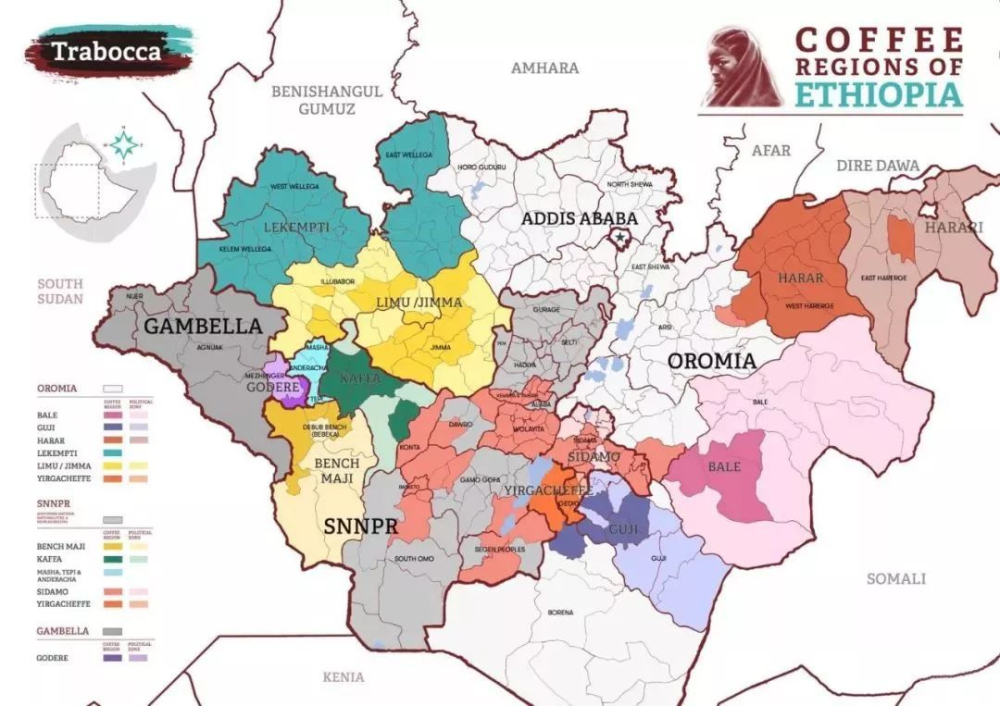
Located in southern Ethiopia, Yirgacheffe is a high-altitude region with cool weather and abundant sunshine, providing an ideal environment for coffee trees to thrive. Historically part of Sidamo, the region gained independent status due to its distinct flavor characteristics. Notably, Ethiopia boasts an exceptionally rich coffee gene pool with thousands of varieties. However, due to complex classification and protection policies, commercially available beans are often labeled simply as “Heirloom (原生种),” which means the flavor variations between regions often stem more from processing methods and microclimates rather than specific varieties.
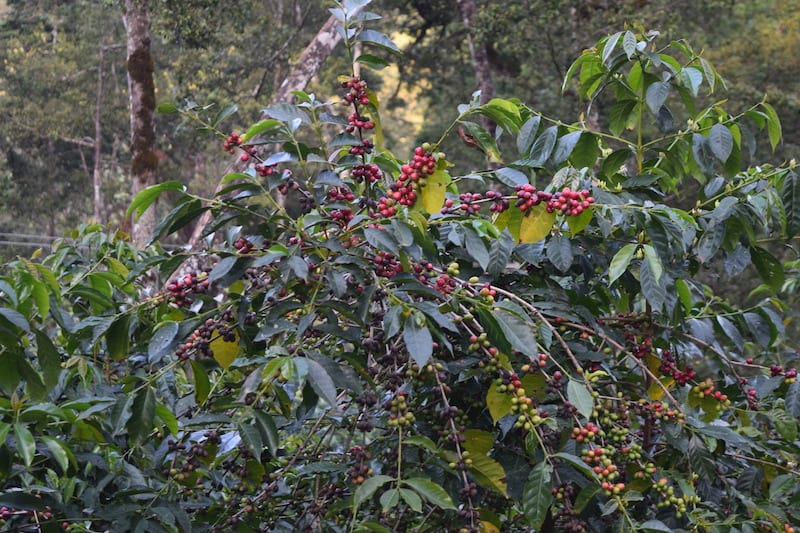
When discussing Yirgacheffe processing methods, washed processing is one of the most widely recognized techniques today. This method was introduced in the 1970s when Ethiopia adopted advanced washing techniques from Latin America, aiming to improve coffee consistency and quality stability. The washed process involves removing the skin and pulp of the coffee cherry, then fermenting the mucilage-covered beans in water for 18 to 36 hours to break down residual fruit pulp. After thorough rinsing, the beans are evenly spread on raised drying beds to dry. This process effectively reduces interference from impurities and off-flavors, highlighting the terroir characteristics of the region.
Washed Yirgacheffe typically exhibits bright lemon acidity, white floral notes, and a honey-like finish. With a clean and layered mouthfeel, it appeals to those who prefer bright acidity and floral-fruity profiles. Such beans are often used as a benchmark for entry-level specialty coffee, helping newcomers establish a foundational understanding of different regional flavors.
In contrast, the natural processing method is a more traditional technique for Yirgacheffe and has long been an important way for local farmers to preserve the inherent flavors of the coffee. In natural processing, the entire coffee cherry is dried under the sun without removing the skin or pulp, allowing the natural sugars and aromatic compounds in the fruit to fully penetrate the bean core. This method demands higher standards in both weather and technique, but it imparts a richer profile of berries, tropical fruits, along with unique sweetness and fermentation layers.
In recent years, improved natural Yirgacheffe processing has regained market attention. Many renowned microlots, such as the “Red Cherry Project,” have utilized this method to produce specialty coffees with full flavor and stable quality. These beans are suitable for medium to light roasting to preserve their bright acidity and complex fruit characteristics. For actual pour over brewing, it is recommended to use a Hario V60 filter, with water temperature controlled at around 90°C, a coffee-to-water ratio of 1:15, and grind size approximately equivalent to 80% passing through a Chinese standard No. 20 sieve. The specific steps are as follows: start with a 30-second bloom using 30 grams of hot water to activate the coffee grounds and release CO₂; then pour in a circular motion with a thin stream of water from the center outward up to 125 grams, wait for the water level to drop, and continue pouring up to 225 grams. The total extraction time should be around 2 minutes. These parameters help balance sweetness, acidity, and body, showcasing the full flavor spectrum of naturally processed Yirgacheffe.
Whether you prefer the clean and refreshing taste of washed coffee or the rich and sweet profile of natural processing, Yirgacheffe offers a diverse range of flavor experiences. Understanding the differences between these two processing methods not only enhances your appreciation of coffee but also helps you make more personalized choices when selecting beans and adjusting brewing parameters. Through hands-on brewing experiments and careful tasting, you’ll uncover the endless possibilities of Yirgacheffe under different processing methods.
The above content is compiled by CoffeeHunters, a coffee news website.


