







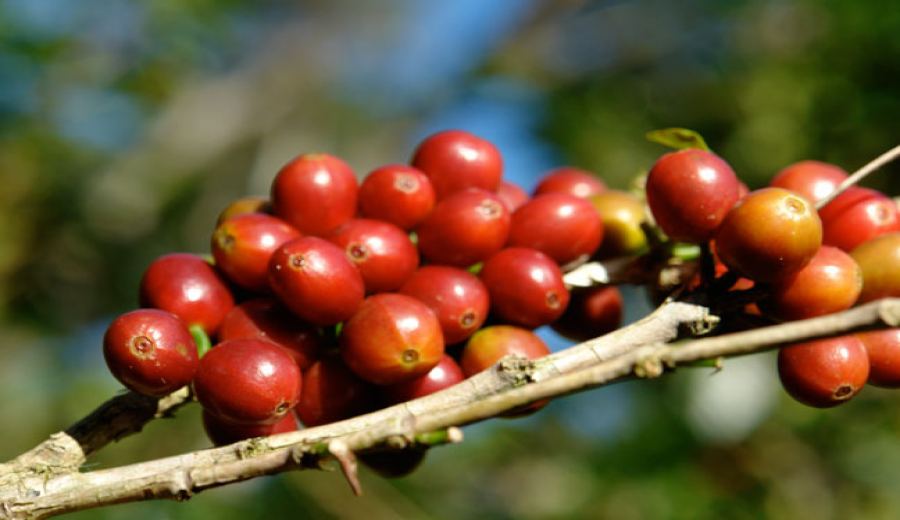
Introduction:Want to dive deeper into the uniquely flavorful Geisha coffee? This article provides a comprehensive overview, covering the variety’s origins, renowned producing regions such as Panama and Ethiopia, as well as the grading systems and characteristics of famous farms. It also offers practical brewing references for different processing methods and roast levels — including pour over, cold brew, and espresso — to help coffee enthusiasts find the perfect cup that suits their taste.
Geisha coffee, known for its distinctive floral and fruity aromas and relatively high market positioning, has long been regarded as one of the top-tier offerings in the coffee world, even once making it onto Forbes’ list of the world’s ten most expensive coffees. Originating from Ethiopia, this variety truly shines in Panama, especially the Geisha produced by Hacienda La Esmeralda, which has become a legend in both the industry and among coffee lovers.
The term “Geisha” is pronounced similarly to the Japanese word for “geisha,” hence its nickname “瑰夏” (Guīxiā). Regardless of the name, what makes this coffee truly captivating is the delicate floral notes, tropical fruit profiles, and layered aftertaste it delivers in the cup. For those new to specialty coffee, understanding the producing regions, processing methods, and roast characteristics of Geisha is the first step toward appreciation and selection.
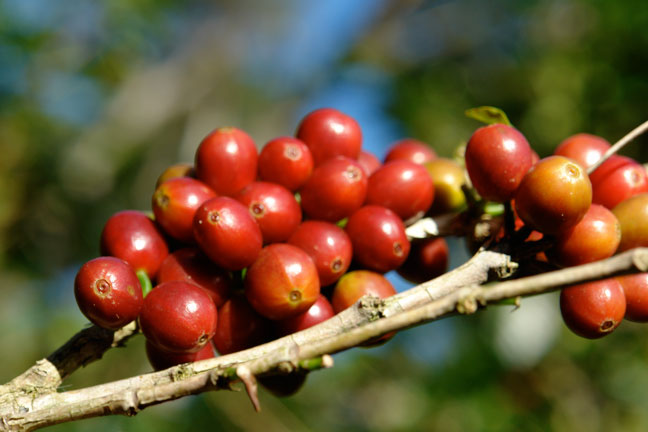
When it comes to Geisha, Panama is often the first place that comes to mind. Among the many coffee farms in Panama, Hacienda La Esmeralda is undoubtedly one of the most renowned Geisha producers, with its Geisha coffees frequently taking top honors in global competitions. Based on bean quality and processing details, the farm categorizes its Geisha into different grades, with Red Label and Green Label being the most representative. Red Label Geisha typically boasts strong traceability, belonging to the top-tier batches, characterized by complex floral notes and citrus tones; whereas Green Label consists mostly of mixed lots but still retains the signature bright citrus and honey sweetness of Geisha.
If you’re looking to experience flavors closer to Geisha’s place of origin, Gesha Village Estate in Ethiopia is also a must-try. The farm is located near the birthplace of the Geisha variety, surrounded by pristine forests and enjoying excellent ecological conditions. Gesha Village also implements a rigorous grading system, including various tiers such as Gold Label, Red Label, Green Label, and Chaka. Among them, Red Label Geisha is based on Gori Geisha beans scoring 88 points or above in cupping, mostly processed using the natural method. It shines with bright acidity, delicate floral notes, and a clean finish, offering good value and making it an ideal choice for beginners.
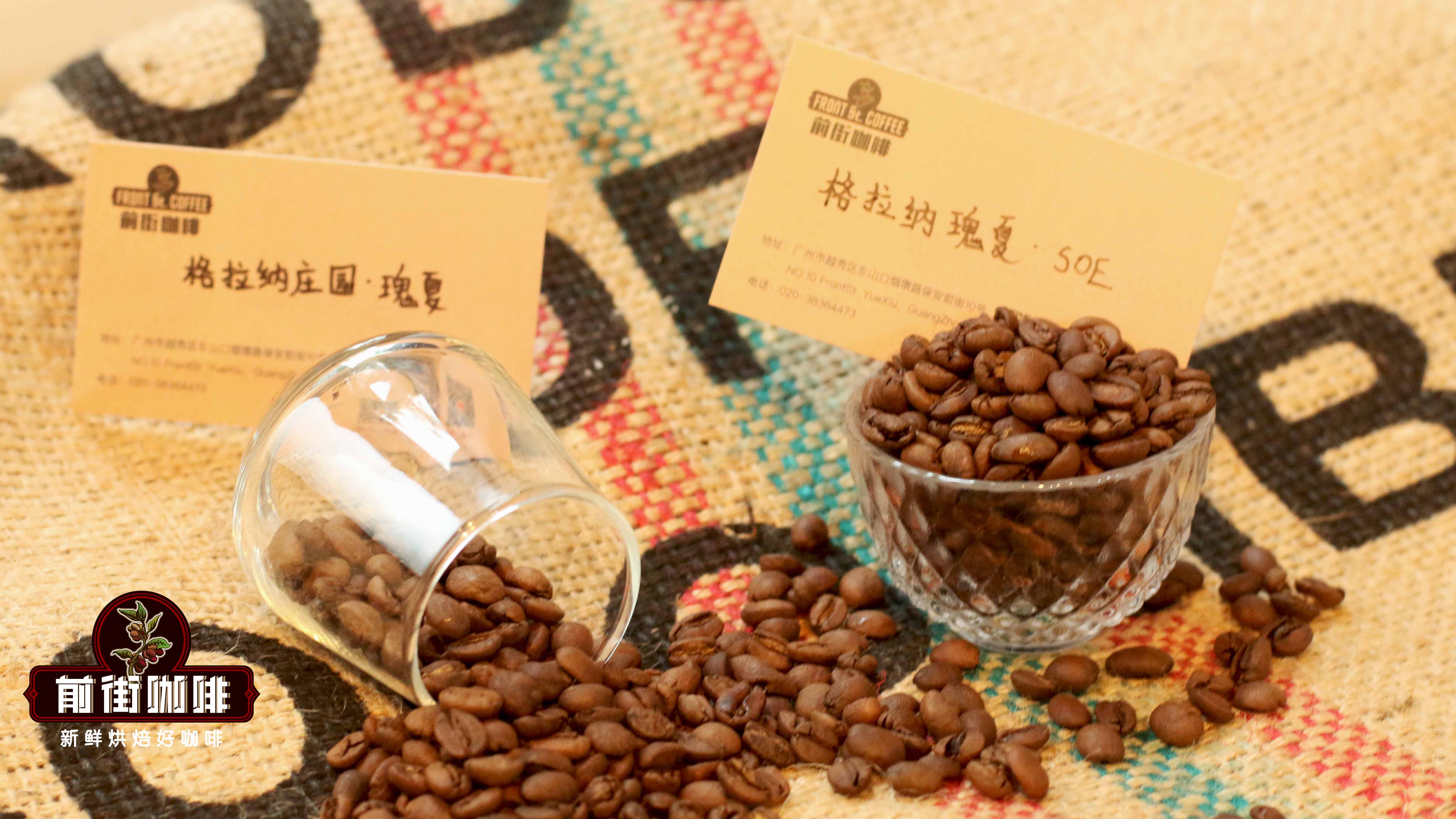
Beyond high-end specialty-grade Geisha, there are also some everyday-drinking, more affordable options gradually appearing on the market. For example, a certain farm’s offering of Geisha coffee is a noteworthy option. This version is primarily sun-dried and, when lightly roasted, exhibits tropical fruit aromas such as yellow peach, citrus, and guava. It is recommended to brew via pour over or cold brew to fully showcase its bright acidity and layered fruitiness. If medium roasted, it transforms into a Geisha Single Origin Espresso (SOE) suitable for espresso machines, with flavors shifting to dried almond, caramel, and nutty notes — ideal for those who prefer a richer taste.
In terms of grind size, since Geisha beans are typically finer and denser, a medium-fine grind — roughly similar to the granularity of granulated sugar — is recommended for pour over to effectively extract the floral and fruity aromatic compounds. For espresso, adjust to a medium grind to balance intensity with balanced acidity and sweetness. Regardless of brewing method, water temperature control is essential; generally, a pour over is best at 90–93°C, while espresso should be fine-tuned between 92–96°C depending on the roast level.
In summary, the charm of Geisha coffee lies not only in its premium price tag, but also in its diverse and nuanced flavor profile. From the misty highlands of Panama to the pristine forests of Ethiopia, different producing regions and processing methods endow Geisha with a variety of expressions. By understanding each farm’s grading system, processing techniques, and recommended brewing methods, you’ll be able to select and enjoy your own perfect cup of Geisha with greater precision.
The above content is compiled by CoffeeHunters, a coffee news website.


