







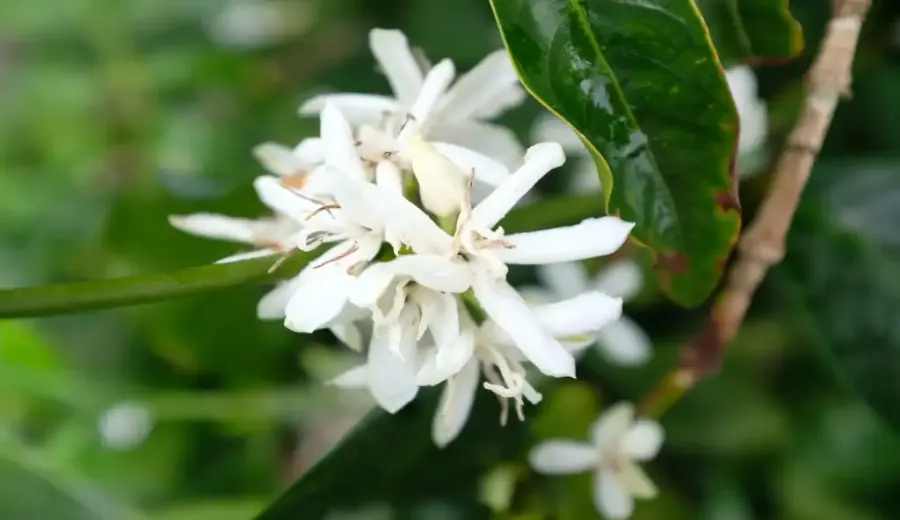
Introduction:The sun-dried coffee from Yirgacheffe Worka often exhibits a fresh and delicate jasmine-like floral aroma, which is considered a classic flavor profile cherished by many coffee enthusiasts. This floral note is not accidental but rather the result of a complex interplay of factors such as variety, origin, processing method, and roasting. This article will explore the sources of its aroma, processing characteristics, and quality attributes to help you better understand and appreciate this uniquely flavored coffee.
In the world of specialty coffee, floral notes have always been one of the most enchanting flavor profiles, yet they are also often elusive. The floral aromas in coffee do not come from a single source but result from the interaction of numerous elements, including volatile organic compounds, organic acids, and polyphenols in green beans, combined with factors such as variety traits, growing environment, processing methods, roast profiles, and brewing techniques. Take the sun-dried Yirgacheffe Worka as an example—it often exudes a fresh and delicate jasmine-like floral aroma. Such white floral notes are especially common in washed, light-roasted coffee beans from African and Central American regions. Understanding the logic behind these aroma formations and regional characteristics can help you more easily find your desired floral flavors when selecting coffee.
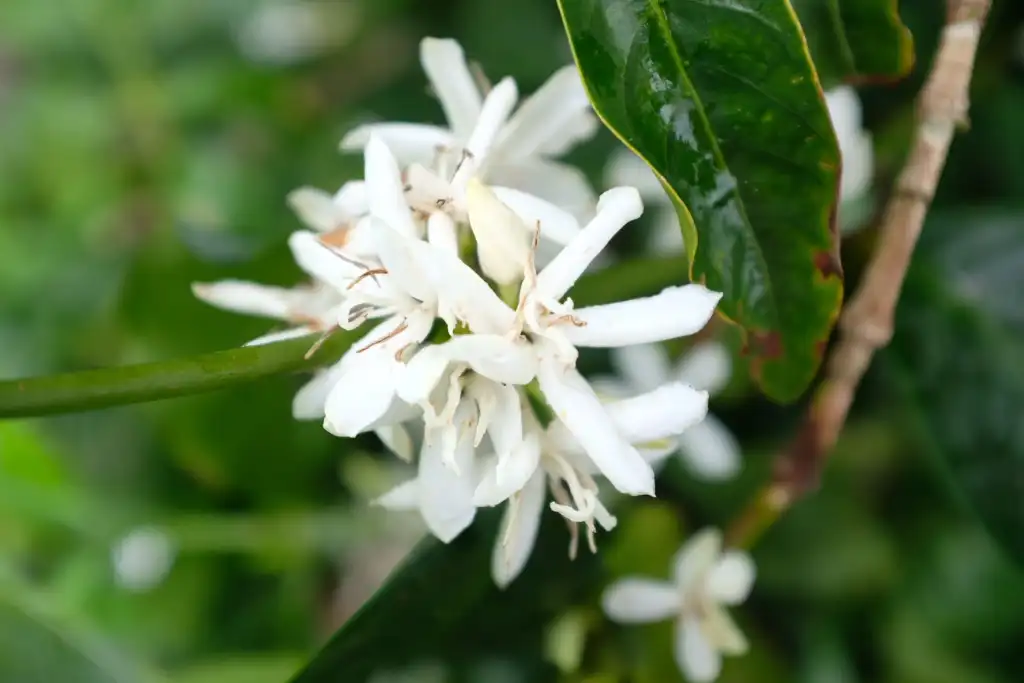
Being able to perceive floral notes in coffee is a delightful sensory experience. These aromas not only enrich the overall flavor profile of the coffee but also broaden olfactory perception, enhancing the overall enjoyment of drinking. However, for many enthusiasts still developing their coffee tasting skills, identifying floral notes can be quite challenging. Compared to more easily recognizable fruit notes, floral notes are usually subtler, more nuanced, and harder to describe with simple words.
The floral notes in coffee are primarily composed of various volatile compounds found in green beans, including terpenes, alcohols, esters, aldehydes, and lactones. The interaction of these chemical components creates the diverse floral tones we perceive. Research shows that some coffee varieties inherently possess richer aromatic potential. For instance, the renowned Geisha variety, rich in aromatic compounds such as linalool, limonene, and β-myrcene—monoterpenes—exhibits a unique aroma profile. These aromatic substances gradually develop during the coffee plant’s growth, post-harvest processing, and roasting stages, and are released as heat is applied during pour over or other brewing methods, ultimately resulting in the delicate floral notes in our cup.
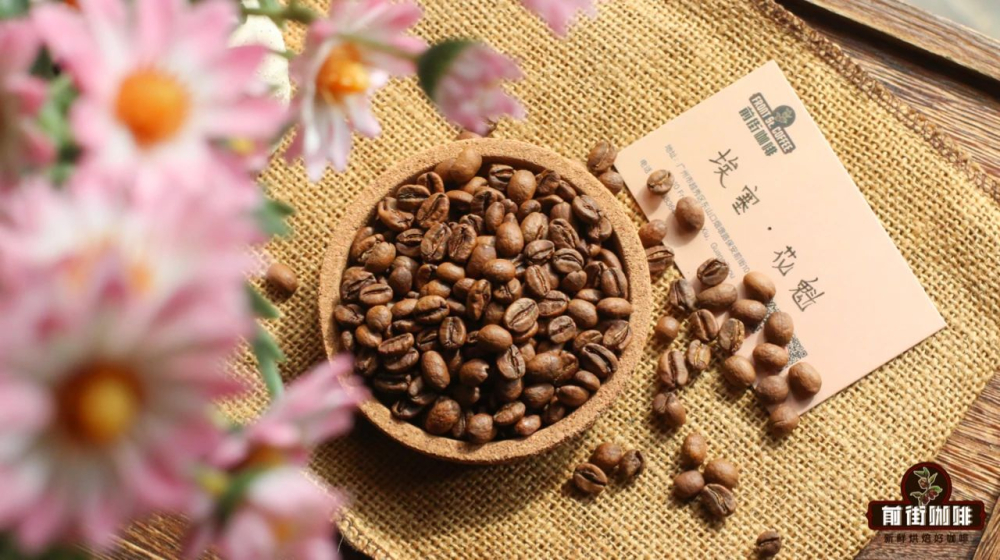
It’s worth noting that floral notes are often extremely subtle and may even remain indistinct even during cupping. However, certain types of floral notes do share some common traits. For example, white floral notes represented by jasmine typically carry a fresh and soft scent, giving off an elegant and comfortable impression. These floral notes are particularly common in coffees from African and Central American origins, especially those processed using the washed method and roasted lightly, where they can be more clearly perceived. Understanding these basic patterns can help coffee enthusiasts more purposefully seek out beans with floral characteristics when purchasing or tasting.
If you’re hoping to experience a coffee with distinct jasmine floral notes, consider trying a medium-light roasted washed coffee. Such coffees typically showcase refreshing floral characteristics along with a clear taste reminiscent of green tea, making them well-suited for brewing methods such as pour over, drip bags, or cold brew, which can fully highlight their refined aromas and layered flavors. By adjusting brewing parameters—such as keeping the water temperature between 90-93°C and using a coffee-to-water ratio of about 1:15 to 1:16—you can better bring out the delicate floral notes and bright acidity in the coffee.
In summary, the jasmine floral notes presented in the sun-dried Yirgacheffe Worka are the crystallization of multiple natural and processing conditions. From the genetic background of the variety and the microclimate of the origin, to the choice of processing method and the control of roast level, each stage influences the final aromatic expression in the cup. Gaining a deeper understanding of these underlying principles not only enhances our ability to perceive coffee flavors but also enables us to make smarter choices when selecting and brewing coffee, thus enjoying a richer coffee experience.
The above content is compiled by CoffeeHunters, a coffee news website.


