







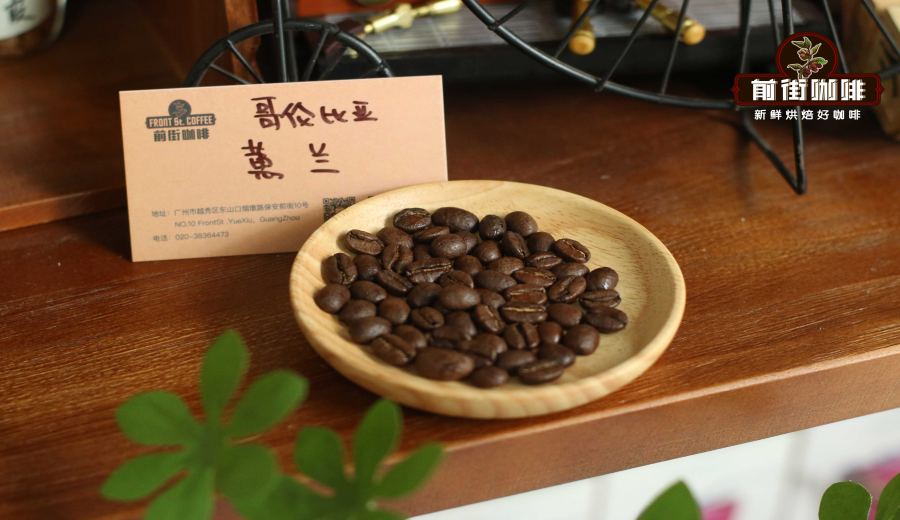
Introduction:Colombian coffee, celebrated for its diverse regional characteristics and refined processing methods, is an essential choice for specialty coffee enthusiasts around the world. This article will delve into the main coffee-growing regions of Colombia, the predominant coffee varieties cultivated, and processing techniques. It also compares the flavor profiles of three different processing methods—Huila washed, Sidra, and Maragogype—and provides practical pour-over brewing recommendations to help you fully grasp the essence of Colombian coffee.
Colombian coffee has long been known for its balanced and gentle flavor profile, holding a significant position in the global specialty coffee market. From the classic Huila washed beans to the increasingly popular specialty lots such as Sidra and Maragogype, Colombia continues to meet the taste expectations of diverse coffee lovers with its varied flavor profiles and distinct regional characteristics.
This article will take you on an in-depth exploration of the cultivation background, regional distribution, major varieties, and processing technologies of Colombian coffee. We’ll also provide a detailed flavor comparison of three representative coffees—Huila washed, Sidra, and Maragogype—along with practical pour-over brewing suggestions, giving you a more comprehensive understanding of the unique charm of this South American coffee kingdom.
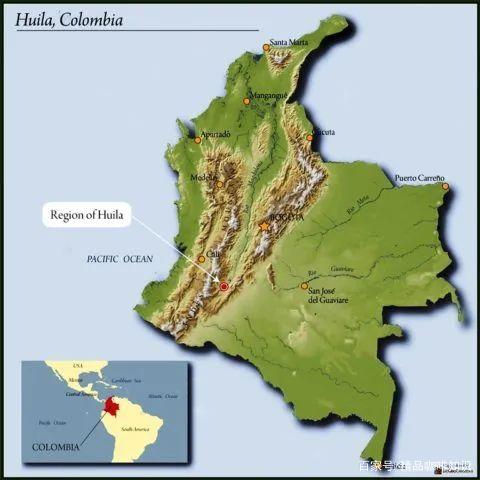
The captivating flavors of Colombian coffee are inseparable from its uniquely favorable natural environment. Located in the northwest of South America, near Panama in Central America, Colombia lies within the tropics but benefits from its diverse terrain, which creates a variety of microclimates. The country receives an annual average rainfall of 2000 to 3000 millimeters, with average temperatures ranging between 15.8 and 20.5°C. The altitudes of major coffee-growing regions mostly fall within the ideal range of 18°C to 22.5°C, allowing coffee to be harvested year-round and resulting in stable, high-quality yields.
Colombian coffee (Café de Colombia) is not only one of the few single-origin coffees named after a country, but it has also earned high international acclaim for its refined processing and consistent quality. Compared to producing regions like Brazil, which focus on large-scale production and bold flavor profiles, Colombian coffee is known for its mildness, low acidity, and delicate aromas. This “soft” style makes it stand out uniquely in the specialty coffee scene.

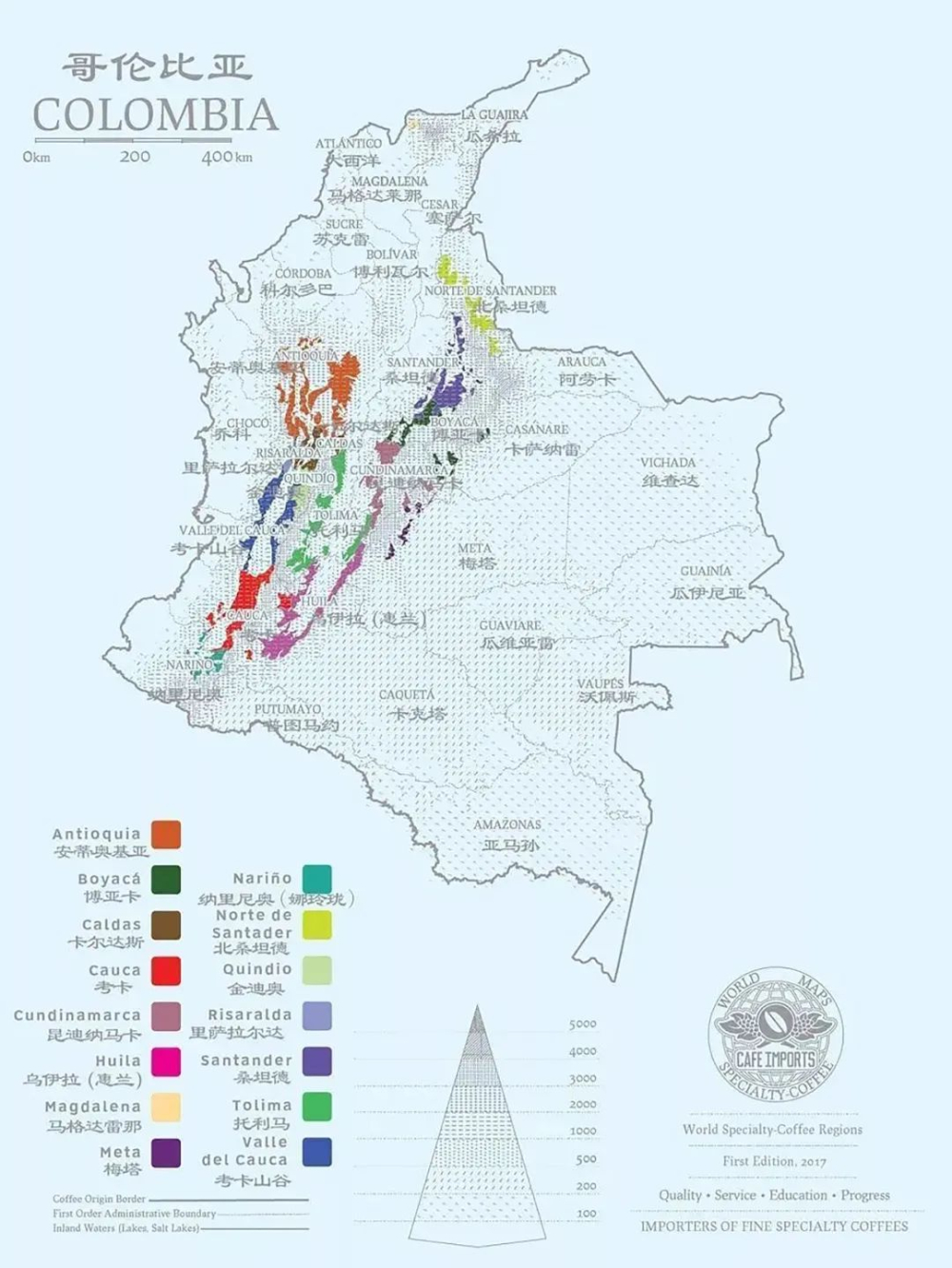
Colombia is the world’s third-largest coffee producer and the largest exporter of Arabica and washed coffee beans. Its major growing regions can be divided into the traditional “MAM” trio—including Medellín, Armenia, and Manizales—as well as southern regions renowned for their high altitudes and refined flavors, such as Huila, Cauca, Nariño, and Tolima. Southern growing areas generally exceed 1500 meters in altitude, and the coffee produced there often features pronounced notes of berries, caramel, and a balanced acidity-sweetness profile.
In terms of variety, Colombia primarily cultivates Arabica, with Caturra, Catuaí, Typica, and Maragogype being the main ones. Additionally, some advanced farms have started planting varieties such as Geisha, Castillo, and Colombia. Among these, Castillo is a leaf rust-resistant variety that has been heavily promoted since 2008, while the Colombia variety is a hybrid developed through multiple generations of crossbreeding, combining disease resistance with classic Arabica flavors.
Washed processing is the predominant method for Colombian coffee, as this technique effectively highlights the intrinsic flavors of the coffee while maintaining a balanced acidity and sweetness. The basic steps of washed processing include selecting ripe coffee cherries, removing the pulp, fermenting to remove the mucilage, washing, and drying. Fermentation typically lasts between 16 and 36 hours, depending on the climate. This process significantly enhances the coffee’s clarity and aromatic expression.
However, in recent years, Colombia has gradually adopted special processing methods such as anaerobic fermentation and wine barrel fermentation, introducing richer fruit tones and complex fermentation layers to the coffee. For example, varieties like Sidra and Maragogype, when processed using anaerobic sun-drying methods, can exhibit intense floral-fruity aromas and unique rich aftertastes, making them new favorites in the specialty coffee market.
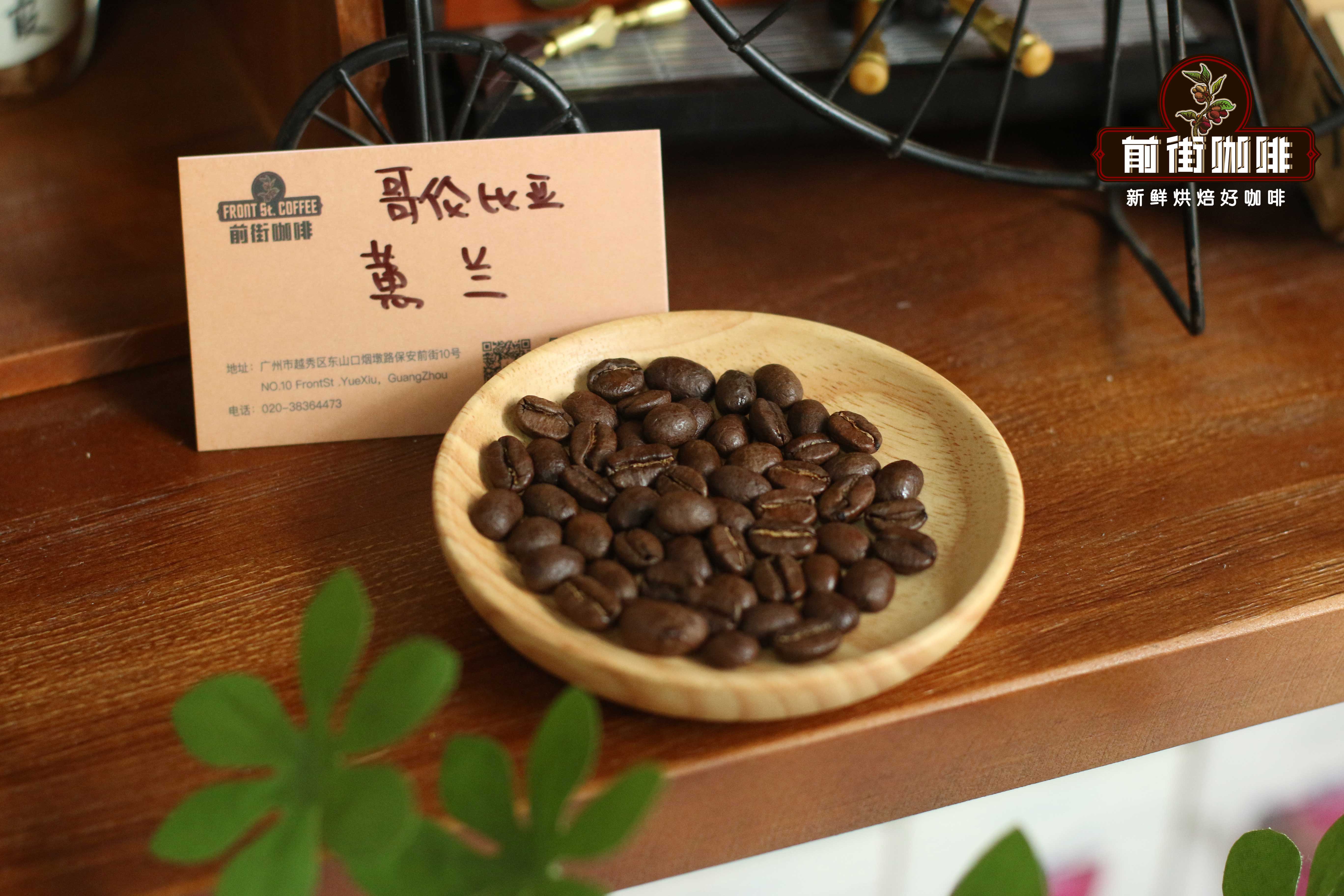
In terms of actual tasting, Huila washed beans often present distinct notes of dark chocolate, nuts, and caramel, with a gentle acidity and prominent sweetness. They are highly suitable for coffee lovers who prefer stable and full-bodied flavor profiles. Meanwhile, Sidra, after anaerobic processing, showcases intense floral notes, apricot-like flavors, and a wine-like aftertaste, offering a rich mouthfeel and clear layering. Maragogype, due to its large bean size and special processing, displays bright citrus, berry, and pineapple-like juiciness, with vibrant acidity and vivid flavors.
Regarding brewing recommendations, different processing methods and roast levels require matching with appropriate equipment and parameters. For instance, for medium-dark roasted Sidra coffee, it is recommended to use a KONO filter, with a water temperature of about 88°C, a brew ratio of 1:15, and a grind size set to medium-fine (80% through a #20 sieve). During brewing, a segmented extraction method can be used: start with a 30-second bloom using twice the coffee dose (approximately 30 grams), then add water in stages up to 225 grams, achieving a total brew time of about 2 minutes.
If you opt for medium-light roasted Huila or Maragogype, it is suggested to switch to a Hario V60 filter, raising the water temperature to 90°C while maintaining the same 1:15 brew ratio and medium-fine grind. By controlling the pouring speed and employing proper segmentation techniques, the fruit acidity, floral notes, and sweetness layers of the coffee can be highlighted more clearly.
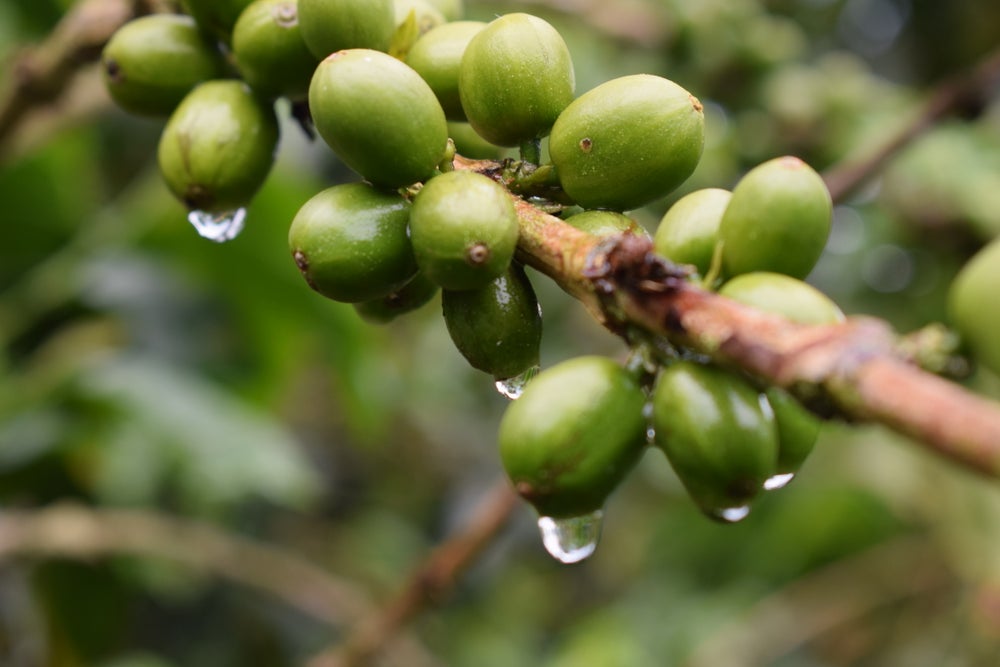
In summary, the allure of Colombian coffee lies in its diverse regional terroirs, rich variety selection, and continuously innovative processing techniques. Whether you prefer the stable balance of washed Huila, or are drawn to the layered complexity and anaerobic experiments of Sidra and Maragogype, you’re sure to find your own flavor adventure within Colombian coffee.
From bean selection and roasting to brewing, every step influences the final flavor expression. Specialty coffee enthusiasts are encouraged to adjust grind size, water temperature, and brewing techniques according to personal preferences, further unlocking the infinite possibilities of Colombian coffee.
The above content is compiled by CoffeeHunters, a coffee news website.


