








Introduction:A deep dive into the geographical advantages, climatic characteristics, and microclimates of Panama’s two major Geisha-producing regions—Boquete and Volcán—explores the unique physiological needs and demanding cultivation conditions of the Geisha variety. This article helps you understand how washed processing brings out the clean and bright flavors of Geisha, and provides hands-on pour over recommendations and parameters to fully showcase Geisha’s citrus acidity, fruity floral aromas, and tea-like aftertaste.
Panama is a name that cannot be overlooked on the map of specialty coffee, especially when it comes to the Geisha variety—almost all coffee enthusiasts turn their attention here. In particular, the Boquete and Volcán regions not only produce numerous championship beans from international competitions, but also showcase unprecedented flavor depth thanks to their unique microclimates and high-altitude environments. This article will give you a comprehensive understanding of the flavor background of Panamanian Geisha, analyzing step by step—from regional differences, varietal characteristics, processing methods to actual pour over practices—how this “masterpiece of the coffee world” is created.
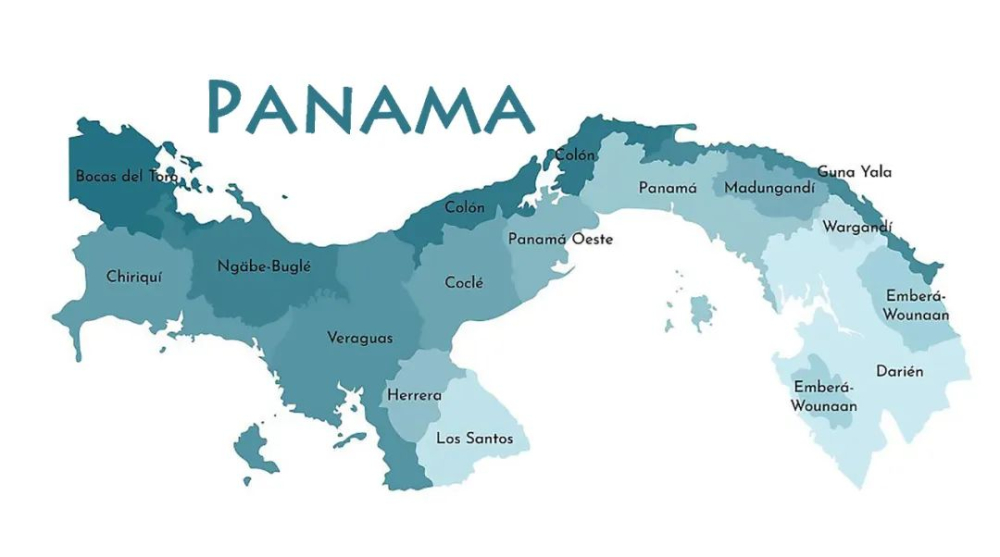
Panama is located in the Central American isthmus. Although its land area is not large, the terrain and altitude variations within the country are extremely rich, making it particularly suitable for specialty coffee cultivation. The main coffee-growing regions are concentrated in the western part of the country, with Boquete and Volcán becoming sanctuaries for specialty coffee lovers due to their excellent combination of altitude, soil, and climate. Beyond these two well-known regions, Santa Clara and Piedra de Candela also have limited plantings, but their visibility in the international market is relatively low.
Boquete is located in the Chiriquí Province, near the border between Panama and Costa Rica, adjacent to the famous Volcán Barú. In addition to fertile volcanic soils, the area features steep mountainous terrain, cool climates, and frequent fog, creating seven distinctly different microclimates. Ample year-round rainfall and significant day-night temperature variations allow coffee cherries to ripen slowly, accumulating richer flavor compounds. Renowned farms such as Emerald, Elida, and Duncan are located in this region, producing many auction-grade Geishas.
In contrast, the Volcán region is famed for its extremely high altitudes, with coffee generally grown between 2,000 and 3,000 meters above sea level. This area was historically dominated by fruit cultivation, with coffee being a later development. The Hartmann family is the most representative producer in the region, and their long-term dedication to coffee variety improvement and meticulous field management has resulted in Volcán Geisha’s distinctive intense fruity notes and high sweetness. Due to slightly lower average annual rainfall compared to Boquete, along with coffee often being intercropped with various tropical fruits, Geisha from this region often exhibits more exuberant tropical fruit tones—such as passion fruit, mango, and lychee—alongside bright citrus and honey aromas.
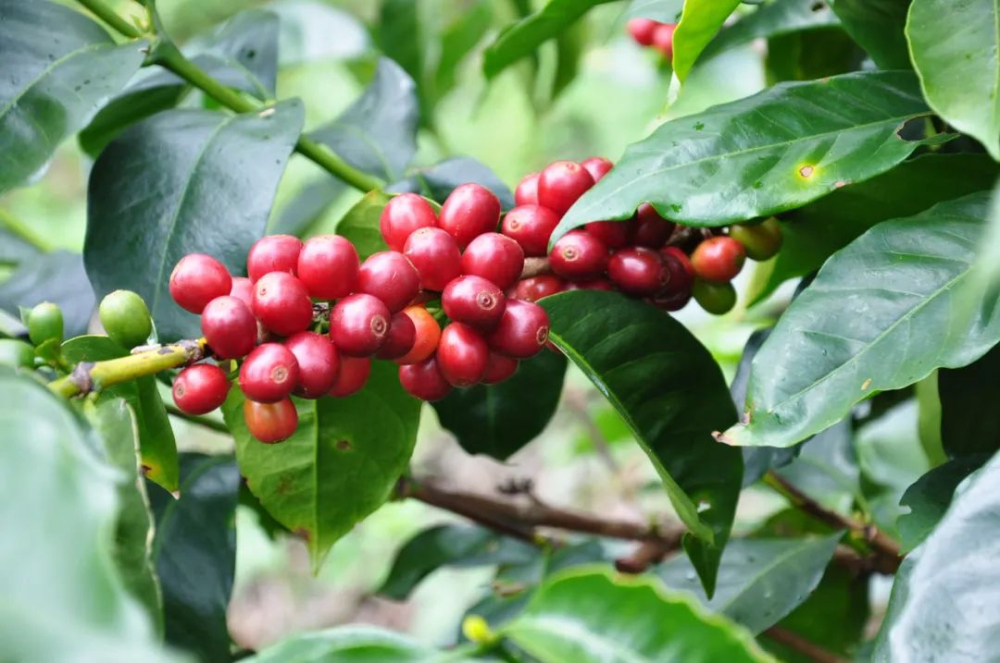
When discussing Geisha, one cannot overlook its uniqueness as a variety. Compared to commonly seen cultivars like Caturra or Typica, Geisha not only has extremely low yields, but also places extremely demanding requirements on its growing environment. It prefers high altitudes, nutrient-rich volcanic soils, and requires moderate shading and cloud cover, unable to withstand intense direct sunlight. Geisha has thinner leaves, lower photosynthesis efficiency, and weaker root development, resulting in slower absorption of water and nutrients, with overall yield per plant only about half that of Caturra.
The manager of Emerald Estate once pointed out that Geisha plants initially require substantial shading from trees and the use of traditional pruning techniques; otherwise, they can easily die under environmental stress. Additionally, the maturation cycle of Geisha cherries is longer, and the higher the altitude at which the plants are grown, the longer it takes for the cherries to ripen, leading to increasingly complex flavors. This means that timing the harvest is crucial—picking too early or too late can directly affect the final flavor expression, posing a major challenge for the estate in terms of harvest judgment and labor scheduling.
Although the Geisha variety has been introduced around the world, Panama’s exceptional terroir remains the best stage for nurturing its classic flavors. A certain brand’s offering of a Boquete washed Geisha aims to allow coffee lovers to experience the closest possible expression to the original flavor profile of Geisha. Washed processing—by removing the pulp and mucilage, followed by controlled-temperature fermentation and clean water washing—effectively enhances the cleanliness of the beans and highlights Geisha’s inherent bright acidity and floral aroma.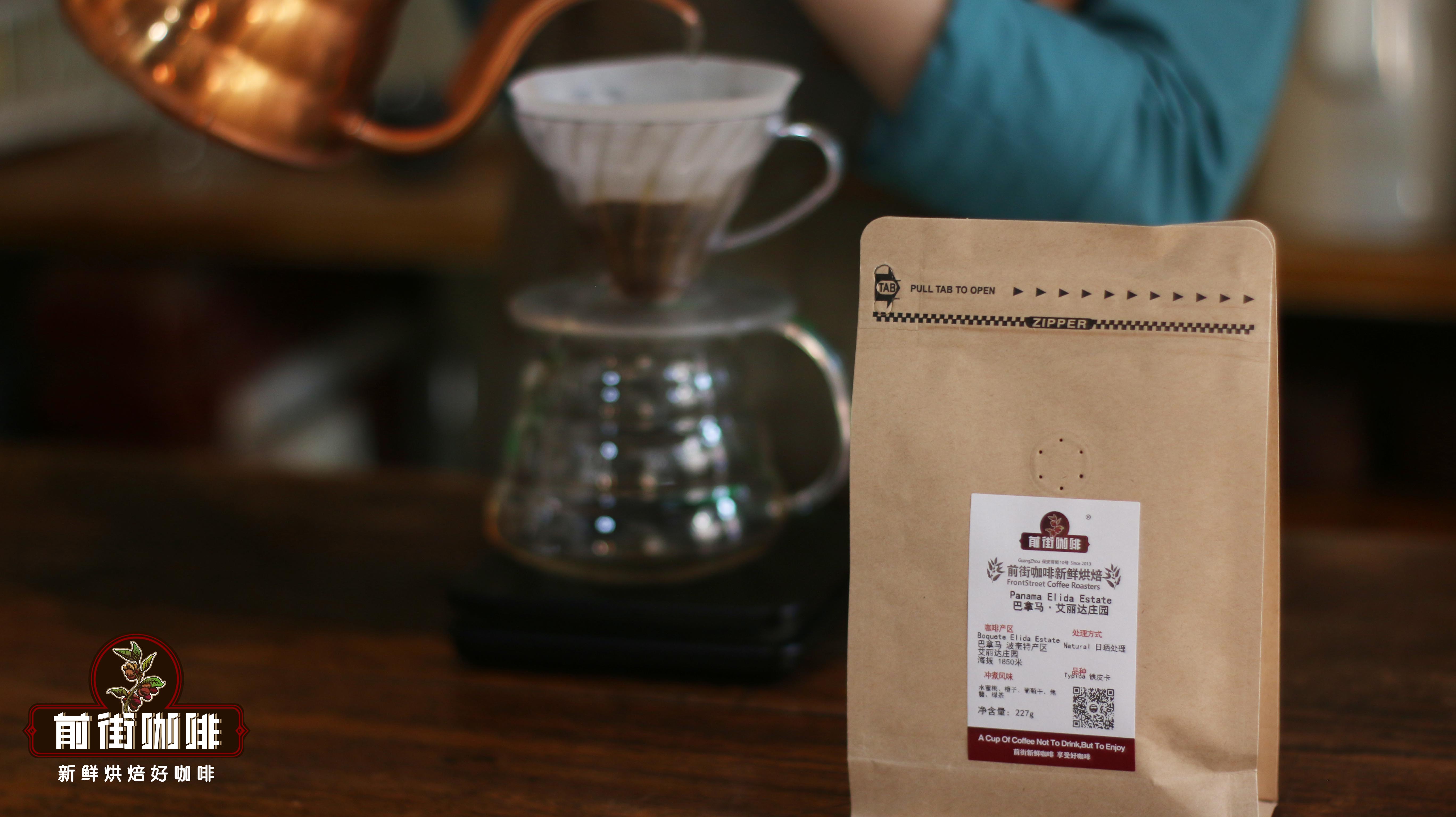
The washed processing procedure can be roughly divided into: selecting ripe coffee cherries → removing the outer skin and part of the pulp → fermenting with mucilage for about 24 hours → washing off residual mucilage with clean water → drying to approximately 12% moisture content → removing the parchment. This method not only ensures high stability, but also makes the coffee’s acidity brighter and the mouthfeel crisper, particularly well-suited to showcasing Geisha’s delicate citrus, lemon, and white floral notes. Roasted Geisha often carries soft green tea aromas, honey sweetness, and a tea-like aftertaste, with an overall flavor profile that is clear and layered.
To fully express the refined flavors of Geisha, the parameters of the pour over process are crucial. This brand recommends using a medium-light roasted Boquete washed Geisha, paired with a V60 filter cone, extracted at a 1:16 coffee-to-water ratio. Specifically, one can use 15 grams of coffee grounds and pour 240 grams of water, controlling the water temperature at 91–92°C, with a grind size roughly the size of fine sugar (about 80% passing through a #20 sieve). This combination balances acidity and sweetness, avoiding over-extraction or under-extraction.During the actual pour over, it is recommended to use a three-stage pouring method: first, use a small stream of water to pour 30 grams in the center for a 30-second bloom; next, use a slightly larger stream to pour 120 grams, lifting the coffee bed and promoting even extraction; finally, use a fine stream to pour 90 grams in small circles, aiming for a total dripping time of about 2 minutes and 10 seconds. This method effectively highlights Geisha’s citrus and bergamot acidity, as well as the honey and green tea sweetness in the aftertaste, ensuring each sip is full of bright layers and lingering finish.
The above content is compiled by CoffeeHunters, a coffee news website.


