







Introduction:This article delves into the origins and challenges of Catimor, Yunnan's predominant coffee variety, while spotlighting a coffee brand cultivating Typica at an altitude of 1300 meters in Lincang. From seedling to commercial production spanning eight years, we explore its sun-dried processing details, medium roast strategy, and offer practical V60 pour-over parameters alongside a clear flavor profile—bringing you the unique charm of Yunnan’s specialty small-bean coffee.
As December arrives each year, Yunnan’s coffee harvest peaks, though higher-altitude regions often wait longer due to cooler temperatures. In a semi-pristine forest area near Lincang, close to Myanmar, a coffee brand owns a plantation at around 1300 meters elevation, exclusively growing Typica. From seedling cultivation to stable initial production, this estate took eight years. This article details the background and challenges of Catimor, Yunnan’s representative small-bean variety, compares the brand’s sun-dried Typica processing logic and roast approach, and provides V60 brewing recommendations with actual flavor notes—offering a comprehensive look at Yunnan specialty coffee’s current state and potential.
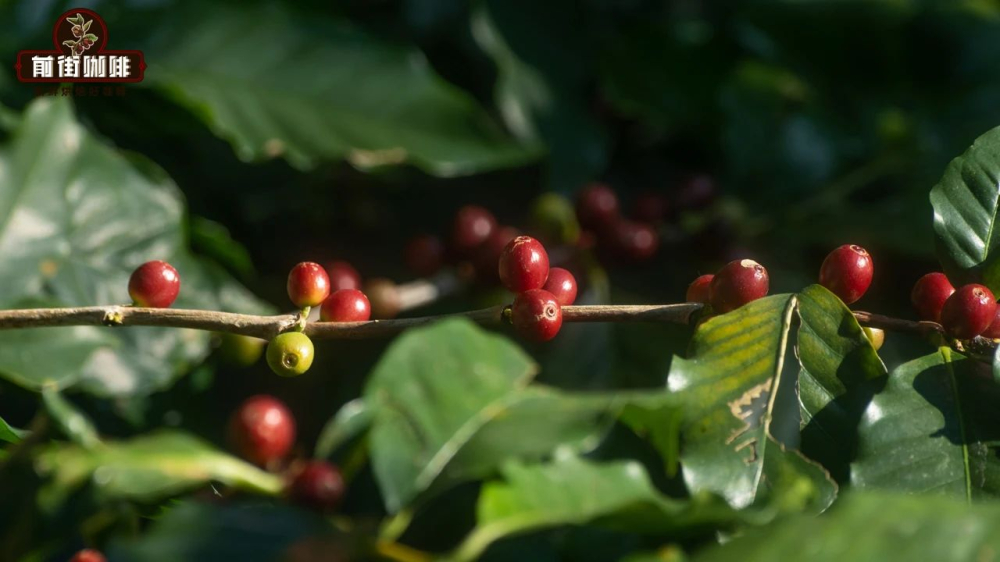
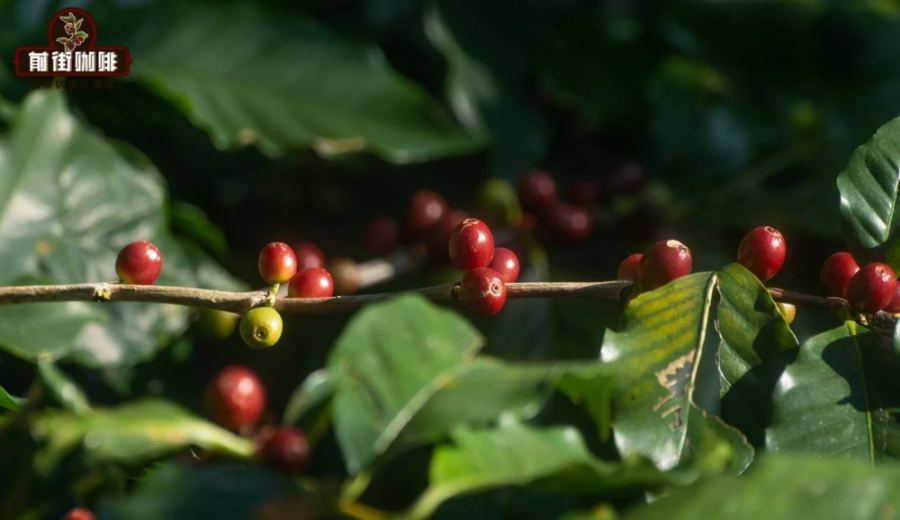
By mid-December each year, lower-altitude areas see coffee cherries gradually turning red, while higher elevations, due to cooler temps, start harvesting slightly later. The brand’s Lincang estate, at roughly 1300 meters, typically begins harvesting only in mid-December. In fact, by November, many customers inquire if the brand’s self-grown Yunnan beans are ready for harvest, to which the baristas can only laugh and reply: “Still hanging on the trees!”
Looking back at the brand’s coffee-growing journey in Yunnan, it’s been full of challenges. Many set up coffee plantations in Yunnan without difficulty, but few are truly committed to cultivating high-quality Arabica. Local farmers often resist planting coffee due to the high cost of harvesting ripe fruit—sometimes exceeding the selling price—and unless they have ample labor, they let the cherries rot unpicked. Thus, some so-called “specialty Yunnan coffee” on the market merely involves short-term land leases from farmers before harvest, with basic sun-drying or honey processing done in just two or three months. While the brand can’t judge the appropriateness of such practices, as a former Yunnan coffee factory manager put it: “The current state of Yunnan’s million-mu Catimor plantations is key to the region’s urgent need for transformation and improvement.” Controversies exist, but they shouldn’t overshadow all the efforts. The brand chose the hardest path: selecting high-altitude zones, persisting with traditional Arabica varieties like Typica, and starting from scratch to nurture coffee seedlings.
This year marks the brand’s 12th in the coffee industry, but many may not know that its coffee-growing journey actually began six months before roasting. The brand’s predecessor was called “Dazhen Coffee,” initially envisioning coffee cultivation in a Guangdong area named Dazhen. Using Catimor seedlings, when the young plants reached about 20 cm tall, after half a year of observation, they gradually grasped the subtle relationships and sequences among variety, altitude, and processing methods.
The brand ultimately realized: to showcase a coffee’s regional character and unique flavors, the only path is “first choose the right variety, then plant it at the right altitude, and finally bring out its potential through suitable processing.” For this reason, the brand abandoned the Guangdong planting plan, renamed itself “Front Street Coffee (FrontStreet Coffee),” symbolizing a coffee dream originating from Guangdong’s Bao’an. While continuing to roast, the brand also explored the art of growing specialty coffee, visiting the Tropical Agricultural Science Research Institute (热科所) and a few local farmers dedicated to specialty coffee, gradually clarifying why Yunnan had long been dominated by Catimor—and finally, by chance, finding land suitable for Arabica varieties.
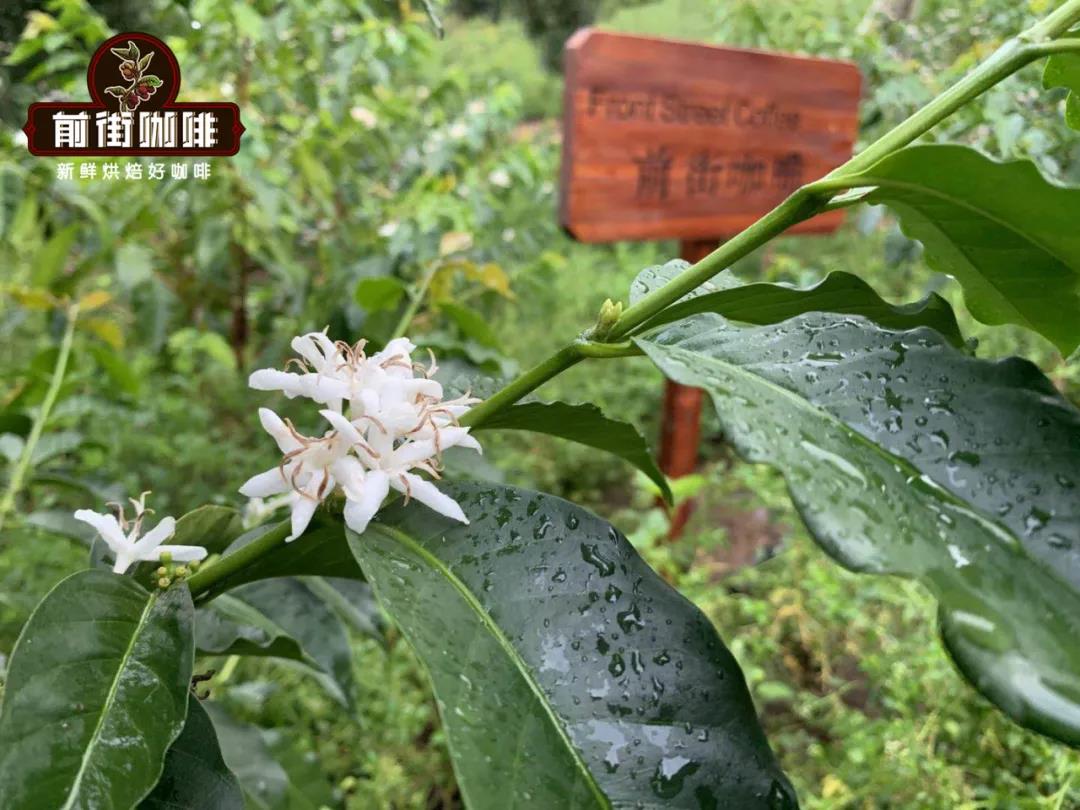
Arabica has clear altitude requirements, generally needing to be above 1000 meters, and for richer, more layered flavors, even higher. However, most mountainous areas in Yunnan barely meet this standard, becoming one of the key factors limiting the region’s coffee flavors. To improve quality under limited altitude conditions, besides choosing the right variety, meticulous agronomic management is essential.
The brand didn’t opt for an existing plantation but purchased a mountainous area originally suited for coffee, reclaiming the land. Knowing that even with ideal land, the wrong variety couldn’t yield desired flavors, they decided to start from zero. Their choice was Typica—an historic and flavor-excellent Arabica variety. Yet, Typica yields only one-third of Catimor’s, commands higher prices, and like Bourbon, is highly susceptible to rust disease—key reasons many farmers avoid traditional Arabica varieties.
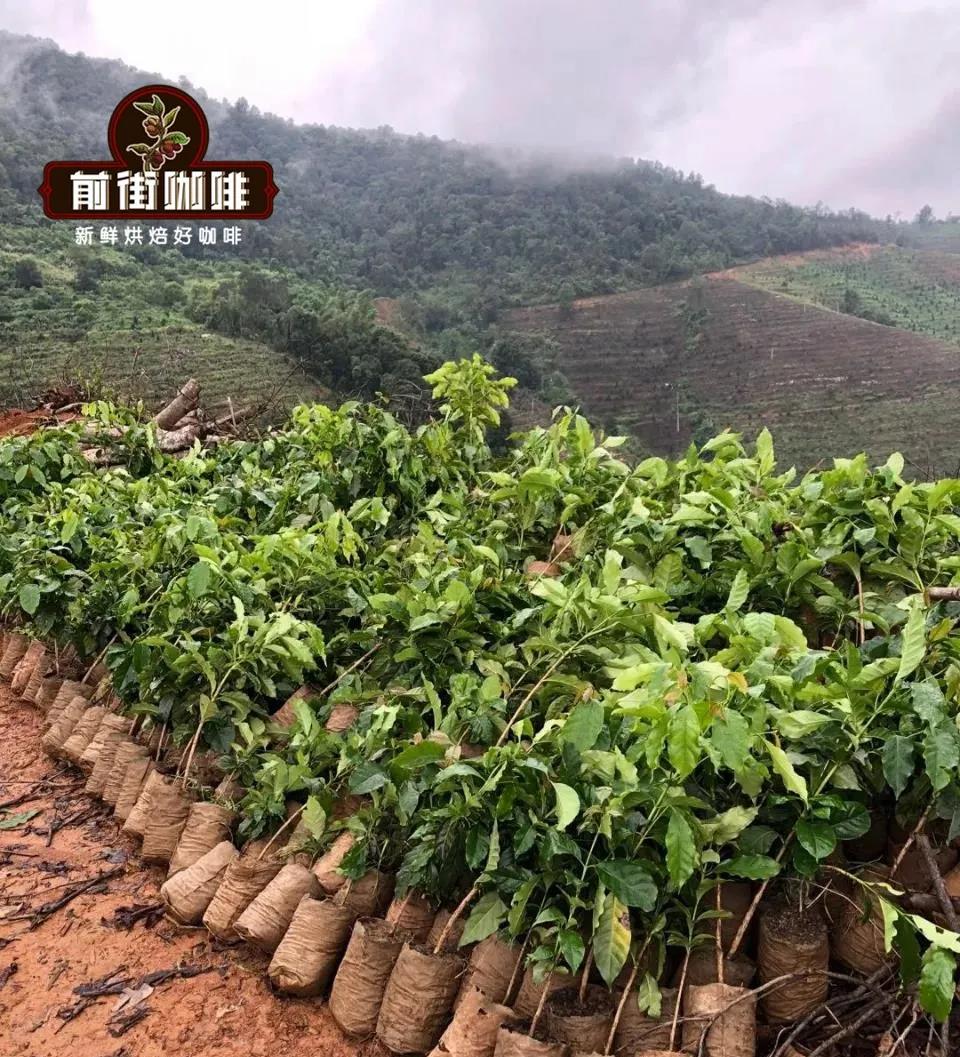
Yunnan’s climate lacks distinct seasons, divided only into dry and rainy periods, similar to many coffee-growing regions, and a reason some areas prefer sun-drying. By June, the rainy season arrives, lasting three to four months of continuous rain—a prime time for coffee planting. Only during the rainy season can seedlings develop robust root systems in ample rainfall, helping them survive the following half-year of drought.
Starting coffee cultivation from scratch demands immense time costs. Coffee seedlings typically take three to four years to bear fruit for the first time, followed by multiple processing trials to stabilize ideal flavors—the earliest possible harvest of commercially viable coffee is five years. The brand knew no one could guarantee top-tier specialty coffee on the first try, so after years of variety selection, fruit processing trials, and constant adjustments, it was only in the eighth year that their Yunnan-grown Typica finally reached stable commercial production.
Though the brand grows Typica in Yunnan, it’s undeniable that most Yunnan coffee production still centers on Catimor—the so-called “Yunnan small-bean coffee.” Born in 1959, Catimor resulted from Portuguese breeders introducing Brazil’s Bourbon mutation Caturra to East Timor, then crossing it with Timor (a Robusta-descended hybrid). This variety combines strong disease resistance and high yields. Amid global leaf rust epidemics, Catimor became the preferred choice for many producing countries and gained strong international support.
Yunnan’s coffee-growing regions are mainly in Lincang, Baoshan, Simao, Xishuangbanna, and Dehong. Among them, Baoshan, with elevations mostly above 1200 meters, average temperatures around 21.5°C (peaking at 40.4°C), and nearly frost-free year-round, is considered Yunnan’s premier small-bean coffee zone. Its beans are rich yet non-bitter, with clear, non-harsh aromas, small and uniform in size, and distinctly fruity notes.
For Arabica, 1200 meters is often a flavor-quality watershed. North of Baoshan, the Gaoligong Mountains block Siberian cold fronts. During the June-to-August rainy season, weather is unpredictable—sudden sunshine or brief downpours—coupled with mountainous terrain and abundant fog, creating a unique microclimate that aids coffee growth and enhances final flavor profiles.
The brand’s sun-drying process is meticulous. Unlike some areas’ rough harvesting, they insist on hand-picking only fully red cherries, ensuring each reaches optimal ripeness. After harvest, cherries are evenly spread on drying racks, typically 2–3 layers thick, ensuring good ventilation to avoid off-flavors from over-fermentation. Through prolonged natural sun exposure, cherries gradually turn from red to purplish-red. This method gives the brand’s sun-dried Typica a fuller body, with bright notes of citrus and berries, a hint of fermentative winey aroma, and a soft caramel sweetness.

For roasting, the brand selects a medium roast based on the region’s characteristics, to fully highlight the coffee’s inherent sweetness and layers. Recommended brewing is with a Hario V60 filter, using 15g coffee, 90°C water, medium-fine grind (about 80% through a Chinese standard #20 sieve), and a 1:15 coffee-to-water ratio. Steps: first pour 30g water for a 30-second bloom, then pour in small streams centered up to 125g, pause until the water level drops near the bed, then pour to 225g before removing the filter. Total brew time should be around 2 minutes.
The V60’s rib design—curved and varying in length from top to bottom—facilitates smooth gas release and stable flow rate, enhancing flavor complexity. The brand’s in-house “2013” Yunnan Typica beans perform excellently under these parameters: dry aroma offers hints of caramel and nuts, the cup features chocolate as the main note, complemented by brown sugar sweetness and mild acidity, with a lingering finish reminiscent of black tea’s soft mouthfeel. The overall flavor is rich, layered, and well-balanced.
The above content is compiled by CoffeeHunters, a coffee news website.


