







Introduction:Panama Geisha coffee is world-renowned for its unique floral and fruity aromas, as well as its delicate acidity and sweetness. Among them, Hacienda La Esmeralda stands out as the finest. This article delves into the altitude characteristics and microclimates of Panama’s four core coffee-growing regions, offering insights into the plot classification and Geisha variety evaluation system at Hacienda La Esmeralda. It also details the differences between Red and Green Label Geishas, their processing methods, and the brewing techniques best suited to them. Additionally, practical three-stage pour over parameters are provided to help you extract the nuanced layers of Geisha more precisely.
Panama is a key producer of specialty coffee in Central America. Its exceptional geographical environment and meticulous estate management have given rise to the globally celebrated Geisha variety. Among them, the Geisha produced by Hacienda La Esmeralda is the most prestigious, with its rigorous grading system and regional subdivisions ensuring that every batch of beans can be traced back to its origin and flavor profile.
Located in Central America and connecting North and South America, Panama is not only home to the Panama Canal but has also, due to its historical background, attracted numerous international investors. Many renowned coffee estates, such as Hacienda La Esmeralda and Hacienda Hartmann, are managed by founders with professional backgrounds who have introduced refined management practices, allocating varieties by altitude, harvesting by hand, and applying multiple processing methods—laying the foundation for the high quality of Panamanian coffee.
The country is mainly divided into four major coffee-growing regions: Boquete, Volcán, Santa Clara, and Candelaria. Among them, Boquete, with an altitude of about 1450 meters, is Panama’s primary and highest-yielding production area, and also the home of Hacienda La Esmeralda. Volcán, at a higher altitude of around 2000 meters, produces coffee with a gentler and more balanced flavor. Santa Clara is conveniently located near the canal, while Candelaria, at approximately 1200 meters, is an emerging potential region that has gained attention in recent years.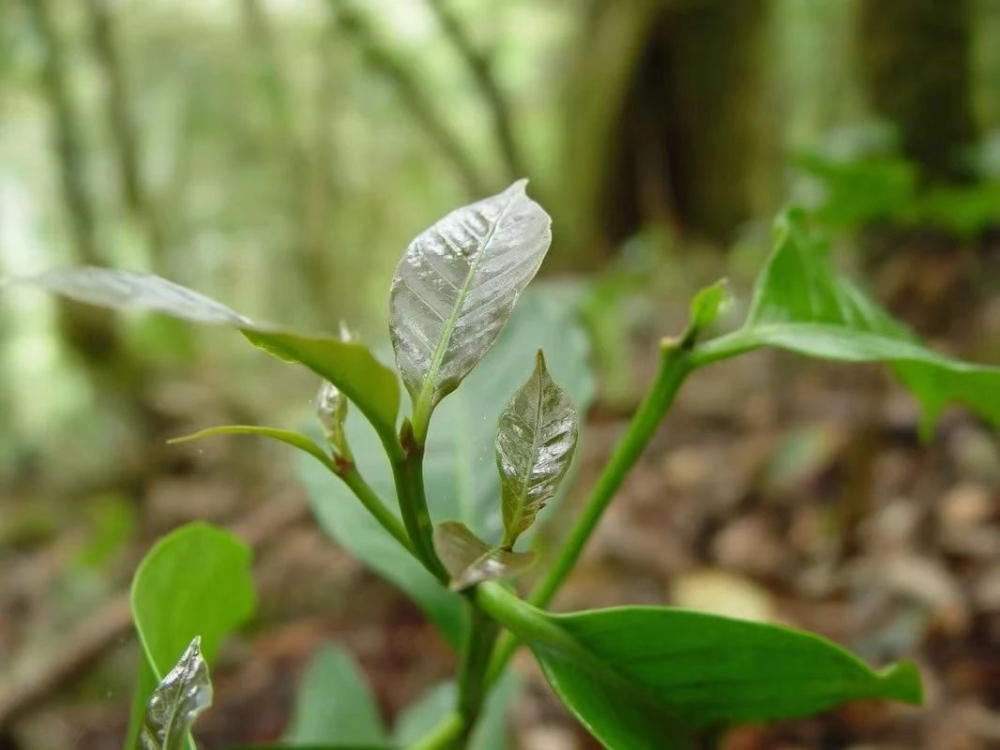
Hacienda La Esmeralda is situated in Boquete. It was purchased in 1964 by American banker Rudolph Peterson, who initially used it for dairy farming. It wasn’t until 1987 that his son, Price, abandoned his medical career to take over the farm. He introduced the Caturra and Catuaí varieties and established a washed processing facility in 1994. In 1996, after merging with Jaramillo Estate, they unexpectedly discovered that certain plots produced coffee with a uniquely exceptional flavor. This eventually led to a championship win at the BOP competition in 2004, confirming the variety as the traditional Ethiopian Geisha, thus propelling the farm to fame.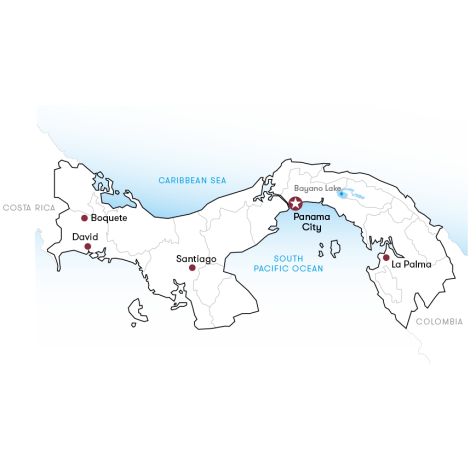
Hacienda La Esmeralda is subdivided into three core plots based on altitude: Jaramillo, Canas Verdes, and El Velo. Jaramillo sits at 1600–1700 meters above sea level, with an average annual temperature of 19–25°C and abundant rainfall of about 4000 mm. Canas Verdes ranges from 1600–1800 meters in altitude, with a similar climate but slightly lower elevation. The newly developed El Velo plot reaches even higher, at 1700–1900 meters, and grows rare varieties such as SL-28 (often translated as “slim-bodied Bourbon”) and Pacamara, in addition to Geisha, showing great future potential.
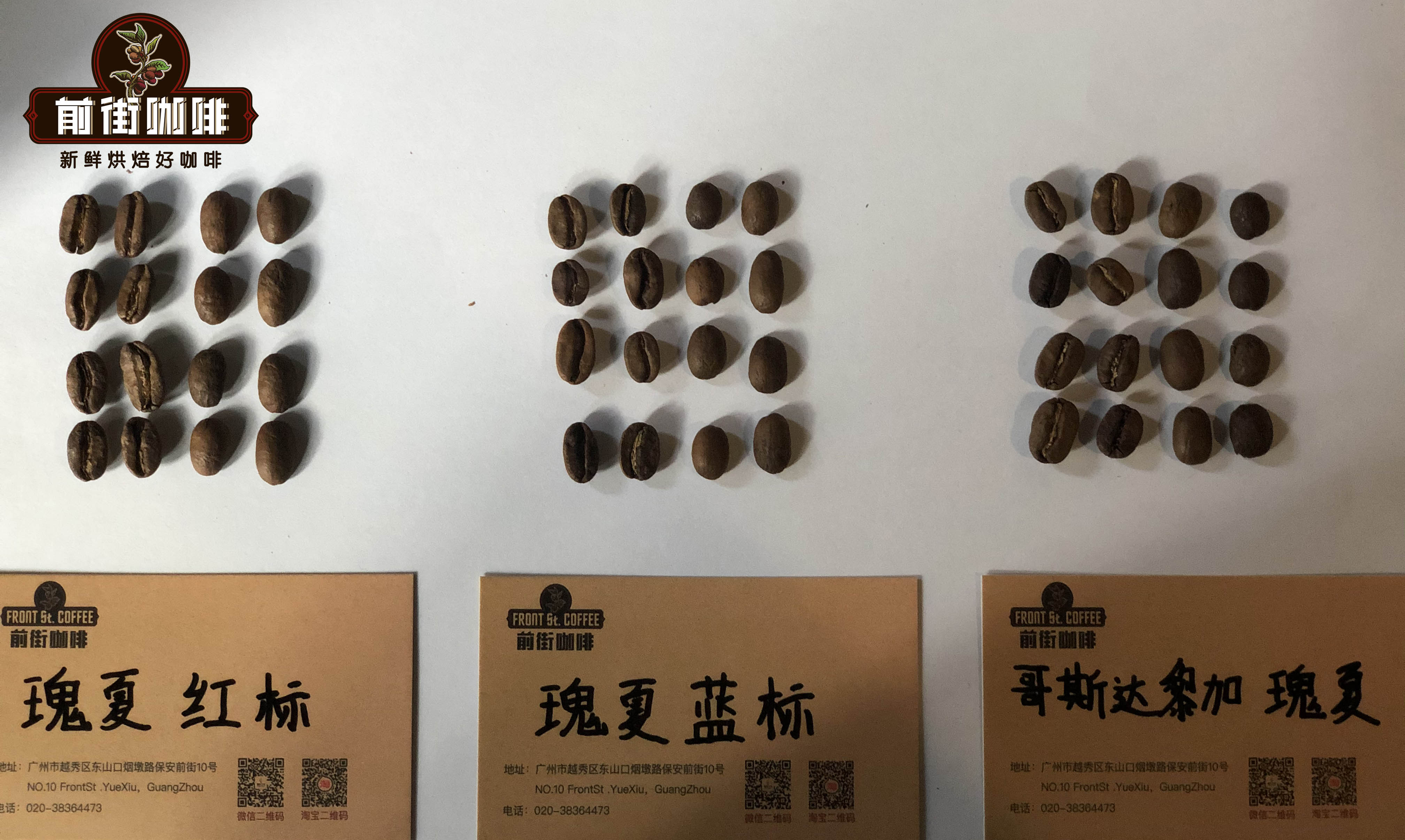
Based on cupping results and plot conditions, Hacienda La Esmeralda categorizes its Geisha into three brand tiers: the top-tier "Esmeralda Special," the mid-tier "Private Collection," and the entry-level "Geisha 1500." Additionally, the Catuaí variety falls under the brands "Diamond Mountain" and "Pamela." Among these, Esmeralda Special is the widely known Red Label Geisha, while Private Collection corresponds to the Green Label Geisha.
Red Label Geisha comes from Jaramillo and Canas Verdes, grown at altitudes of 1600–1800 meters. It must pass strict cupping evaluations with scores of 90 or above and is limited to batches that participate in the estate’s exclusive auctions. However, non-auction Red Labels are also available on the market. Though not part of the auction, they still come from the same high-quality plots, with similar flavors—the main difference being price. Red Label Geishas are mostly processed using natural or washed methods, showcasing intense floral notes, citrus tones, and bright acidity.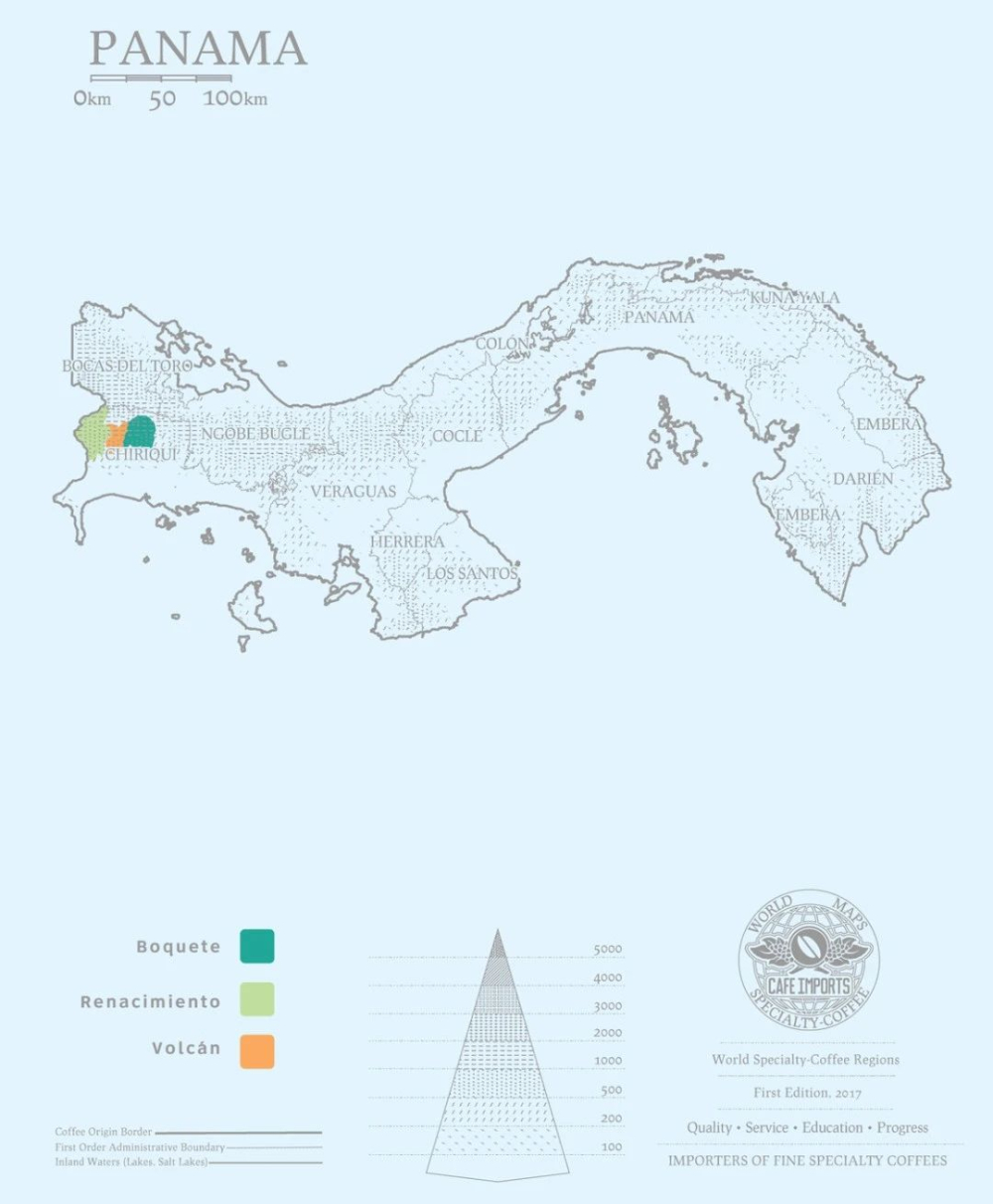
Green Label Geisha belongs to non-auction batches, featuring a blend of Geisha beans from multiple micro-plots, also at 1600–1800 meters in altitude. While specific producing areas aren’t labeled, its flavor profile remains distinctly recognizable. It retains classic Geisha traits such as floral and fruity aromas, citrus acidity, and a rich mouthfeel. Processing methods include both washed and natural options, offering consumers a diverse selection.
For brewing recommendations, professional coffee shops generally suggest a water temperature of 90°C, a coffee-to-water ratio of 1:15 to 1:16, using about 15 grams of coffee grounds with a grind size roughly similar to fine sugar (80% passing through a Chinese No. 20 sieve). Lighter roasts release their flavors more slowly, so slightly increasing the water temperature and adjusting the grind size can help better express the flavors. In addition, a three-stage extraction method is recommended: start with 30 grams of water for a 30-second bloom, then pour up to 125 grams for the first pour. Once the water level drops, pour up to 225 grams, and finally remove the filter just before the coffee bed is fully drained. The total extraction time should be controlled between 2 minutes 00 seconds and 2 minutes 05 seconds.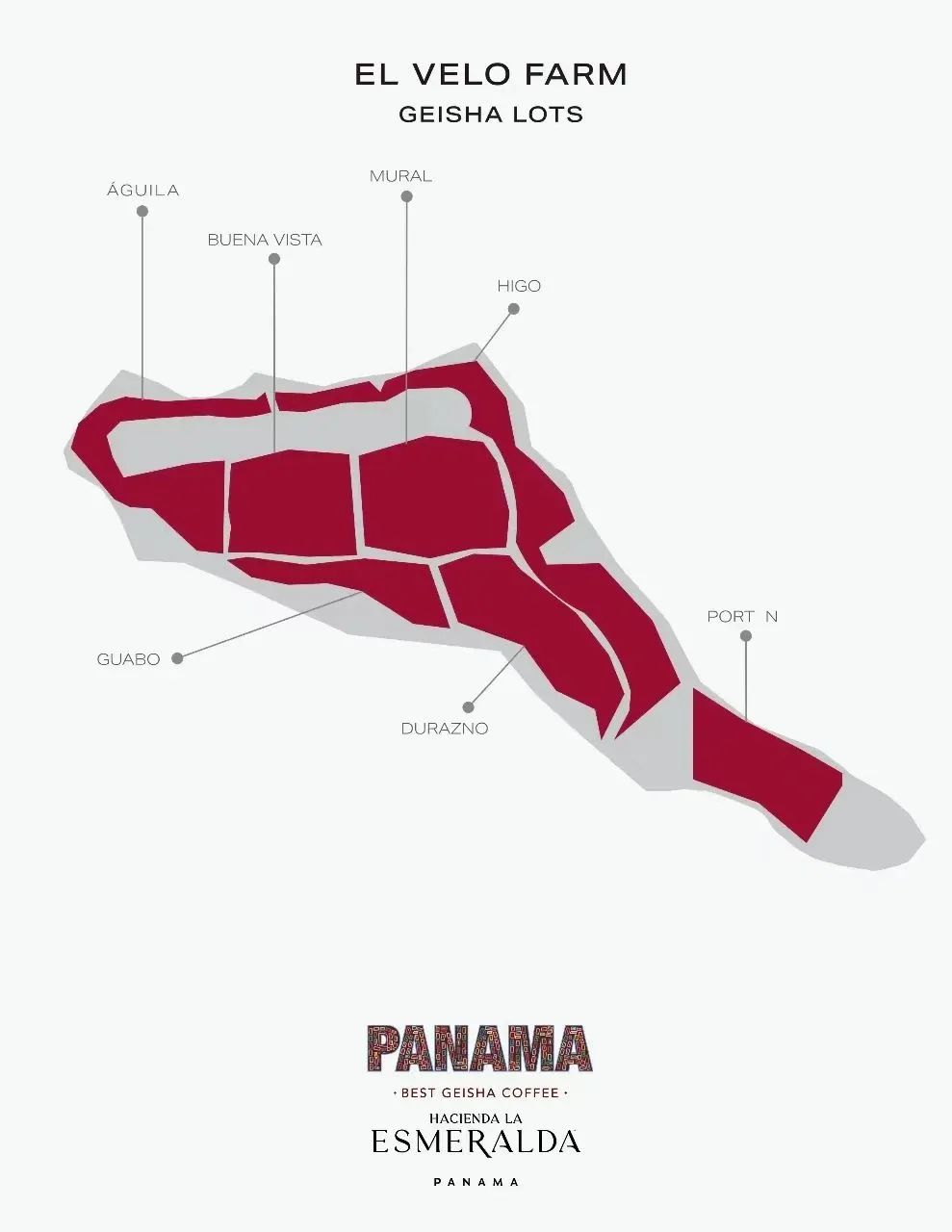
Brewed Red Label Geisha exhibits bright rose and citrus aromas, accompanied by complex flavors of berries, apricots, honey, and roasted rice. The mouthfeel is juicy and layered. Green Label Geisha, on the other hand, highlights jasmine floral notes as its main characteristic, with a pronounced sweetness that blends citrus, berries, cream, orange peel, and cantaloupe flavors, leaving a long-lasting and delicately layered aftertaste.
The above content is compiled by CoffeeHunters, a coffee news website.


