








Introduction:Arabica coffee beans are hailed as the nobility of the coffee world, and Typica and Bourbon are two of the most historic and representative varieties among them. This article delves into the origins, plant characteristics, suitable altitudes, and cupping flavors of these two classic lineages, while also expanding to introduce other well-known Arabica varieties such as Caturra, Catuai, Pacas, and Geisha. It helps readers comprehensively grasp the essence of specialty coffee beans—from genetics and cultivation to flavor.
Arabica (Arabica) coffee beans, with their delicate flavors and elegant acidity, have long held a dominant position in the specialty coffee market. As the oldest and most widely cultivated coffee variety, Arabica is not only a symbol of high quality in the minds of most consumers, but its many derivative sub-varieties—such as Typica, Bourbon, Caturra, and Geisha—have also given rise to distinctive coffee cultures and tasting experiences around the world.
These varieties mostly originated from the Ethiopian highlands in Africa, and later spread to the Middle East, the Americas, and Asia due to trade and colonial history. Especially after the 17th century, through the port of Mocha in Yemen, Typica and Bourbon were able to disperse globally, laying the foundation for modern coffee cultivation. Both are direct descendants of the original Arabica lineages, not only closely related genetically, but also each with identifiable characteristics in cupping performance and cultivation traits.

Typica: The Representative of Elegance and Quality
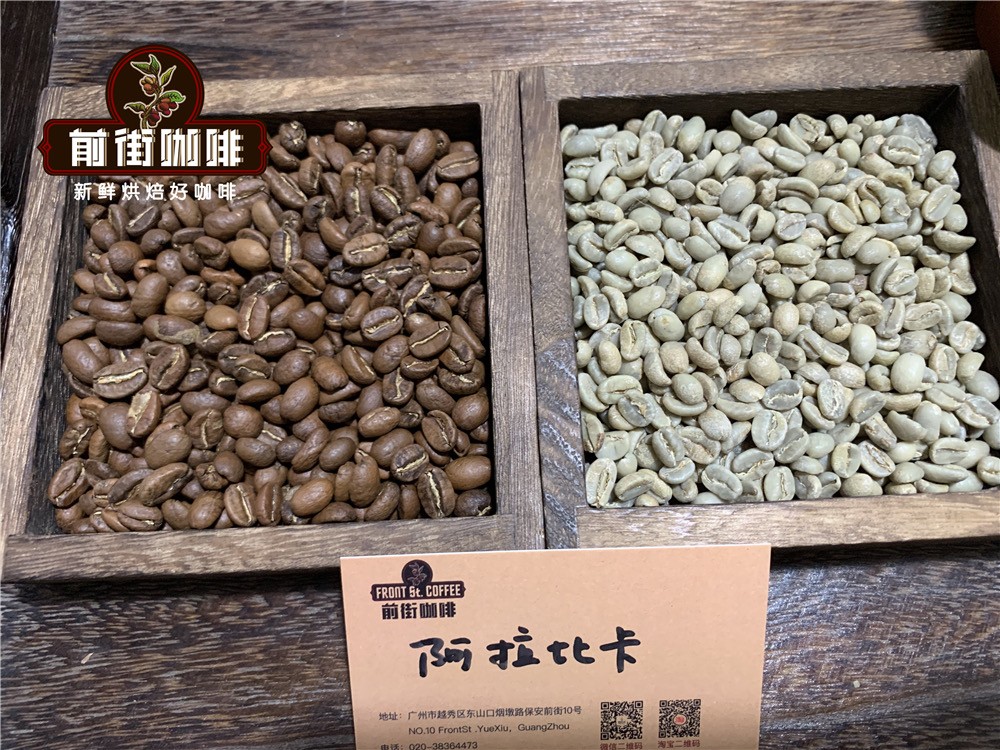
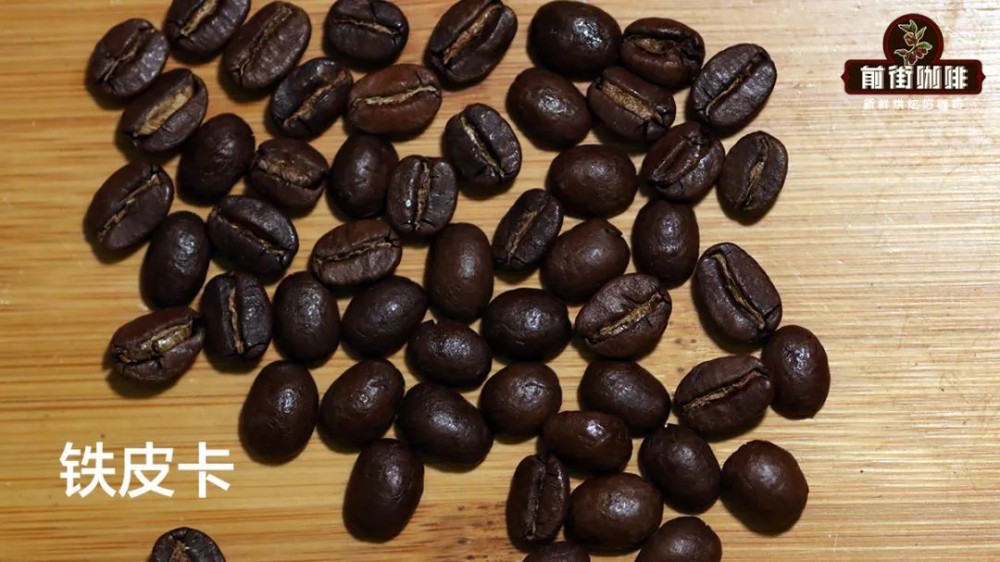
Typica is regarded as the ancestor of all Arabica varieties, with its origin traceable to the primeval forests of Ethiopia. This variety features slender bean shapes, with a classic S-shaped center cut that is highly recognizable in appearance. Typica plants generally have an upright, conical shape, can grow up to 5 meters tall, have relatively sparse branching, long and narrow leaves, and young shoots with a distinctive bronze color. Their green beans are usually bright red, and in terms of flavor, they exhibit gentle acidity, delicate sweetness, and good balance, often scoring exceptionally well in cupping evaluations.
However, the drawbacks of Typica are equally evident, including lower disease resistance, limited yield, and greater sensitivity to environmental changes. Even so, its elegant flavor makes it still the planting choice of many top-tier estates to this day. Well-known producing regions such as Jamaica Blue Mountain, Sumatra Mandheling, and Hawaii Kona all primarily cultivate Typica or its descendant lineages.
Bourbon: The Classic Sweet and Round Mutation
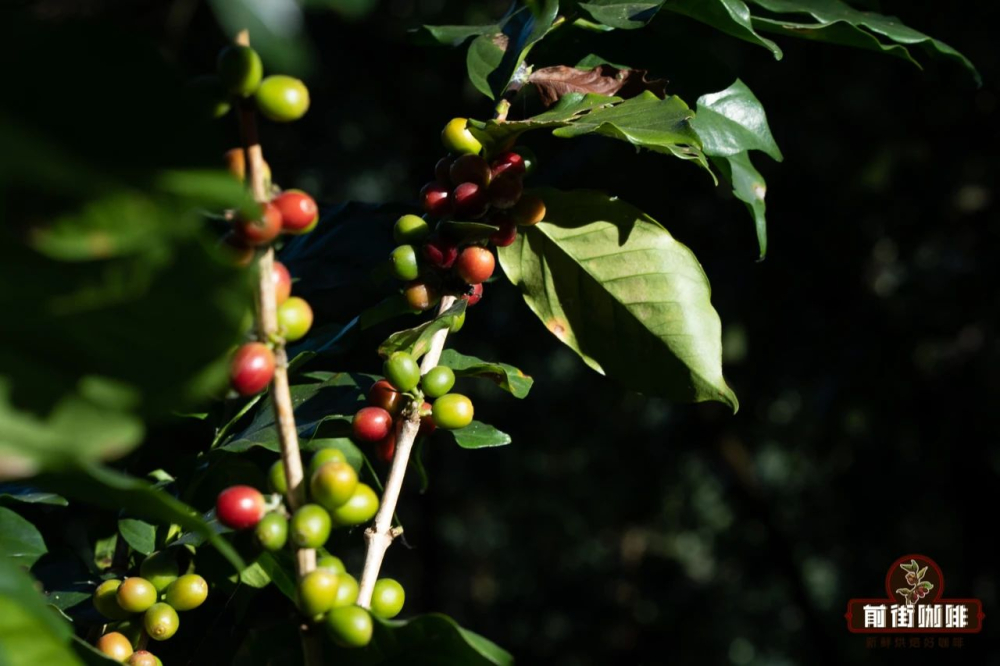
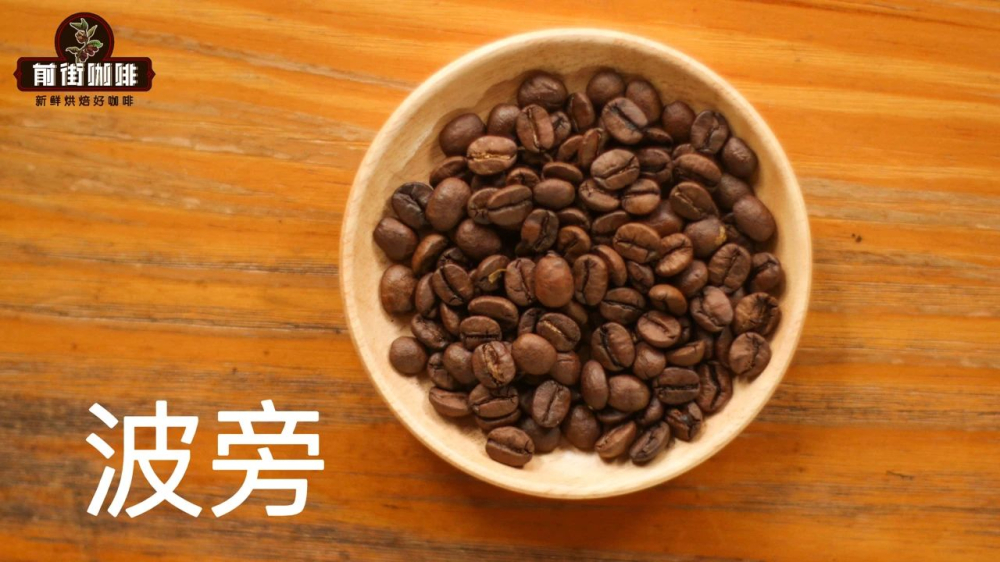
The birth of the Bourbon variety is closely linked to the introduction of coffee from Yemen to the east coast of Africa—Bourbon Island (now Réunion Island)—in the early 18th century. Compared to Typica, Bourbon coffee beans have a rounder and fuller shape, the plants grow more densely with more secondary branches, resulting in a denser overall canopy and about 30% higher yield per plant. Its leaves are broader, with distinct wavy edges, young leaves are mostly green, though bronze-tipped young shoots can occasionally be seen, and mature coffee cherries may appear in diverse colors such as red, orange, or yellow.
In terms of flavor profile, Bourbon is known for its rich sweetness, bright acidity, and multi-layered fruitiness, making it especially appealing to coffee lovers who prefer a round mouthfeel. As a frequent presence in cuppings of specialty coffee in the Americas, Bourbon remains widely cultivated in many renowned producing regions across Central and South America, and serves as the base variety for many high-quality washed and natural processing methods.
Brief Overview of Other Important Varieties
In addition to Typica and Bourbon, the Arabica family includes numerous classic mutations and artificially hybridized lineages. For example:Caturra is a natural mutation of Bourbon, with shorter plants that are easier to harvest. Although it has weaker disease resistance, it offers slightly higher yields and is widely grown in Colombia, Costa Rica, and Nicaragua.Catuai is the result of a cross between Caturra and a New World variety, with bean shapes that are intermediate between oval and flat, and better adaptability and stability.
In El Salvador,Pacas is a high-yielding mutation of Bourbon and has been one of the main cultivated varieties there since the 1950s. Meanwhile, from Kenya, SL28 and SL34are notable for their adaptation to high-phosphorus soils, producing unique black plum acidity, citrus notes, and deep complexity, making them exemplars of washed specialty coffee.
As for the recently much-talked-about Geisha, it is famed for its slender bean shape, umbrella-like tree canopy, and outstanding floral and citrus aromas. Particularly in Panama, Geisha demonstrates extremely high cupping potential, often featuring complex notes such as jasmine, peach, and honey, and is a representative of auction-grade specialty coffee. It’s worth noting that the Geisha lineage native to Ethiopia, while sharing the same name, differs in bean shape and flavor characteristics from the Panamanian version, often derived from historical varieties rediscovered in local forests.
In addition, varieties such asVilla Sarchi are a dwarf mutation of Bourbon found in Costa Rica,Maragogype is a giant mutation of Typica, with beans that can be up to three times the size of regular Arabica beans, offering great appeal for collection and brewing.

The above content is compiled by CoffeeHunters, a coffee news website.


