







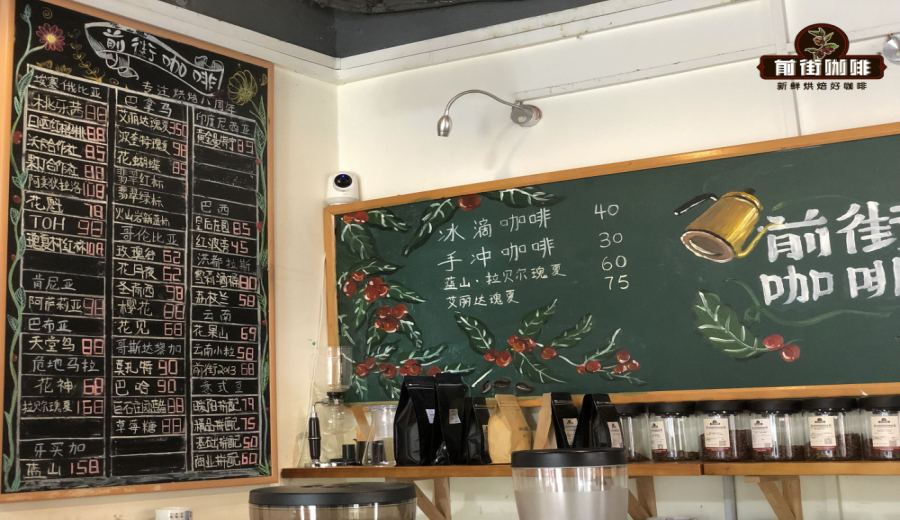
Introduction:Panama Geisha coffee, with its distinctive floral and fruity characteristics and high auction prices, has become a legendary variety in the specialty coffee world. This article delves into the history of the Geisha variety, its stringent growing conditions, and provides an in-depth look at the BOP competition grading system, while comparing the flavor differences between washed and natural processing methods. Practical brewing suggestions and reference prices are also offered to help coffee enthusiasts fully grasp the allure and selection tips of Geisha.
In the world of specialty coffee, Panama Geisha has consistently held an exceptionally high status, often topping coffee menus in price. This variety, originating from Ethiopia, traveled through Kenya, Tanzania, and Costa Rica before finding its home in Panama in the 1960s, where it rose to fame in the past two decades. Since 2004, Geisha has consistently outperformed numerous traditional varieties—including Bourbon, Caturra, and Typica—in the Best of Panama (BOP) cupping competition, showcasing its extraordinary potential.
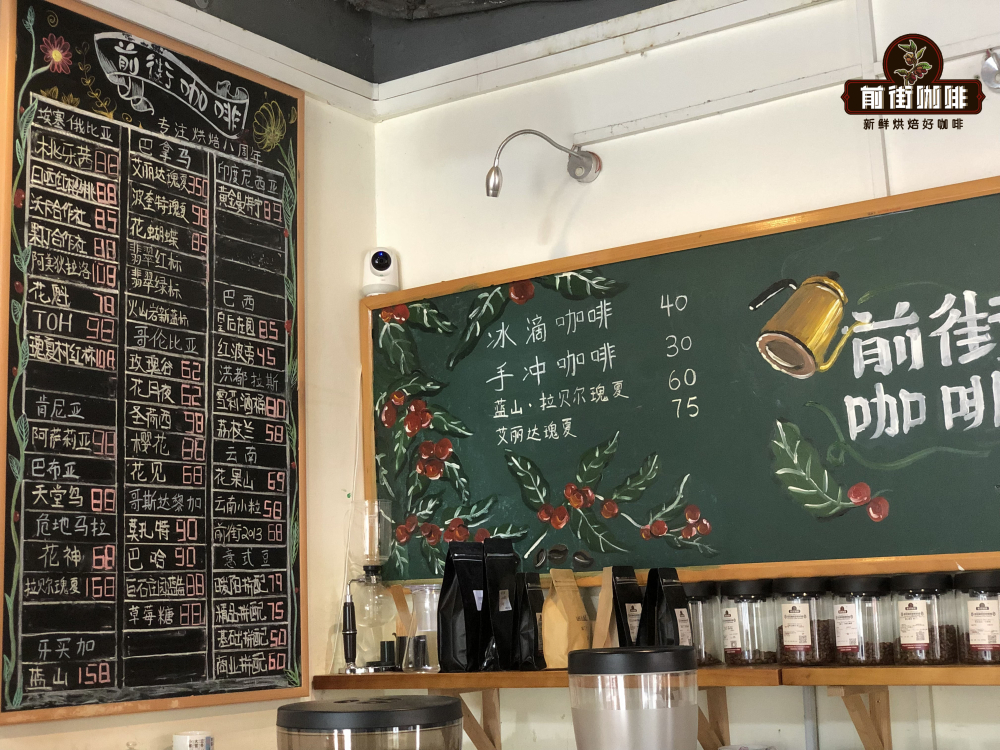
The reason Geisha is so expensive is not only due to its repeated record-breaking prices at competitions, but also because of its extremely demanding growing conditions. This variety requires very specific altitudes, soil types, and shading environments. The ideal growing altitude is typically over 1400 meters, and the high elevation extends the maturation period of the coffee cherries, which helps develop more complex and refined flavors. Additionally, Geisha has relatively thin leaves and a fragile root system, resulting in poor photosynthesis efficiency and slow nutrient absorption. Its yield is far lower than that of more common varieties—for example, it’s only about half that of Caturra—another key reason for its high price.
When discussing the rise of Panama Geisha, one cannot overlook the BOP competition. Established in 1996, this prestigious coffee bean evaluation event is one of the earliest competitions specifically for high-end specialty coffee, and is often regarded as a "coffee bean auction." Participating farms submit their finest coffee batches, which are then rigorously scored by professional cuppers before being bid on by international buyers. In the competition, Geisha often stands out with outstanding scores and is frequently grouped separately, further divided into washed and natural processing categories. For example, in 2022, the natural category was won by Guava Farm with a score of 95.96, while the washed category was claimed by Aurora Farm with an impressive 96.15, demonstrating the continued competitiveness of the Geisha variety.
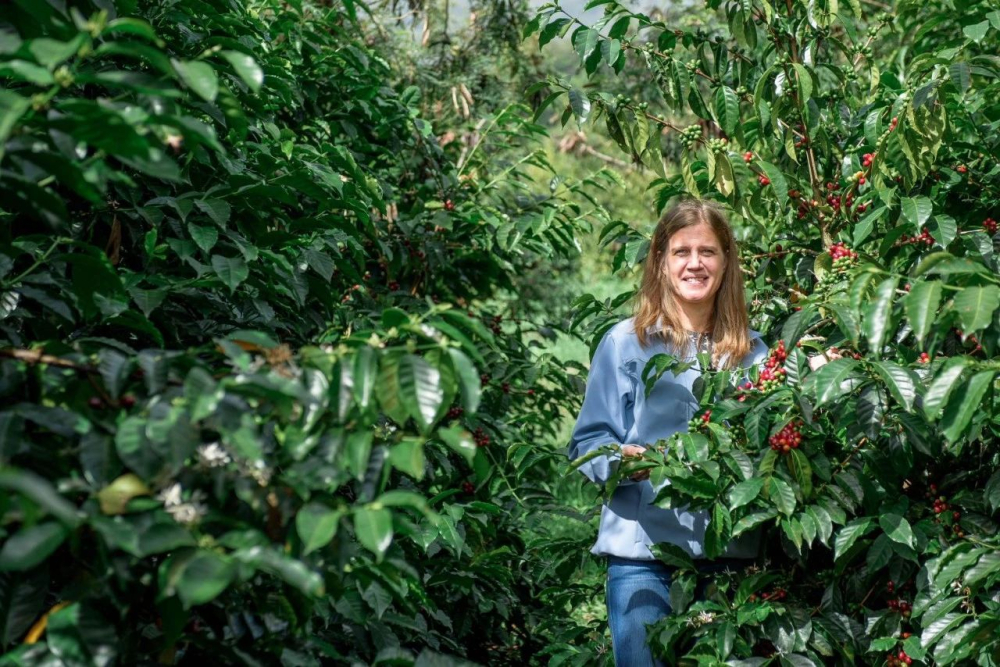
When talking about Geisha, one must mention Hacienda La Esmeralda. This renowned estate located in Panama’s Boquete region owns multiple Geisha-growing plots, including El Velo, Cañas Verdes, and Jaramillo. Among them, the Jaramillo farm—through cupping experiments by the third-generation owner Daniel—discovered that Geisha grown at altitudes above 1400 meters possesses unique floral and fruity notes. This discovery led the estate to implement block management based on altitude to precisely control the flavor profiles of the coffee.
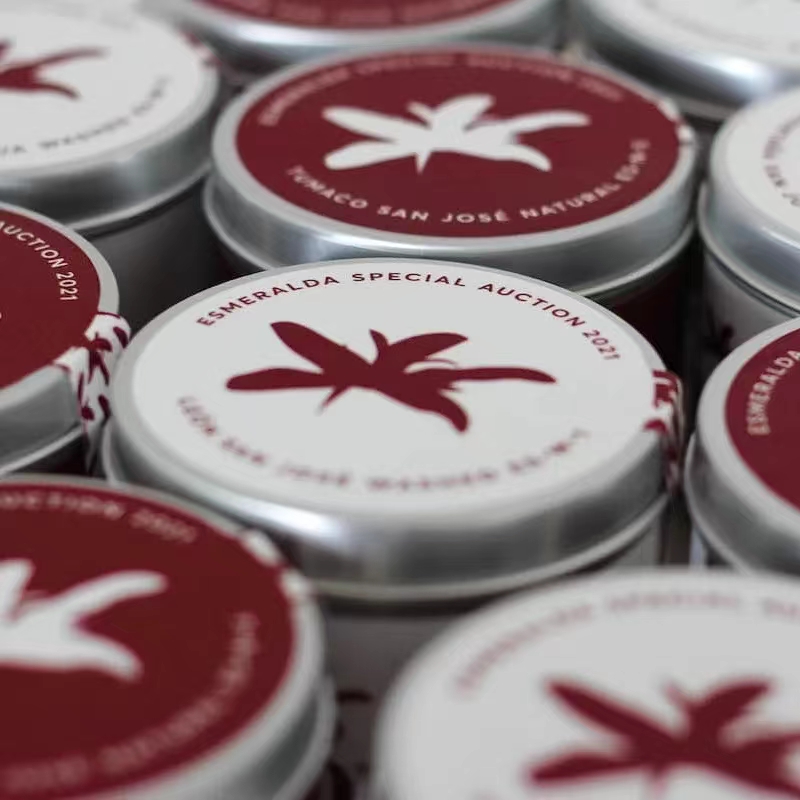
Hacienda La Esmeralda classifies its Geisha into multiple brand tiers, including Esmeralda Special and Private Collection. Among these, the Esmeralda Auction series, independent from the Red Label since 2022, has become the exclusive channel for top-tier Geisha. In terms of processing, the estate primarily uses washed and natural methods: the washed process emphasizes clean and bright acidity, achieved by removing the pulp and fermenting to remove mucilage, followed by careful drying to impart clear floral and citrus notes; the natural process dries the coffee cherries with the fruit and pulp intact, allowing them to absorb more fruity flavors, resulting in rich sweetness and layered fermentation characteristics.

In the market, the Red Label and Green Label from Hacienda La Esmeralda are the most representative of their Geisha offerings. The Red Label Geisha is usually naturally processed, grown at altitudes above 1700 meters, and boasts rich tropical fruit flavors such as lemon, honey, berries, and citrus—it’s a highly sought-after choice for many coffee enthusiasts. The Green Label is mostly washed and also comes from high-altitude areas, with flavors primarily of jasmine, citrus, melon, and berries, offering a refreshing and layered taste. Both are premium-priced in the specialty coffee market, but there are also more affordable alternatives, such as general Geisha lots from the Boquete region or the classic blend “Flor de Selva,” suitable for everyday drinking.
For coffee enthusiasts who enjoy pour over brewing, Geisha is a bean variety that can fully showcase brewing skills. It is recommended to use a medium-light roast to preserve its delicate floral and fruity notes. In practice, you can use a V60 dripper, with around 15 grams of coffee grounds, ground to a fineness similar to fine sugar (about 80% passing through a #20 sieve), a water-to-coffee ratio of 1:15, water temperature controlled at around 91°C, and brewed using a three-stage extraction method. These parameters help bring out Geisha’s bright floral aromas and clean acidity while avoiding over-extraction that could lead to bitterness. It’s important to note that Geisha is rich in aromatic compounds but susceptible to oxidation, so it’s recommended to use freshly roasted beans within five days of roasting for the best flavor expression.
In summary, Panama Geisha is not only a symbol of specialty coffee, but the cultivation challenges, competition culture, and diverse processing methods behind it add layers of storytelling and drinking value to this coffee. From the premium Red Label and Green Label to more accessible and budget-friendly alternatives, consumers can choose options that fit their budget and preferences. Whether you’re pursuing the ultimate flavor experience or trying it for the first time, understanding the various facets of Geisha will allow you to better appreciate this “diamond among coffees.”
The above content is compiled by CoffeeHunters, a coffee news website.


