







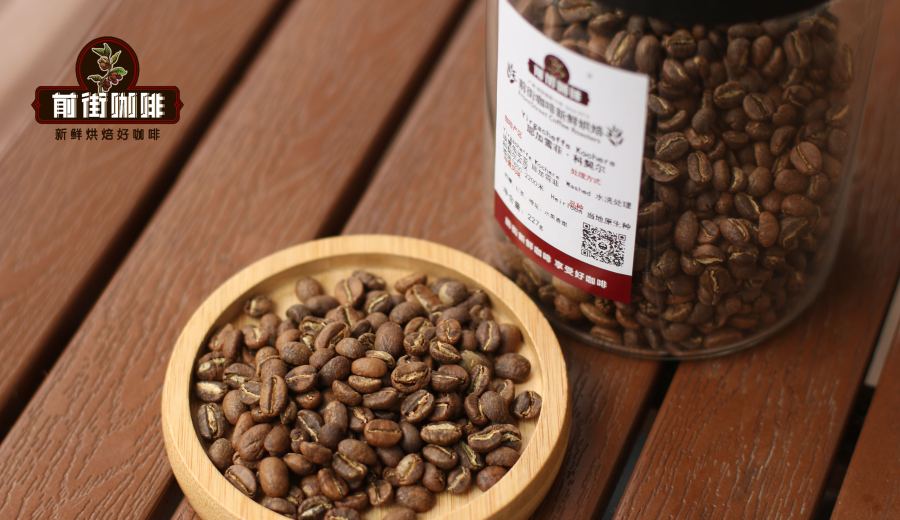
Introduction:The Yirgacheffe Kochere region is renowned for its refined washed processing and distinctive fruity aromas, making it one of the most sought-after hotspots among specialty coffee enthusiasts worldwide. This article delves into the geography of Kochere, the ECX grading system, characteristics of native coffee varieties, and the celebrated washed coffee flavor profile that has earned it global acclaim—helping you understand the story and nuances behind a high-quality Yirgacheffe-style cup from a regional perspective.
Yirgacheffe, a region hailed as a global mecca for specialty coffee, is beloved by many coffee fans for its bright citrus notes, elegant floral aromas, and delicate acidity—often considered the quintessential representation of "fruit-tea-like" flavors. Among Yirgacheffe’s many micro-regions, Kochere stands out with its exceptional washed processing and clear fruit-forward profile, consistently earning high international scores—including an outstanding 94 points from Coffee Review.
To understand what makes Kochere coffee unique, we must first look at the broader development of Yirgacheffe. Although Yirgacheffe is now known as an independent region, it was originally a sub-region under Ethiopia’s Sidamo zone, located in the northwestern part of the state. Prior to the mid-20th century, local coffee was primarily processed using traditional sun-drying methods, and the overall flavor profile had not yet developed the distinct character it’s known for today.
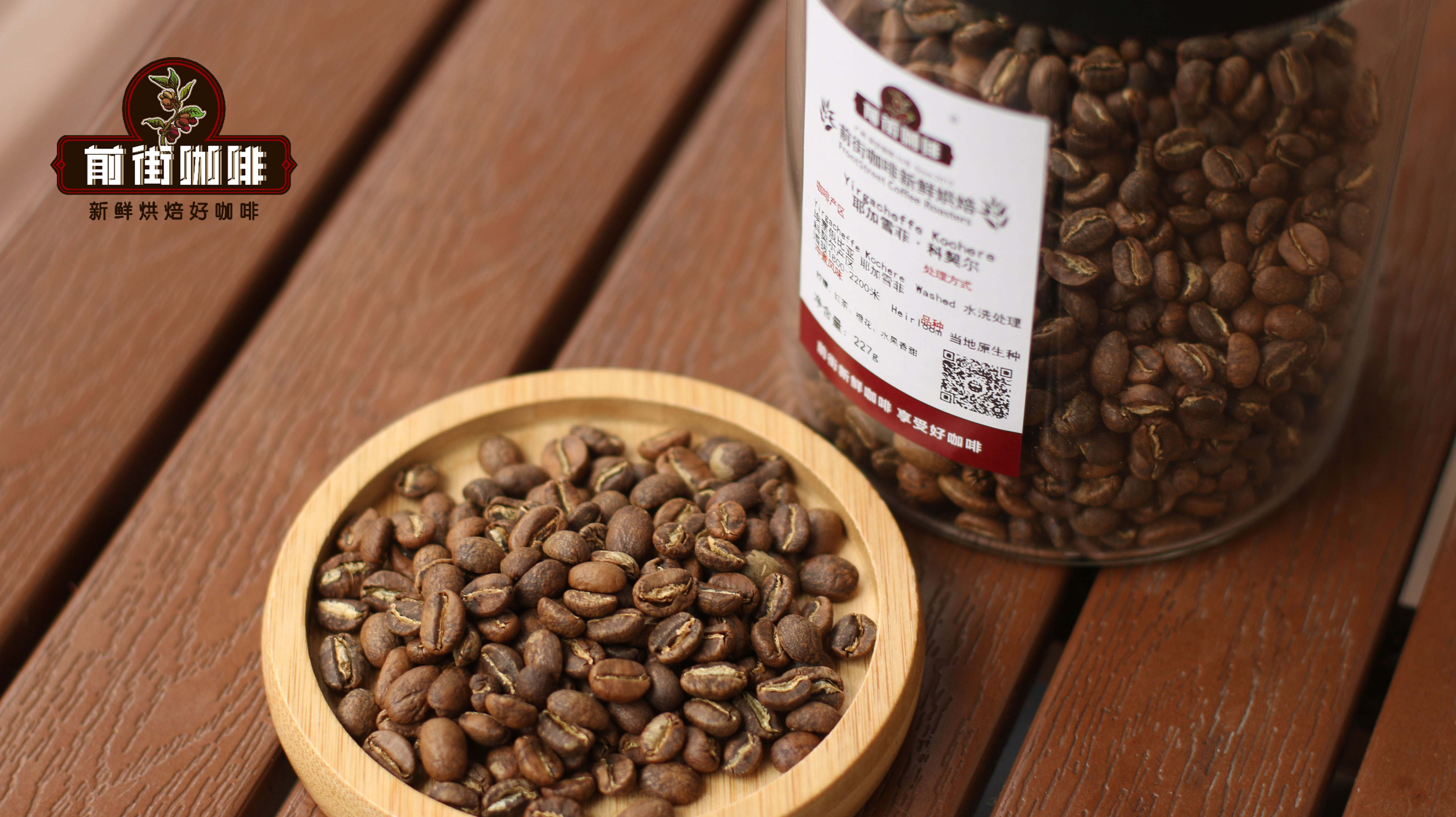
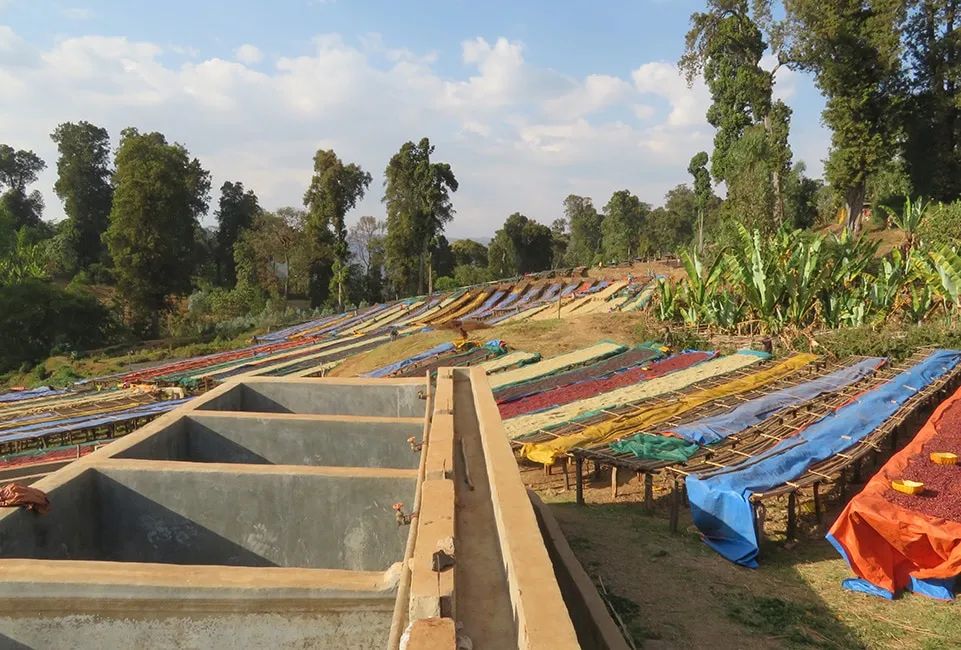
The turning point came in the 1970s when Yirgacheffe established the first washed coffee processing station in the Sidamo zone, introducing modern washed processing techniques and equipment from Latin America. This significantly improved coffee quality and allowed the bright citrus and lemon-like fruity notes to shine, complemented by elegant floral aromas and vibrant acidity—creating a uniquely refreshing taste. This development laid the foundation for Yirgacheffe’s flavor identity to stand apart from Sidamo, gradually gaining recognition in the global specialty market.
To promote the coffee industry, the Ethiopian government registered regional names such as "Yirgacheffe" as trademarks in 2004 and established the Ethiopian Commodity Exchange (ECX) in 2008 as a key trading platform. The ECX grades and categorizes coffee beans based on flavor and origin, enabling buyers to select products with specific flavor profiles according to their preferences.
Within the ECX system, the so-called "Yirgacheffe flavor" typically refers to coffee that exhibits pronounced citrus and lemon aromas, along with soft jasmine floral notes, bright acidity, a clean cup, and layered complexity. Due to these highly distinctive flavor traits, many describe it not as a traditional cup of coffee, but more like a refreshing fruit tea—both delicate and captivating, and especially favored by pour over enthusiasts.
According to ECX classification, in addition to the town of Yirgacheffe itself, surrounding areas such as Wenago to the north, Kochere to the south, and Gelena Abaya to the west can also be categorized as Yirgacheffe-flavor regions if their coffee meets specific flavor characteristics—among which Kochere is the most well-known.
Kochere is located approximately 25 kilometers southeast of Yirgacheffe and is one of the 77 Woredas (administrative districts) under the Southern Nations, Nationalities, and Peoples' Region (SNNPR). It is also one of the most representative micro-regions within the Yirgacheffe area. With a population of around 100,000 and coffee as its primary cash crop, the region also boasts relatively advanced processing facilities, contributing to the consistent quality of its washed coffee. Notably, Kochere’s washed coffee has earned an impressive 94-point rating from the internationally authoritative review site Coffee Review, serving as solid proof of the region’s quality.
The Kochere region can be further divided into multiple micro-zones. Some coffee beans may be named based on specific origins—such as particular villages (e.g., Chelelektu), processing mills (e.g., Alim or Dambi processing stations), or micro-terroirs (e.g., Banko Gutiti)—to provide more precise traceability. This approach aligns with the coffee industry’s growing emphasis on batch transparency and flavor consistency. Generally, the higher the traceability, the better the flavor stability and reproducibility, though this often comes with a higher price tag.
In terms of coffee varieties, Ethiopia, as the genetic home of coffee, cultivates a vast number of native coffee tree species that have not been commercially classified. Since most smallholder farmers do not deliberately separate varieties during planting—often intercropping with other crops—and do not perform single-variety sorting after harvest, all cherries are collected, processed together, and exported under the name "Heirloom (原生种)".
The term Heirloom (原生种) does not refer to a single variety, but rather encompasses a blend of hundreds of wild or semi-wild coffee varieties found across Ethiopia. In practice, each batch of Heirloom may consist of dozens or even hundreds of different varieties, which may vary in bean shape, size, density, and processing response—resulting in the rich and varied flavor expressions often observed in cuppings of Kochere coffee. This is also one of the reasons why Heirloom coffees often display unique fruity, floral, and tea-like notes, contributing to the captivating allure of both Yirgacheffe and Kochere flavors.
In summary, as one of the most representative micro-regions of Yirgacheffe, Kochere combines superior altitude conditions, refined washed processing techniques, and a diverse mix of native varieties to produce coffee with prominent fruity notes, bright acidity, and delicate layering. If you enjoy pour over coffee with a refreshing profile featuring distinct citrus and floral characteristics, Kochere washed beans are definitely worth trying—and make an excellent entry point for exploring the essence of Ethiopian coffee.
The above content is compiled by CoffeeHunters, a coffee news website.


